Understanding Depression Symptoms and When to Get Help
Depression is more than feeling sad or low for a few days. It is a serious mental health condition that affects how you think, feel, and function in daily life. According to the World Health Organization, depression is one of the leading causes of disability worldwide. Millions of people struggle with it every year, yet many delay seeking professional help because they believe they should handle it alone.
Feeling sad after a loss, failure, or stressful event is normal. However, clinical depression lasts longer and feels heavier. It can interfere with work, relationships, sleep, appetite, and overall health. Knowing when to seek professional help for depression can make a major difference in recovery and long term wellbeing.
What Are the Common Symptoms of Depression
Recognizing depression symptoms early is important. Some people experience emotional symptoms, while others notice physical changes first. Common signs of depression include persistent sadness, loss of interest in activities once enjoyed, constant fatigue, changes in sleep patterns, and changes in appetite or weight.
Many people also experience difficulty concentrating, feelings of guilt or worthlessness, irritability, and hopelessness about the future. Research published in leading psychiatric journals shows that depression affects brain chemicals like serotonin, dopamine, and norepinephrine. These chemicals influence mood, motivation, and energy levels. When they become imbalanced, it can lead to ongoing low mood and lack of interest in life.
If these symptoms last for more than two weeks and affect your daily functioning, it may be time to consider professional mental health support.
How Long Is Too Long to Feel Depressed
It is common to ask how long depression lasts before you should seek therapy or treatment. Mental health experts generally use the two week rule. If you feel low, empty, or emotionally numb most of the day, nearly every day, for at least two weeks, it could be major depressive disorder.
Temporary sadness usually improves with time or positive events. Clinical depression does not always improve on its own. In fact, untreated depression can last for months or even years. Studies show that early treatment leads to better outcomes, faster recovery, and a lower risk of relapse.
If your mood has not improved despite self care, talking to friends, or trying to stay active, it is wise to consult a psychologist or psychiatrist.
Warning Signs You Should Not Ignore
Some depression warning signs require immediate professional help. If you experience thoughts of self harm, suicide, or feel that life is not worth living, you should seek urgent mental health support. Suicidal thoughts are a medical emergency and should never be ignored.
Other serious signs include withdrawing completely from family and friends, being unable to get out of bed for days, severe anxiety along with depression, or using alcohol and drugs to cope with emotional pain. Research shows that depression combined with substance abuse increases the risk of severe health complications and suicidal behavior.
Physical symptoms such as unexplained body aches, headaches, digestive problems, and chronic fatigue can also be linked to depression. When emotional distress begins to show up in the body, it is a signal that professional evaluation is important.
When Depression Affects Work and Relationships
One of the clearest signs that you may need therapy for depression is when it starts affecting your ability to function. If you are unable to focus at work, missing deadlines, or frequently calling in sick due to emotional exhaustion, it may be time to speak with a mental health professional.
Depression also affects relationships. You may feel disconnected from your partner, family, or friends. You might lose interest in social activities or avoid conversations. Over time, this isolation can make depression worse. Therapy provides a safe space to talk openly about these struggles and learn healthy coping skills.
Scientific studies confirm that untreated depression can impact productivity, decision making, and interpersonal communication. Seeking help is not a sign of weakness but a responsible step toward protecting your personal and professional life.
Types of Mental Health Professionals for Depression Treatment
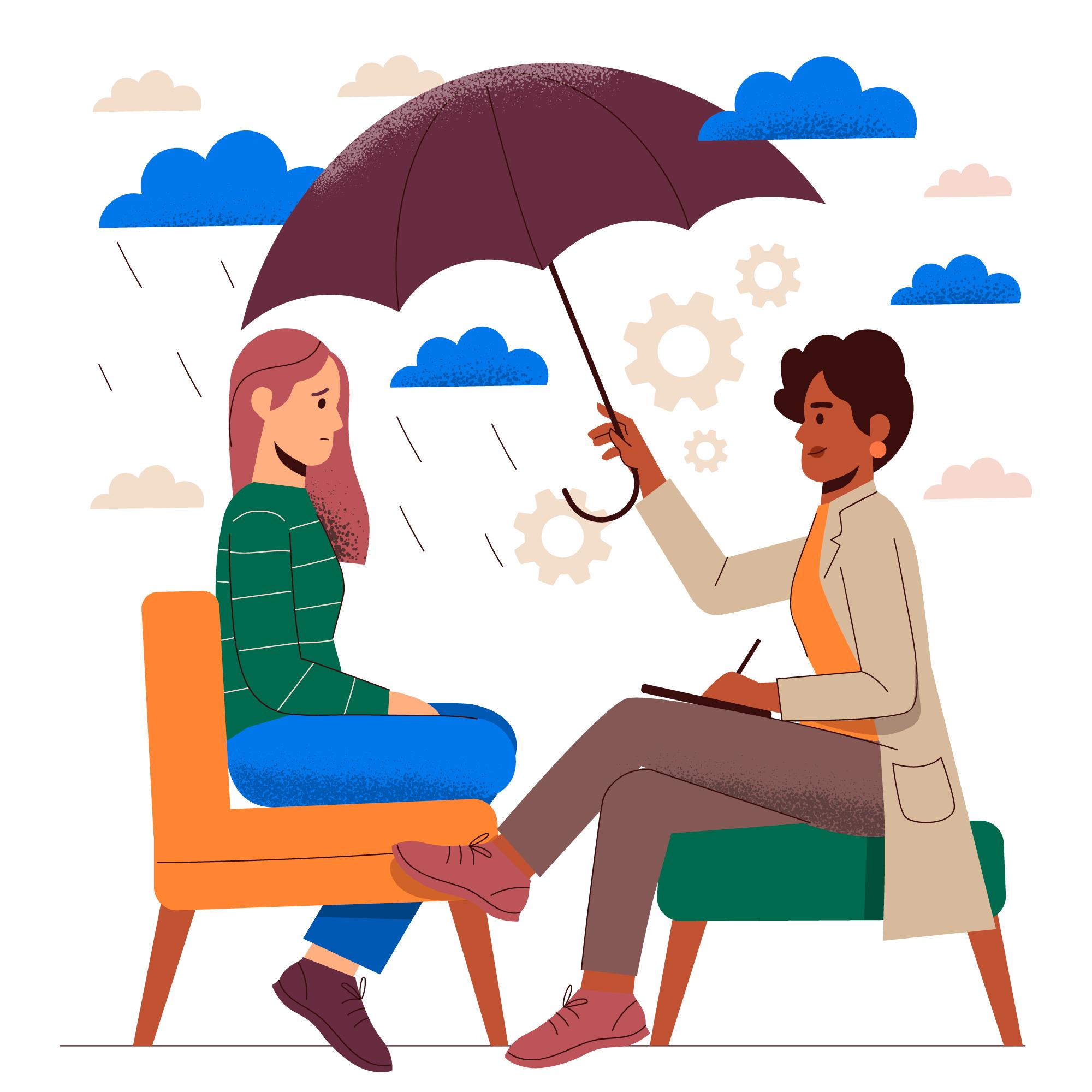
If you are unsure where to start, understanding the types of professionals available can help. A psychologist provides talk therapy and counseling. A psychiatrist is a medical doctor who can diagnose depression and prescribe medication if needed. Licensed counselors and clinical social workers also offer therapy for depression.
Cognitive behavioral therapy is one of the most researched and effective treatments for depression. It focuses on identifying negative thought patterns and replacing them with healthier ones. Studies show that cognitive behavioral therapy can be as effective as antidepressant medication for mild to moderate depression.
In more severe cases, a combination of therapy and medication often works best. Antidepressants help balance brain chemicals and reduce symptoms, allowing individuals to engage more effectively in therapy.
How Therapy Helps in Depression Recovery
Many people hesitate to seek therapy because they believe talking will not change anything. However, research consistently shows that psychotherapy reduces depression symptoms and lowers the risk of relapse. Therapy helps you understand triggers, improve emotional regulation, and build resilience.
During therapy sessions, you learn practical strategies to manage stress, challenge negative thinking, and improve problem solving skills. Over time, these tools strengthen mental health and prevent future episodes.
Professional help also provides validation. Depression often makes people feel misunderstood or alone. Having a trained professional listen without judgment can reduce feelings of isolation and shame.
When Self Care Is Not Enough
Self care practices such as exercise, healthy eating, meditation, and good sleep are helpful for mental health. Physical activity has been shown to increase endorphins and improve mood. However, self care alone may not be enough for moderate to severe depression.
If you have tried improving your lifestyle but still feel persistently low, unmotivated, or hopeless, professional treatment may be necessary. Depression is not simply a mindset problem. It is a medical condition influenced by genetics, brain chemistry, life events, and environmental stress.
Seeking help early prevents symptoms from becoming more severe. Just like you would see a doctor for a persistent fever, it is important to see a mental health professional for persistent emotional pain.
Depression in Teenagers and Adults
Depression can look different depending on age. Teenagers may show irritability, anger, declining academic performance, and social withdrawal rather than obvious sadness. Adults may experience work stress, relationship strain, and physical fatigue as primary signs.
Parents should seek professional help if a teenager talks about self harm, shows extreme mood changes, or isolates completely. Adults should seek help if depression interferes with daily responsibilities or leads to unhealthy coping behaviors.
Early intervention in both teenagers and adults significantly improves long term outcomes. Studies show that untreated depression in adolescence increases the risk of recurrent depression in adulthood.
The Importance of Early Treatment for Depression
Early treatment reduces the severity and duration of depressive episodes. Research from mental health institutes shows that people who receive treatment within the first few months of symptoms recover faster compared to those who delay seeking help.
Depression can affect the immune system, heart health, and overall physical wellbeing. Chronic stress from untreated depression increases inflammation in the body, which is linked to other health conditions. Seeking timely mental health care protects both mind and body.
There is no fixed timeline that applies to everyone. The key is to notice when your emotional state consistently interferes with daily life, relationships, or personal safety. That is the point where professional guidance becomes essential.
Breaking the Stigma Around Seeking Help
Many people avoid therapy because of stigma or fear of judgment. Mental health conditions are medical conditions, not personal failures. Just as diabetes requires medical care, depression often requires professional treatment.
Talking openly about mental health reduces stigma and encourages others to seek help. Education and awareness play a major role in improving mental health outcomes. The more we treat depression as a health issue rather than a weakness, the more lives we can improve.
Seeking help shows courage. It means you are willing to invest in your wellbeing and take responsibility for your mental health.
Frequently Asked Questions
How do I know if I need therapy for depression
If your symptoms last more than two weeks, affect daily functioning, or include thoughts of self harm, it is advisable to consult a mental health professional for evaluation and support.
Can depression go away without treatment
Mild cases may improve with lifestyle changes and social support, but moderate to severe depression often requires therapy, medication, or both for proper recovery.
What type of doctor should I see for depression
You can start with a psychologist for therapy or a psychiatrist if you think medication may be needed. A general physician can also guide you to the right specialist.
Is medication necessary for depression
Not always. Mild to moderate depression can often be treated with therapy alone. Severe depression may benefit from a combination of therapy and antidepressant medication.
When should I seek emergency help
If you have suicidal thoughts, plans to harm yourself, or feel unable to keep yourself safe, seek immediate emergency medical help or contact a crisis helpline.
Depression is treatable. Recognizing the signs and seeking professional help at the right time can lead to recovery, improved relationships, and a healthier life. If you or someone you know is struggling, reaching out for help can be the most important step toward healing.




Leave a Reply