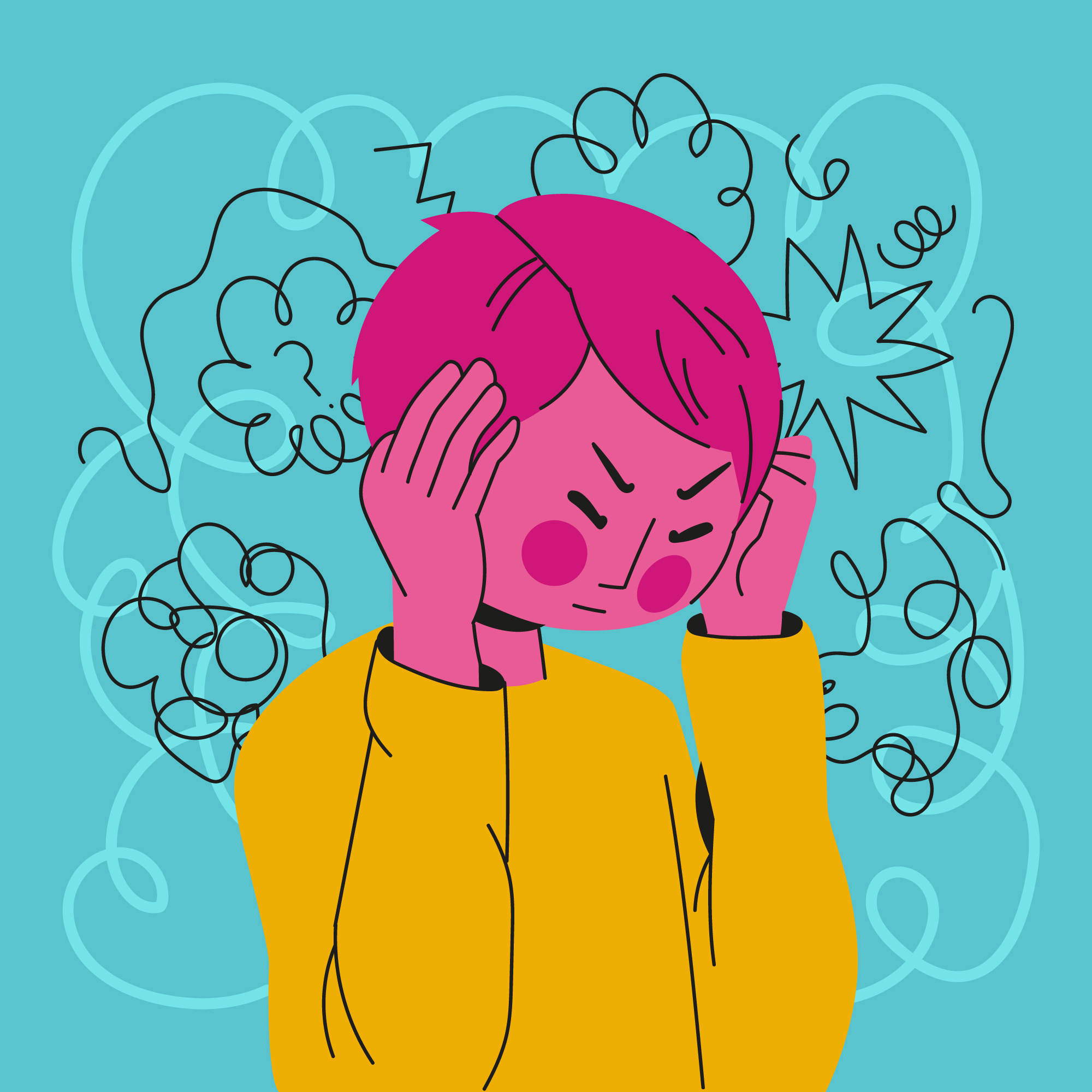
Generalized Anxiety Disorder, also known as GAD, is more than everyday stress or occasional worry. It is a long term mental health condition where a person feels excessive anxiety and constant fear about routine life events such as work, health, relationships, or finances. The worry feels uncontrollable and happens almost daily for at least six months. According to global mental health research, anxiety disorders are among the most common mental health conditions worldwide, affecting millions of adults each year. Understanding how GAD affects daily life can help people recognize symptoms early and seek the right support.
What Is Generalized Anxiety Disorder
Generalized Anxiety Disorder is a chronic anxiety disorder defined in clinical guidelines such as the Diagnostic and Statistical Manual of Mental Disorders. It involves persistent and excessive worry that is difficult to control. Unlike panic disorder, which includes sudden panic attacks, GAD is more about ongoing tension and mental overthinking. The anxiety is not limited to one specific trigger. It can move from one concern to another, making it exhausting for the mind and body.
Research shows that GAD is linked to changes in brain areas such as the amygdala, which processes fear, and the prefrontal cortex, which helps regulate emotions. Neurotransmitters like serotonin and gamma aminobutyric acid also play a role. When these systems are not balanced, the body stays in a constant alert mode.
Common Symptoms of Generalized Anxiety Disorder
The symptoms of Generalized Anxiety Disorder affect both mental and physical health. Mentally, a person may experience constant worrying, overthinking small situations, difficulty concentrating, and feeling restless. Many people describe it as a racing mind that does not switch off. Sleep problems are very common, including difficulty falling asleep or waking up with anxious thoughts.
Physical symptoms are equally important. These may include muscle tension, headaches, stomach problems, fatigue, sweating, trembling, and a fast heartbeat. Studies show that chronic anxiety increases stress hormones like cortisol, which can impact digestion, immunity, and heart health. Many individuals with GAD first visit a doctor for physical complaints before realizing anxiety is the root cause.
How Generalized Anxiety Disorder Affects Daily Life
Living with Generalized Anxiety Disorder can make everyday tasks feel overwhelming. Simple decisions such as replying to an email or attending a social gathering may trigger intense worry. People often imagine worst case scenarios even when there is no clear danger. This pattern of catastrophic thinking increases mental exhaustion.
Work productivity can suffer because anxiety reduces focus and increases self doubt. Research suggests that chronic anxiety can impair working memory and decision making. In relationships, constant reassurance seeking or irritability can create misunderstandings. Over time, this may lead to social withdrawal. Daily life becomes a cycle of worry, temporary relief, and new worries.
Causes and Risk Factors of GAD
There is no single cause of Generalized Anxiety Disorder. It develops due to a combination of biological, psychological, and environmental factors. Genetics plays a role, as anxiety disorders tend to run in families. Brain chemistry imbalances involving serotonin and norepinephrine are also linked to anxiety symptoms.
Life experiences matter as well. Trauma, loss of a loved one, long term stress, or childhood adversity can increase the risk. Personality traits such as being highly sensitive or perfectionistic may also contribute. Scientific studies show that chronic stress can change the brain’s stress response system, making a person more vulnerable to anxiety disorders.
Difference Between Normal Anxiety and Anxiety Disorder
Anxiety itself is not harmful. It is a natural response that helps us prepare for challenges. For example, feeling nervous before an exam or job interview is normal. The key difference lies in intensity, duration, and control. In Generalized Anxiety Disorder, the worry is excessive, lasts for months, and interferes with daily functioning.
If anxiety feels constant, difficult to manage, and affects sleep, work, or relationships, it may be more than temporary stress. Mental health professionals use structured assessments and criteria to diagnose GAD. Early diagnosis improves long term outcomes.
Treatment Options for Generalized Anxiety Disorder
The good news is that Generalized Anxiety Disorder is treatable. Evidence based treatments include psychotherapy, medication, or a combination of both. Cognitive Behavioral Therapy is one of the most effective therapies for anxiety disorders. It helps individuals identify negative thought patterns and replace them with balanced thinking. Research shows that CBT can significantly reduce anxiety symptoms within a few months.
Medications such as selective serotonin reuptake inhibitors and serotonin norepinephrine reuptake inhibitors are commonly prescribed. These medications help regulate brain chemicals involved in mood and anxiety. Doctors may also prescribe short term anti anxiety medications in specific cases. Treatment plans are personalized based on individual needs and medical history.
Natural Ways to Manage Anxiety Symptoms
Alongside professional treatment, lifestyle changes can support recovery. Regular physical activity reduces anxiety by releasing endorphins and lowering stress hormones. Studies show that moderate exercise such as brisk walking for thirty minutes a day can improve mood and reduce anxiety symptoms.
Sleep hygiene is equally important. Going to bed at the same time each night, reducing screen time before sleep, and avoiding caffeine late in the day can improve rest. Mindfulness meditation and deep breathing exercises calm the nervous system by activating the body’s relaxation response. Research from neuroscience studies confirms that consistent mindfulness practice can reduce activity in fear related brain circuits.
Nutrition also plays a role in mental health. A balanced diet rich in fruits, vegetables, whole grains, and omega three fatty acids supports brain function. Reducing excessive caffeine and sugar may help prevent anxiety spikes. Small daily habits create long term emotional stability.
The Role of Stress and Overthinking
Chronic stress fuels Generalized Anxiety Disorder. When the brain constantly scans for threats, it strengthens worry pathways. Overthinking becomes automatic. Psychologists explain this through cognitive distortions such as catastrophizing and mind reading. These patterns make neutral situations appear dangerous.
Breaking this cycle requires awareness. Writing down worries, setting a fixed worry time, and challenging negative thoughts can reduce mental load. Therapy teaches practical skills to manage intrusive thoughts. Over time, the brain learns that not every thought requires attention.
When to Seek Professional Help
Many people delay seeking help because they think anxiety is a personality trait. However, untreated Generalized Anxiety Disorder can increase the risk of depression, substance misuse, and physical health issues. If anxiety interferes with daily life for more than six months, professional support is recommended.
Mental health professionals such as psychiatrists, psychologists, and licensed therapists can provide structured treatment. Early intervention leads to better outcomes and prevents complications. Seeking help is a sign of strength and self awareness.
Living a Fulfilling Life with GAD
Although Generalized Anxiety Disorder is a chronic condition for some, many people manage it successfully with the right strategies. Building a support system, practicing self compassion, and staying consistent with therapy or medication can create stability. Recovery does not mean the absence of anxiety but learning to respond to it in healthier ways.
Long term studies show that with proper treatment, a large percentage of individuals experience significant symptom reduction. Mental health education and awareness reduce stigma and encourage open conversations. With time and support, it is possible to regain confidence and improve overall quality of life.
Frequently Asked Questions
Can Generalized Anxiety Disorder go away on its own
Mild anxiety may improve with lifestyle changes, but persistent symptoms usually require therapy or medication. Professional treatment increases the chances of long term recovery.
Is Generalized Anxiety Disorder a serious mental illness
It can significantly impact daily functioning, but it is treatable. Early diagnosis and proper management reduce complications.
How long does treatment for GAD take
Many people notice improvement within three to four months of therapy. Some may need longer treatment depending on severity and individual factors.
Can diet really affect anxiety levels
Yes. Research suggests that balanced nutrition supports brain health, while excessive caffeine and processed foods may increase anxiety symptoms.
What is the best therapy for anxiety disorders
Cognitive Behavioral Therapy is widely considered the most effective psychological treatment for Generalized Anxiety Disorder based on scientific evidence.
Understanding Generalized Anxiety Disorder is the first step toward healing. Awareness, education, and timely support can transform daily life from constant worry to balanced emotional wellbeing.

Leave a Reply