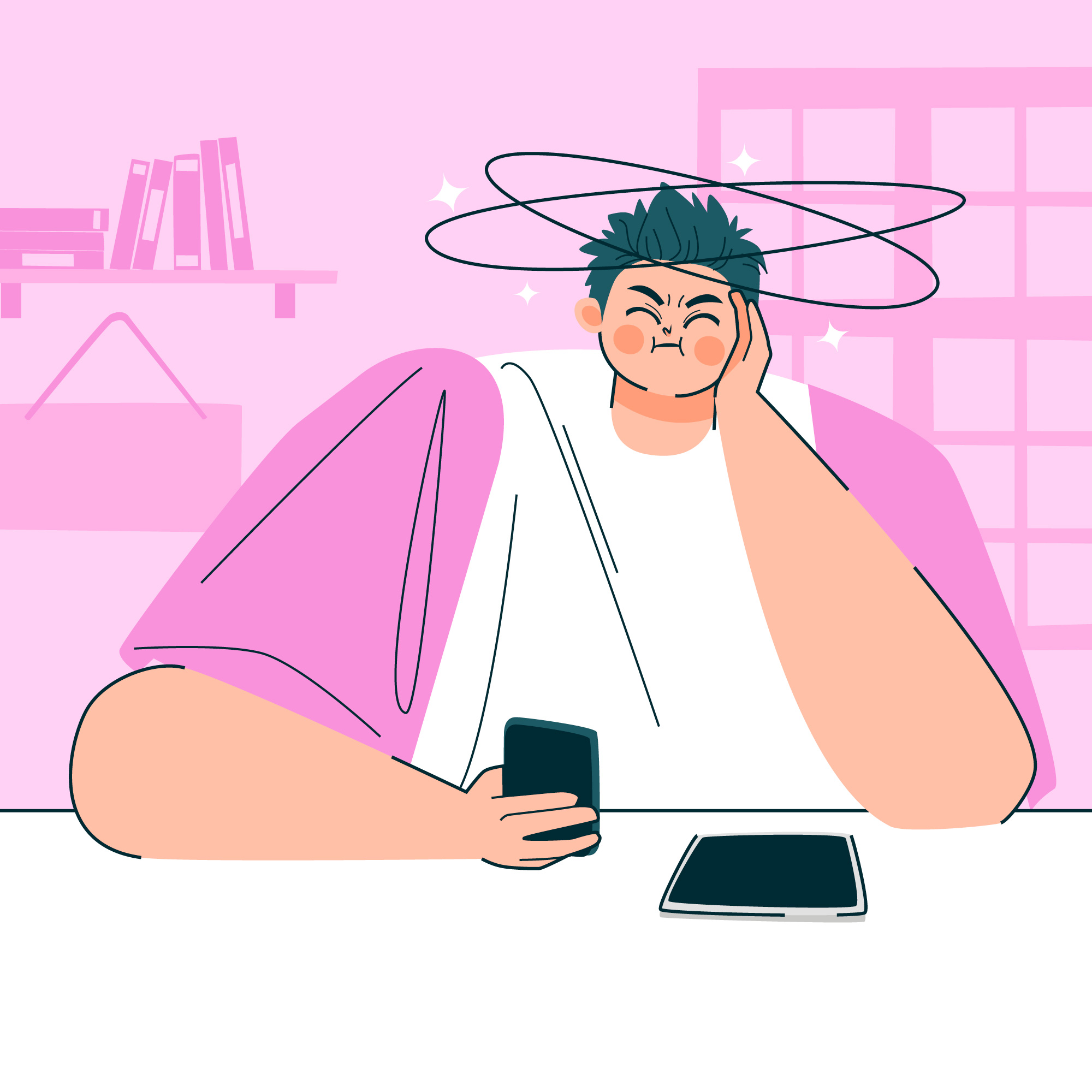
Smartphones have become a part of daily life, but many people now feel they cannot stay away from them. If you often check your phone without thinking, scroll endlessly, or feel restless without it, you are not alone. Phone addiction is a growing concern worldwide, and it is deeply connected to how our brain works, how apps are designed, and how modern lifestyles are structured.
What Is Phone Addiction and Why It Is Increasing
Phone addiction, also called smartphone addiction or screen addiction, is a behavioral pattern where a person feels a strong urge to use their phone constantly. It is not officially classified as a clinical disorder in all cases, but research shows that it shares similarities with other addictive behaviors.
The increase in phone addiction is linked to easy internet access, social media platforms, and apps that are designed to keep users engaged for as long as possible. According to multiple studies, people check their phones dozens to hundreds of times a day. This repeated behavior slowly turns into a habit and then into a dependency.
How Dopamine and Brain Chemistry Drive Phone Addiction
One of the biggest reasons behind phone addiction is dopamine. Dopamine is a chemical in the brain that is linked to pleasure, motivation, and reward. Every time you receive a notification, message, or like on social media, your brain releases a small amount of dopamine.
This creates a reward loop. You check your phone, you feel good, and your brain remembers that behavior. Over time, your brain starts craving that feeling again and again. This is the same mechanism involved in other addictive behaviors like gambling.
Research in neuroscience shows that unpredictable rewards are even more addictive. This means you do not always know when you will get a message or a like, which keeps you checking your phone repeatedly. This pattern is called variable reward system, and it is heavily used in app design.
Why Social Media Makes Phone Addiction Worse
Social media platforms are one of the biggest contributors to smartphone addiction. Apps are designed to keep users scrolling for as long as possible. Features like infinite scroll, autoplay videos, and notifications are not random. They are carefully created to capture attention.
Another reason is social validation. When people post something online and receive likes, comments, or shares, it creates a sense of approval. This can make people feel valued, but it can also make them dependent on external validation.
Studies have shown that excessive social media use can increase anxiety, stress, and even feelings of loneliness. This creates a cycle where people use their phones more to escape these feelings, which further strengthens the addiction.
The Role of Habit Formation in Screen Addiction
Phone addiction is not just about pleasure. It is also about habit. When you check your phone every morning after waking up or every night before sleeping, it becomes part of your routine.
The brain loves patterns. When a behavior is repeated in the same context, it becomes automatic. For example, if you feel bored and immediately reach for your phone, your brain links boredom with phone usage.
Over time, this becomes a habit loop. Trigger, action, reward. The trigger could be boredom, stress, or even a notification sound. The action is checking your phone, and the reward is the content or interaction you receive.
How Notifications and Apps Are Designed to Keep You Hooked
Many apps use psychological techniques to keep users engaged. Notifications are one of the strongest tools. Even a simple vibration or sound can trigger curiosity and make you check your phone instantly.
App developers use bright colors, badges, and alerts to grab attention. Red notification icons are commonly used because they create urgency. These small design choices play a big role in keeping users engaged.
Another factor is personalization. Algorithms show content that matches your interests, making it harder to stop scrolling. The more relevant the content, the longer you stay on the app.
Effects of Phone Addiction on Mental Health
Excessive phone use can have a strong impact on mental health. Studies have linked high screen time with increased levels of anxiety, depression, and stress. Constant comparison on social media can lower self esteem and create unrealistic expectations.
Sleep is also affected. Using phones before bedtime exposes the brain to blue light, which reduces melatonin production. This makes it harder to fall asleep and can disturb sleep cycles.
Attention span is another concern. Constant switching between apps and notifications reduces the ability to focus deeply. This can affect productivity, learning, and overall cognitive performance.
Physical Effects of Excessive Screen Time
Phone addiction does not just affect the mind. It also impacts the body. Long hours of phone use can cause eye strain, headaches, and neck pain, often called text neck.
Poor posture while using phones can lead to long term issues in the spine and shoulders. Reduced physical activity due to excessive screen time can also contribute to weight gain and lower overall fitness.
These physical effects may seem small at first, but they can build up over time and affect overall health.
Why It Is Hard to Reduce Phone Usage
Many people try to reduce screen time but struggle to succeed. This is because phone addiction is not just about willpower. It is deeply connected to brain chemistry, habits, and environmental triggers.
Phones are always within reach, making it easy to fall back into old patterns. Social and work expectations also play a role. Many people feel the need to stay connected all the time, which increases dependency.
Fear of missing out is another strong factor. People worry about missing updates, messages, or important information, which makes them check their phones frequently.
Practical Ways to Reduce Phone Addiction and Screen Time
Reducing phone addiction requires small but consistent changes. One effective method is setting screen time limits. Many smartphones now have built in features that track and limit usage.
Turning off non essential notifications can also help. This reduces unnecessary triggers and makes it easier to stay focused. Keeping the phone away during meals or before bedtime can improve both mental and physical health.
Creating phone free zones is another useful strategy. For example, avoiding phone use in the bedroom or during study time can help break habit loops.
Replacing screen time with other activities like reading, exercise, or hobbies can also make a big difference. The goal is not to completely avoid phones but to use them more mindfully.
How Parents and Students Can Manage Smartphone Addiction
For students, phone addiction can affect studies and concentration. Setting specific times for phone use and keeping devices away during study sessions can improve focus.
Parents can help by setting clear boundaries and leading by example. Children often copy behavior, so mindful phone usage by parents can encourage healthier habits.
Open communication about screen time and its effects can also help children understand the importance of balance.
The Future of Technology and Digital Wellbeing
Technology is not the problem. The way it is used makes the difference. Many companies are now focusing on digital wellbeing features like screen time tracking, focus modes, and app limits.
There is also growing awareness about mindful technology use. Schools, workplaces, and individuals are starting to recognize the importance of balancing online and offline life.
Understanding how phone addiction works is the first step towards managing it. When people become aware of these patterns, they can take control of their habits instead of being controlled by them.
Conclusion
Phone addiction is a combination of brain chemistry, habit formation, and app design. It is not just about lack of control but about how technology interacts with human psychology. By understanding why we get addicted to phones, it becomes easier to make conscious choices and build healthier digital habits.
FAQs
What causes phone addiction
It is mainly caused by dopamine release, habit formation, and app designs that encourage constant engagement.
How many hours of phone use is considered addiction
There is no fixed number, but excessive use that affects sleep, work, or relationships can be a sign.
Can phone addiction affect mental health
Yes, it can increase anxiety, stress, and reduce attention span.
How can I reduce screen time easily
Start by turning off notifications, setting app limits, and creating phone free times in your day.
Is phone addiction common among students
Yes, especially due to social media and online content, which can affect focus and academic performance.





Leave a Reply