What Is Overthinking and Why Does It Happen?
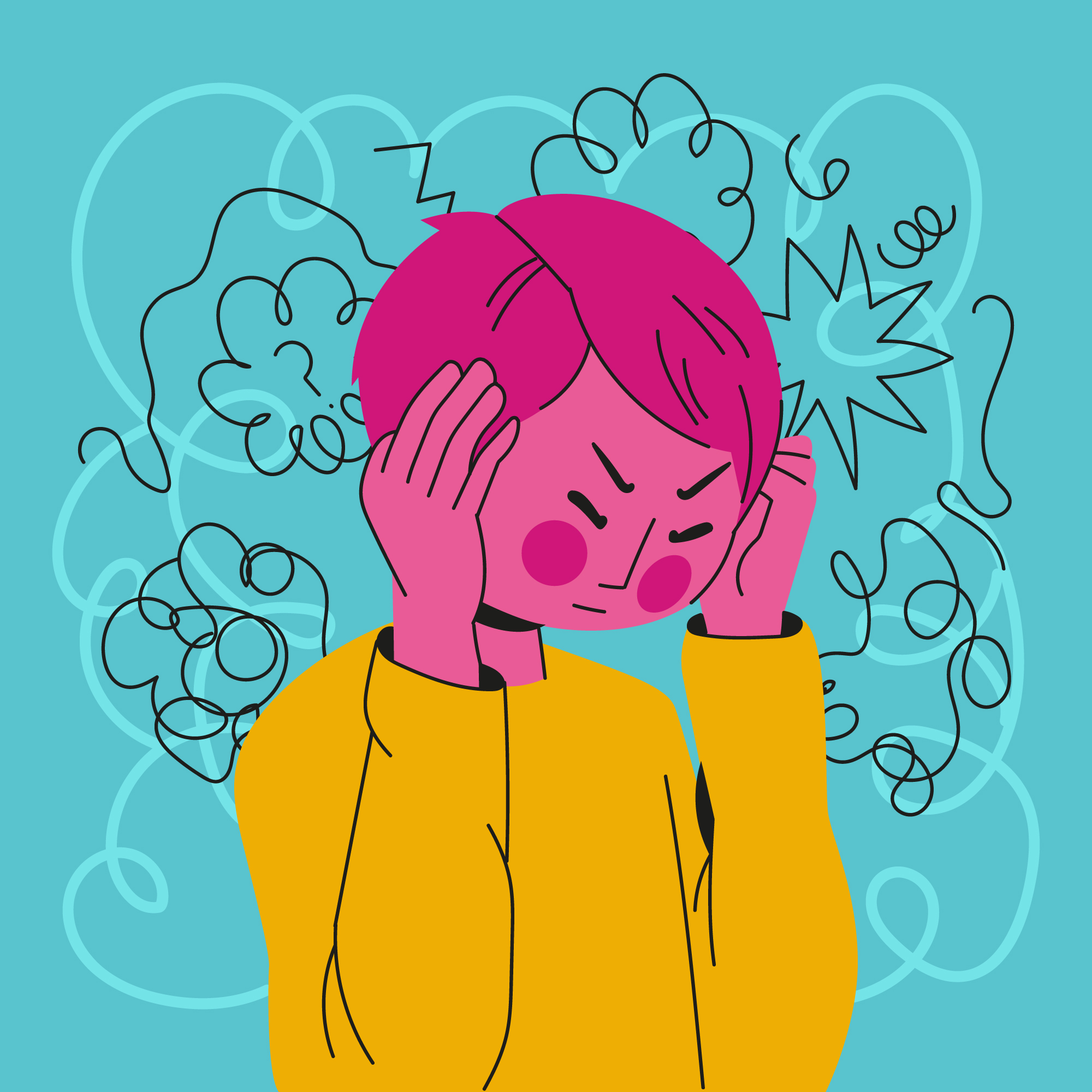
Overthinking, also known as excessive thinking or rumination, is when your mind keeps repeating the same thoughts again and again. It often feels like your brain refuses to switch off. You may replay past events, worry about the future, or analyze small situations too deeply. This habit is very common and is closely linked to anxiety, stress, and mental fatigue.
From a scientific point of view, overthinking is connected to how the brain processes information. The prefrontal cortex, which is responsible for decision making and planning, becomes overactive. At the same time, the amygdala, the part of the brain linked to fear and emotions, keeps sending signals that something might go wrong. This creates a loop where thoughts keep repeating without resolution.
The Psychology of Overthinking and Mental Loops
One of the main reasons we cannot stop thinking is because the brain is designed to solve problems. When it senses uncertainty or danger, it keeps working until it finds an answer. However, not all problems have clear solutions. This is where overthinking begins.
Psychologists call this “rumination,” where the mind keeps going over the same thoughts without reaching a conclusion. Research shows that people who overthink are more likely to experience anxiety disorders and depression. The brain gets stuck in a loop because it believes thinking more will bring clarity, but instead it increases confusion and stress.
Why Your Brain Doesn’t Switch Off
Many people wonder why they cannot stop thinking even when they want to relax. The answer lies in how the brain functions during rest. When you are not actively doing anything, your brain enters what is called the “default mode network.” This network becomes active during daydreaming, self reflection, and thinking about the past or future.
Studies have found that this default mode network is highly active in people who overthink. This means that even when your body is resting, your brain is still busy processing thoughts. This is why you may find yourself overthinking at night or during quiet moments.
Overthinking and Anxiety Connection
Overthinking and anxiety are deeply connected. When you feel anxious, your brain tries to predict every possible outcome to protect you. This leads to constant worrying and imagining worst case scenarios.
Scientific research shows that anxiety increases activity in the amygdala, which triggers fear responses. This makes your thoughts more intense and harder to control. Over time, this creates a habit where your mind automatically goes into overthinking mode even when there is no real threat.
Common Triggers of Overthinking
Overthinking does not happen randomly. It is usually triggered by specific situations or emotions. Stress is one of the biggest triggers. When you feel overwhelmed, your brain tries to process everything at once, leading to mental overload.
Another common trigger is uncertainty. When you do not have clear answers, your brain keeps searching for them. Social situations can also lead to overthinking, especially when you replay conversations and worry about what others think of you.
Perfectionism is another factor. People who want everything to be perfect tend to analyze every detail, which increases overthinking. This can lead to decision paralysis, where you struggle to make even simple choices.
The Role of Negative Thinking Patterns
Overthinking is often fueled by negative thinking patterns. These include assuming the worst, overanalyzing small problems, and focusing on mistakes. Cognitive distortions like “what if thinking” and “catastrophizing” make situations seem bigger than they actually are.
Research in cognitive behavioral therapy shows that these patterns can become automatic over time. The more you engage in negative thinking, the stronger these mental pathways become. This is why overthinking can feel like a habit that is hard to break.
How Overthinking Affects Mental Health
Overthinking does not just stay in your mind. It affects your overall mental health and daily life. It can lead to increased stress, poor sleep, and reduced concentration. People who overthink often feel mentally exhausted even without doing physical work.
Long term overthinking is linked to anxiety disorders, depression, and burnout. It also affects decision making. When you think too much, you may struggle to take action, which can impact your personal and professional life.
Studies have shown that overthinking reduces problem solving ability because it keeps you stuck in analysis instead of moving toward solutions. This creates frustration and lowers confidence.
Why Overthinking Feels Addictive
It may sound surprising, but overthinking can feel addictive. This is because your brain believes it is being productive by thinking more. Each time you analyze a situation, your brain releases small amounts of dopamine, which makes you feel like you are doing something useful.
However, this is a false sense of productivity. Instead of solving problems, overthinking keeps you stuck. The brain gets used to this cycle, making it harder to stop.
How to Stop Overthinking Naturally
The good news is that overthinking can be managed with simple techniques. The first step is awareness. Once you recognize that you are overthinking, you can start to interrupt the pattern.
Mindfulness is one of the most effective methods. It helps you focus on the present moment instead of getting lost in thoughts. Research shows that mindfulness reduces activity in the default mode network, which helps calm the mind.
Another effective method is setting time limits for thinking. Give yourself a few minutes to think about a problem and then take action. This prevents your brain from getting stuck in endless loops.
Physical activity also helps. Exercise reduces stress hormones and increases mood boosting chemicals, which helps clear your mind. Even a short walk can make a difference.
Practical Tips to Control Overthinking
One simple technique is writing down your thoughts. This helps you organize them and reduces mental clutter. When your thoughts are on paper, they feel more manageable.
Another helpful strategy is focusing on solutions instead of problems. Ask yourself what action you can take instead of analyzing why something happened.
Limiting information overload is also important. Too much information can confuse your brain and increase overthinking. Try to focus only on what is necessary.
Deep breathing and relaxation techniques can calm your nervous system. When your body is relaxed, your mind also becomes calmer.
When to Seek Help for Overthinking
Sometimes overthinking becomes too intense to manage on your own. If it starts affecting your sleep, work, or relationships, it may be helpful to seek professional support.
Therapies like cognitive behavioral therapy are highly effective in treating overthinking and anxiety. They help you identify negative thought patterns and replace them with healthier ones.
Final Thoughts on Why We Can’t Stop Thinking
The human brain is designed to think, analyze, and solve problems. This is what makes us intelligent and capable. However, when this natural process becomes excessive, it turns into overthinking.
Understanding the science behind overthinking can help you take control of your thoughts. With the right techniques and awareness, you can train your mind to focus on what truly matters instead of getting stuck in endless loops.
FAQs on Overthinking and Mental Health
What causes overthinking?
Overthinking is caused by stress, anxiety, uncertainty, and negative thinking patterns. It is the brain’s way of trying to solve problems but getting stuck in a loop.
Is overthinking a mental disorder?
Overthinking itself is not a disorder, but it is linked to conditions like anxiety and depression if it becomes excessive.
How do I stop overthinking at night?
Practicing mindfulness, deep breathing, and limiting screen time before bed can help calm your mind and reduce nighttime overthinking.
Can overthinking affect health?
Yes, it can lead to stress, poor sleep, low focus, and mental exhaustion, which affects overall well being.
How long does it take to stop overthinking?
It depends on the individual, but with consistent practice of mindfulness and healthy habits, improvement can be seen in a few weeks.




Leave a Reply