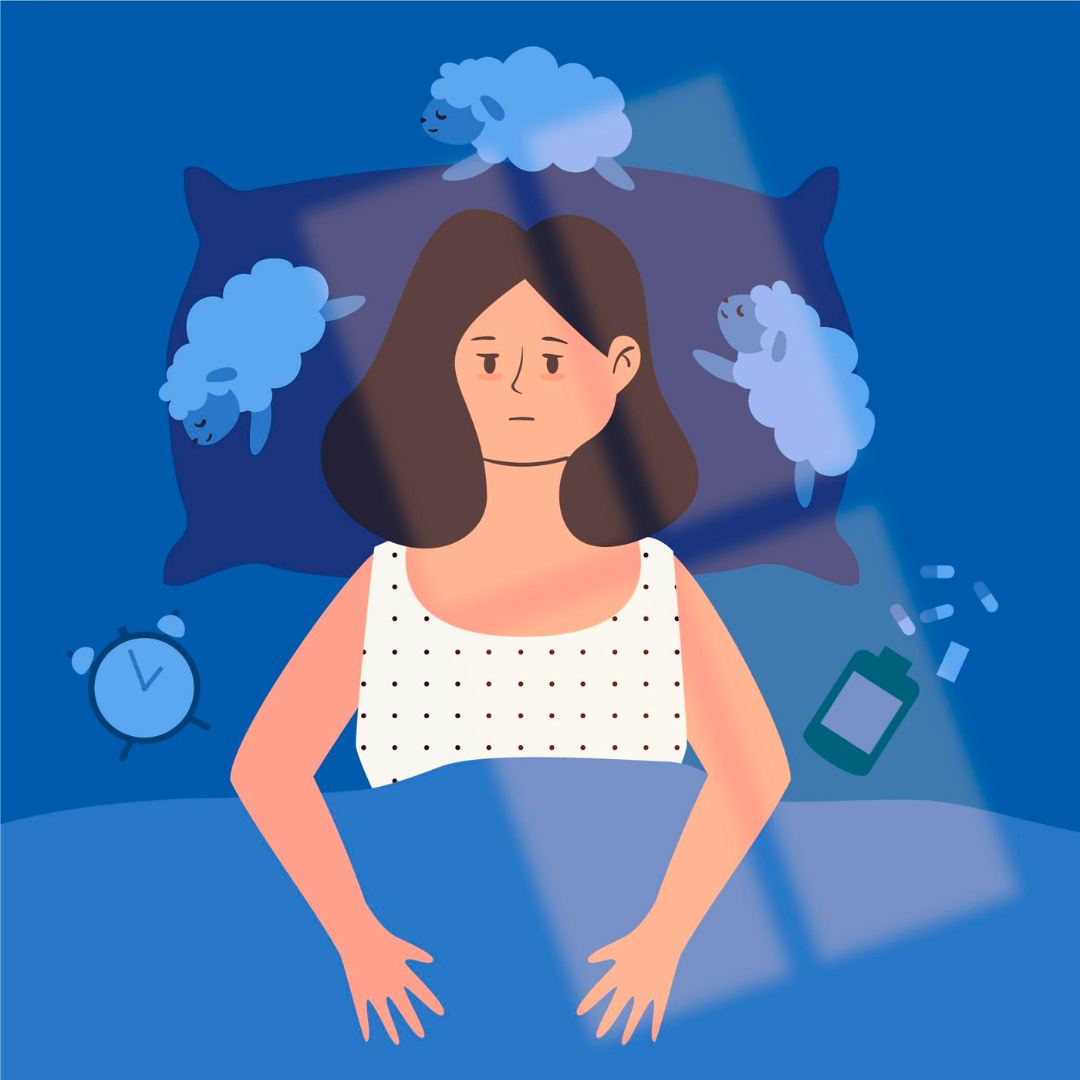
Sleep is not just rest. It is one of the most important processes that keeps your brain calm, balanced, and emotionally strong. When sleep is disturbed or reduced, the brain struggles to control fear, worry, and stress. This is why lack of sleep increases anxiety like symptoms even in people who never had anxiety before.
Many people today sleep less due to mobile phones, work pressure, stress, and late night habits. What they do not realize is that poor sleep slowly pushes the brain into a constant alert mode. Over time, this creates symptoms that feel exactly like anxiety.
Let us understand how this happens, what science says, and why sleep is deeply connected to mental health.
Why Sleep Is Important for Mental Health
Sleep is the time when your brain resets itself. During sleep, the brain processes emotions, calms stress responses, and repairs neural connections. This helps you wake up feeling mentally fresh and emotionally stable.
Research shows that sleep supports emotional regulation, decision making, memory, and stress control. When sleep is reduced, the brain does not get enough time to calm emotional reactions. As a result, small worries start feeling overwhelming.
Mental health experts agree that sleep and anxiety are closely linked. Poor sleep does not just worsen anxiety. It can actually create anxiety like symptoms on its own.
How Lack of Sleep Triggers Anxiety Like Symptoms
When you do not sleep enough, your brain stays in survival mode. This means your body acts as if there is a threat even when there is none.
Sleep deprivation increases activity in the amygdala. This is the part of the brain responsible for fear and emotional reactions. At the same time, the prefrontal cortex becomes weaker. This area normally helps you think logically and calm yourself.
Because of this imbalance, emotions become intense and hard to control. You may notice racing thoughts, constant worry, restlessness, and fear without a clear reason. These are classic anxiety like symptoms caused by lack of sleep.
What Science Says About Sleep and Anxiety
Several studies have shown a strong connection between sleep deprivation and anxiety.
Brain imaging studies reveal that even one night of poor sleep increases fear responses in the brain. Another study found that people who slept less than six hours regularly had much higher anxiety levels than those who slept seven to eight hours.
Researchers have also found that improving sleep quality can reduce anxiety symptoms without medication in many cases. This proves that sleep is not just related to anxiety. It plays a direct role in controlling it.
Scientists explain that sleep helps regulate stress hormones like cortisol. When sleep is disturbed, cortisol levels remain high. This keeps the body tense and alert, leading to anxiety symptoms.
Common Anxiety Like Symptoms Caused by Poor Sleep
Lack of sleep does not always cause full anxiety disorder. But it often creates symptoms that feel exactly like anxiety.
Some common anxiety like symptoms include constant overthinking, feeling on edge, rapid heartbeat, chest tightness, shortness of breath, irritability, difficulty focusing, and fear without a clear cause.
Many people mistake these symptoms as a mental weakness or personality issue. In reality, the root cause is often chronic sleep deprivation.
Why Even One Night of Poor Sleep Affects Emotions
You do not need weeks of sleep loss to feel anxious. Even one bad night can change how your brain reacts the next day.
After poor sleep, the brain struggles to filter emotional information. Negative thoughts become louder. Small problems feel big. Social situations feel uncomfortable. Confidence drops.
This happens because sleep helps the brain reset emotional memory. Without this reset, emotional reactions stay intense and unprocessed.
That is why people often feel more anxious, sensitive, or emotionally unstable after a sleepless night.
Sleep Deprivation and Panic Like Feelings
Many people experience panic like symptoms after prolonged sleep loss. These symptoms include sudden fear, sweating, dizziness, heart palpitations, and a feeling of losing control.
Sleep deprivation overstimulates the nervous system. The body releases stress hormones as if it is facing danger. This creates physical sensations similar to panic attacks.
The person may think something is seriously wrong, which increases fear further. This creates a vicious cycle where poor sleep causes anxiety and anxiety makes sleep worse.
How Chronic Poor Sleep Creates Long Term Anxiety Risk
Occasional sleep loss is common. But chronic poor sleep is dangerous for mental health.
When the brain stays in stress mode for a long time, anxiety pathways become stronger. The brain learns to stay alert even when there is no threat.
Over time, this can increase the risk of developing anxiety disorders. Studies show that insomnia often appears before anxiety disorders, not after.
This means sleep problems are not just a symptom. They are often an early warning sign.
Why the Brain Cannot Calm Itself Without Sleep
Sleep allows the brain to process emotional experiences safely. During deep sleep, the brain reduces emotional charge from stressful memories.
Without enough sleep, emotional memories remain raw and intense. This makes people more reactive to stress and fear.
The brain also uses sleep to balance neurotransmitters like serotonin and dopamine. These chemicals play a major role in mood stability and anxiety control.
Poor sleep disrupts this balance, making anxiety symptoms more likely.
The Connection Between Sleep, Stress, and Anxiety
Stress, sleep, and anxiety are deeply connected.
Stress makes it hard to sleep. Poor sleep increases stress sensitivity. Increased stress leads to anxiety symptoms.
This cycle continues unless sleep improves.
Research shows that improving sleep quality reduces stress response and lowers anxiety levels. This is why sleep is often the first focus in anxiety treatment plans.
Why Anxiety Feels Worse at Night
Many people notice that anxiety increases at night. This is partly because lack of sleep increases emotional vulnerability.
At night, distractions reduce. The brain starts replaying worries. If sleep is already disturbed, the mind struggles to relax.
Sleep deprivation also increases sensitivity to internal sensations like heartbeat and breathing. This can make anxiety feel stronger during bedtime.
Improving Sleep Can Reduce Anxiety Symptoms
The good news is that anxiety like symptoms caused by sleep deprivation are often reversible.
Improving sleep quality helps calm the nervous system. It strengthens emotional control and reduces fear response in the brain.
Studies show that people who improve sleep duration and consistency experience reduced anxiety symptoms within weeks.
This proves that sleep is not optional for mental health. It is essential.
Final Thoughts on Sleep and Anxiety
Lack of sleep increases anxiety like symptoms because sleep is the brain’s emotional reset button. Without it, the brain stays alert, fearful, and overwhelmed.
Anxiety caused by poor sleep is not imaginary. It is a real biological response. Understanding this connection helps remove self blame and encourages better sleep habits.
If anxiety symptoms appear suddenly, checking sleep quality is one of the most important first steps.
Good sleep is not a luxury. It is mental health protection.


Leave a Reply