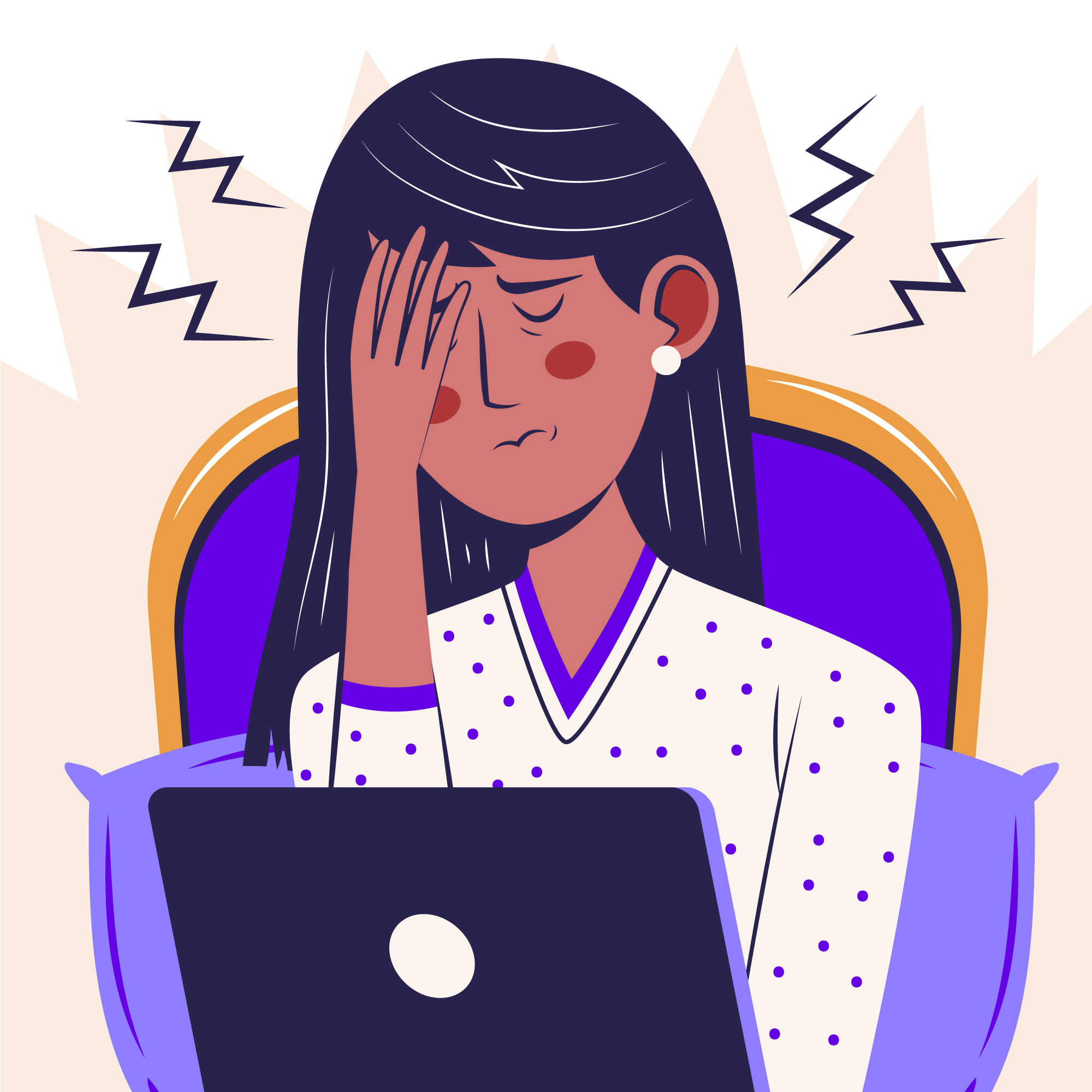
Understanding Anxiety, Overthinking, and Fear of the Future
Anxiety is not just feeling worried or stressed for no reason. Anxiety is a future oriented fear response. It is the brain’s way of preparing you for something that has not happened yet but feels threatening. When your mind keeps imagining negative outcomes, danger, failure, rejection, or loss, anxiety begins to grow. This is why anxiety is closely linked to overthinking, fear of the future, and constant “what if” thoughts. Your body reacts as if the future danger is real, even when it exists only in your imagination.
From a mental health perspective, anxiety is very common and very human. It evolved as a survival mechanism. Thousands of years ago, worrying about future threats helped humans stay alive. But in modern life, this same system often works overtime. Instead of protecting us from real danger, it reacts to deadlines, social situations, career pressure, relationships, health fears, and uncertainty. The brain struggles to tell the difference between real danger and imagined future problems.
Why Anxiety Is Always About What Might Happen
One important thing to understand about anxiety is that it lives in the future. Depression is often linked to the past, such as regret, loss, or guilt. Anxiety, on the other hand, is focused on what could go wrong next. When you feel anxious, your mind is not responding to what is happening right now. It is reacting to a prediction. These predictions usually involve fear, uncertainty, or lack of control.
The brain constantly tries to predict outcomes to keep you safe. But when this prediction system becomes too sensitive, it starts seeing danger everywhere. This leads to racing thoughts, restlessness, tightness in the chest, fast heartbeat, stomach discomfort, and difficulty concentrating. These symptoms are not random. They are part of the body’s fight or flight response, activated by a future oriented fear signal.
The Science Behind Anxiety and the Brain
From a neuroscience point of view, anxiety involves specific parts of the brain. The amygdala plays a major role. It is responsible for detecting threats. When the amygdala senses possible danger, it sends signals to the body to prepare for action. The problem is that the amygdala does not care whether the threat is real or imagined. If your thoughts convince it that danger is coming, it reacts instantly.
The prefrontal cortex, which handles logic and decision making, often gets overridden during anxiety. This is why anxious thoughts feel uncontrollable. You may know logically that everything is fine, but your body still feels unsafe. Research shows that during anxiety, emotional brain regions become more active while rational thinking areas become less effective. This explains why reassurance alone does not always stop anxiety.
Anxiety and the Fear of Uncertainty
Uncertainty is one of the biggest triggers of anxiety. The human brain prefers certainty, even if the certainty is negative. Not knowing what will happen makes the brain uncomfortable. Anxiety fills this gap by creating worst case scenarios. These scenarios feel like preparation, but in reality, they increase fear and mental exhaustion.
Studies in psychology show that people with high anxiety tend to overestimate danger and underestimate their ability to cope. This creates a loop. The more uncertain the future feels, the more anxious thoughts appear. The more anxious thoughts appear, the more threatening the future feels. This loop can continue for months or even years if not addressed.
How Anxiety Shows Up in Daily Life
Anxiety does not always look dramatic. Many people live with high functioning anxiety. They go to work, study, take care of others, and appear fine from the outside. Inside, their mind is constantly busy predicting problems. They may worry about making mistakes, disappointing others, losing control, or failing in the future.
Common signs include constant overthinking, difficulty relaxing, trouble sleeping, irritability, muscle tension, and avoidance of situations that feel uncertain. Avoidance gives temporary relief but strengthens anxiety in the long term. When you avoid feared situations, the brain learns that avoidance equals safety, and the fear response becomes stronger next time.
Anxiety Disorders and Mental Health Impact
When future oriented fear becomes intense and persistent, it can develop into anxiety disorders. Generalized anxiety disorder, panic disorder, social anxiety, and health anxiety all involve excessive fear about future events. These conditions can interfere with relationships, work, physical health, and overall quality of life.
Research shows that chronic anxiety keeps the nervous system in a constant state of alert. This increases stress hormones like cortisol. Over time, high cortisol levels affect sleep, immunity, digestion, memory, and emotional regulation. This is why untreated anxiety is not just a mental health issue but also a physical health concern.
Why Your Body Reacts Before Your Mind Understands
An important reason anxiety feels overwhelming is because the body reacts faster than conscious thought. The nervous system is designed for speed. When it senses threat, it activates within milliseconds. This is helpful in real danger but problematic when the threat is imagined.
You may feel anxious before you even know why. Later, the mind creates explanations to justify the feeling. This can lead to self blame and confusion. Understanding that anxiety is a biological response to perceived future threat helps reduce shame. Anxiety is not weakness. It is a misfiring safety system.
The Role of Thoughts in Future Oriented Fear
Thoughts play a powerful role in anxiety. Catastrophic thinking, black and white thinking, and constant mental replay of future scenarios feed the fear response. The brain treats repeated thoughts as important information. The more you think about a feared future, the more real it feels to the nervous system.
This is why reassurance seeking, excessive planning, and mental checking often increase anxiety instead of reducing it. These behaviors tell the brain that danger is present and must be monitored. Learning to change your relationship with thoughts is a key part of anxiety management.
How Anxiety Affects Focus, Memory, and Decision Making
Anxiety consumes mental energy. When your brain is busy scanning the future for danger, it has less capacity for focus and creativity. Many people with anxiety report brain fog, forgetfulness, and difficulty making decisions. This is not because they are incapable, but because their mental resources are tied up in survival mode.
Scientific studies show that anxiety reduces working memory and impairs learning. This can affect academic performance, job efficiency, and confidence. Understanding this connection helps explain why anxious people often feel tired even without physical exertion.
Can Anxiety Be Managed and Reduced
The good news is that anxiety is highly treatable. Because it is a learned response, it can be unlearned. Therapy approaches like cognitive behavioral therapy, mindfulness based interventions, and exposure techniques are supported by strong scientific evidence. These methods help retrain the brain to respond differently to future uncertainty.
Lifestyle factors also matter. Regular sleep, physical activity, balanced nutrition, and reduced caffeine intake support nervous system regulation. Slow breathing and grounding exercises send safety signals to the brain. Over time, these practices reduce baseline anxiety and increase emotional resilience.
Living With Uncertainty Without Fear
The goal of anxiety management is not to eliminate fear completely. Fear is a natural emotion. The goal is to change how you respond to uncertainty. Learning to stay present, tolerate discomfort, and trust your ability to cope reduces the power of future oriented fear.
Mental health improves when you stop trying to control every possible outcome and start focusing on what you can control right now. Anxiety loses strength when the present moment feels safe. With awareness, support, and practice, it is possible to live a full life even with uncertainty.
Final Thoughts on Anxiety and Mental Health
Anxiety is a future oriented fear response rooted in biology, psychology, and survival instincts. It is not a personal failure or character flaw. Understanding how anxiety works helps reduce fear of the fear itself. When you learn that your brain is trying to protect you, even when it overreacts, compassion replaces self judgment.
Mental health awareness is essential in a world filled with uncertainty. By learning about anxiety, sharing accurate information, and seeking support when needed, we can reduce stigma and improve emotional well being. The future will always be uncertain, but fear does not have to control how you live today.





Leave a Reply