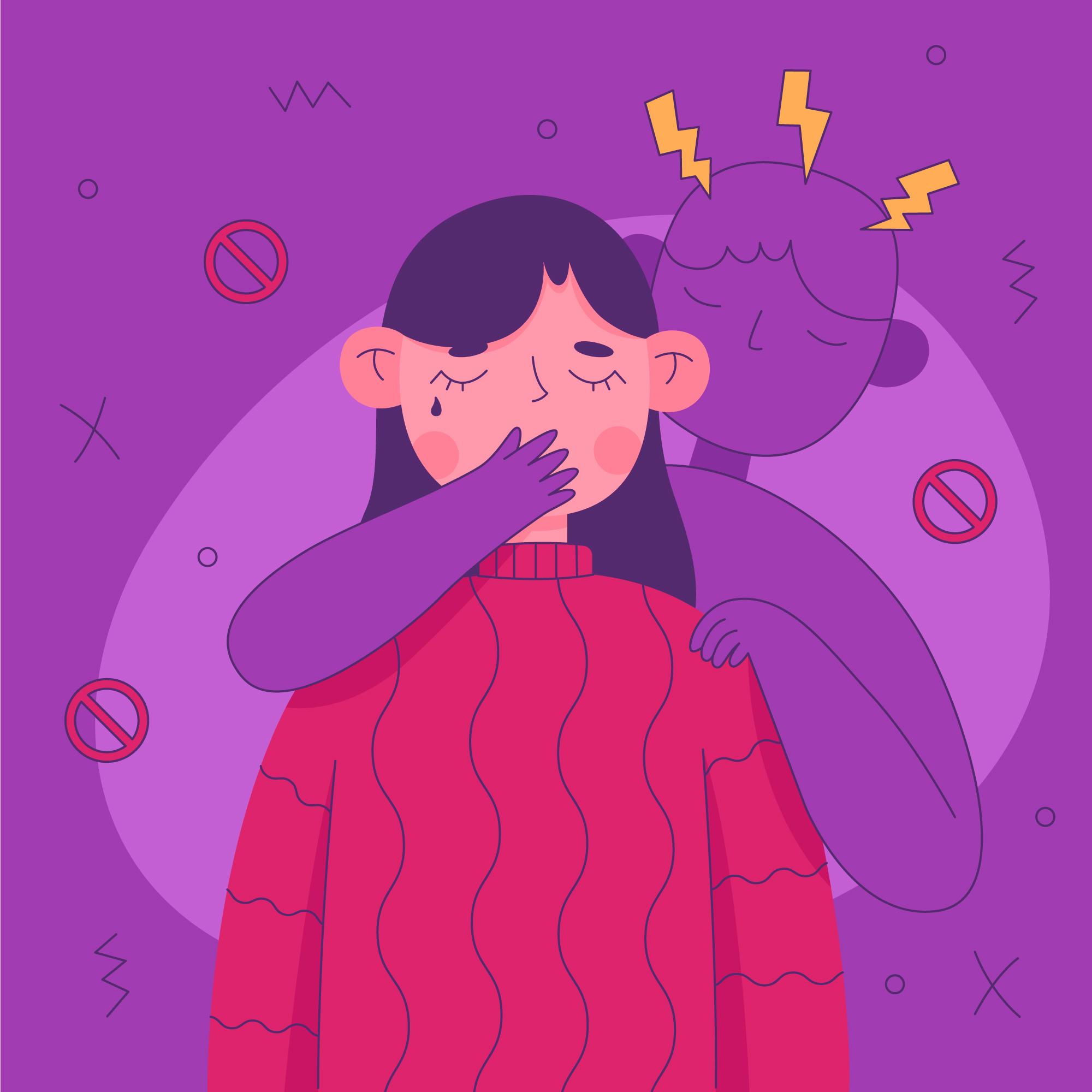
Anxiety is a natural response of the brain when it senses danger or uncertainty. It prepares the body to stay alert, protect itself, or escape a threat. The problem begins when the brain starts reacting to situations that are not truly dangerous. This is where avoidance behavior comes in. Avoidance means staying away from situations, thoughts, people, or emotions that make you feel anxious. In the short term, avoidance feels helpful because anxiety reduces immediately. Your mind feels calm and your body relaxes, which makes the brain believe that avoidance worked. Over time, this habit quietly strengthens anxiety instead of healing it.
Why Avoidance Feels Like Relief at First
When you avoid something that triggers anxiety, your nervous system calms down quickly. Heart rate slows, breathing becomes easier, and uncomfortable thoughts reduce. This immediate relief acts like a reward for the brain. Psychology calls this negative reinforcement, where removing discomfort makes a behavior stronger. The brain learns that avoidance equals safety. Because of this learning, the brain encourages you to avoid similar situations again in the future. Although this relief feels real, it is temporary and does not address the root cause of anxiety.
The Brain Science Behind Avoidance and Anxiety
Research in neuroscience shows that anxiety is closely linked to the amygdala, the brain’s fear center. When you avoid a feared situation, the amygdala never gets a chance to learn that the situation is actually safe. Instead, the fear memory stays active and often grows stronger. Each time you avoid, the brain confirms the belief that danger was avoided successfully. Over time, even small triggers can activate anxiety because the brain becomes more sensitive. This is why anxiety spreads from one situation to many others when avoidance continues.
How Avoidance Strengthens Anxiety Over Time
Avoidance keeps anxiety alive because the brain never experiences proof that it can handle discomfort. When you avoid social situations, public speaking, travel, or emotional conversations, your comfort zone becomes smaller. Anxiety slowly expands into daily life. What once caused mild nervousness can later create intense fear. This is known as anxiety generalization, where fear spreads to similar situations. Long term avoidance teaches the brain that you are not capable of coping, even though you actually are. This belief becomes deeply rooted and harder to change.
Avoidance and the Anxiety Cycle
Anxiety and avoidance work together in a cycle. First, a trigger creates anxiety. Then avoidance reduces the anxiety. The brain feels relief and stores avoidance as a solution. The next time the trigger appears, anxiety increases faster and stronger. This leads to more avoidance. Over time, this cycle repeats automatically without conscious decision making. Many anxiety disorders such as social anxiety, panic disorder, and health anxiety are maintained by this exact pattern. Breaking this cycle is essential for long term anxiety relief.
The Role of Exposure in Anxiety Reduction
Exposure therapy is one of the most researched and effective treatments for anxiety disorders. It works by gently and repeatedly facing feared situations instead of avoiding them. When exposure is done gradually, the brain learns that anxiety naturally rises and falls without avoidance. Studies show that repeated exposure reduces amygdala activation and strengthens the brain’s safety learning system. Over time, the brain stops sending false danger signals. Exposure does not remove anxiety instantly, but it weakens anxiety permanently.
Emotional Avoidance and Mental Health
Avoidance is not limited to external situations. Many people avoid emotions like sadness, anger, guilt, or fear. Emotional avoidance includes suppressing feelings, distracting yourself constantly, or staying busy to escape discomfort. Research shows that suppressed emotions increase stress hormones and worsen anxiety and depression. Avoiding emotions prevents emotional processing, which is necessary for healing. Facing emotions in a safe and mindful way helps the brain regulate stress and build emotional resilience.
How Avoidance Affects Confidence and Self Trust
Avoidance slowly damages self confidence. Each avoided situation sends a message to the brain that you are not capable of handling discomfort. This reduces self trust and increases self doubt. Over time, people begin to believe they are weak or broken, even though anxiety is a learned brain response. Facing anxiety builds confidence because each experience becomes evidence that you can survive discomfort. Confidence does not come from feeling calm. It comes from knowing you can handle difficult emotions.
Avoidance in Daily Life Examples
Avoidance can look harmless at first. Skipping social events, delaying phone calls, avoiding eye contact, postponing decisions, or constantly checking reassurance are common examples. These behaviors reduce anxiety temporarily but increase fear in the long run. Even procrastination can be a form of avoidance driven by anxiety. When anxiety controls daily choices, life becomes limited. Awareness of these patterns is the first step toward change.
Anxiety Is Not Dangerous Even When It Feels Intense
One important fact supported by research is that anxiety itself is not dangerous. Anxiety symptoms such as racing heart, dizziness, sweating, or shaky hands feel alarming but are not harmful. The fear comes from how the brain interprets these sensations. Avoidance keeps the fear alive by preventing new learning. When people stay with anxiety long enough, the nervous system naturally calms down. This process teaches the brain that anxiety does not need escape.
How Facing Anxiety Rewires the Brain
The brain has a powerful ability called neuroplasticity, which allows it to change through experience. Each time you face anxiety without avoiding, new neural pathways form. The brain learns safety instead of threat. Over time, anxiety responses weaken and confidence strengthens. This change does not require forcing yourself into extreme situations. Small consistent steps are enough to retrain the brain.
Practical Steps to Reduce Avoidance
Start by noticing your avoidance patterns without judgment. Choose one small situation that creates mild anxiety and face it gently. Stay in the situation long enough for anxiety to decrease naturally. Avoid using safety behaviors like constant reassurance or distraction. Practice slow breathing and grounding techniques to support your nervous system. Progress slowly and consistently. If anxiety feels overwhelming, working with a mental health professional can provide structured support.
Long Term Healing Comes From Facing Not Escaping
Avoidance feels protective, but it quietly strengthens anxiety over time. Facing anxiety teaches the brain resilience, safety, and confidence. Healing does not mean anxiety will never appear again. It means anxiety no longer controls your choices. When you stop avoiding, life expands again. With patience, understanding, and repeated practice, the brain learns that discomfort is manageable and fear does not define you.
Final Thoughts on Anxiety and Avoidance
Anxiety grows in silence and avoidance. It weakens when faced with awareness and courage. Temporary relief is not the same as long term healing. By understanding how avoidance works, you take the first step toward breaking the anxiety cycle. Recovery is not about forcing calm. It is about building trust in your ability to feel uncomfortable and still move forward. That is where true freedom from anxiety begins.




Leave a Reply