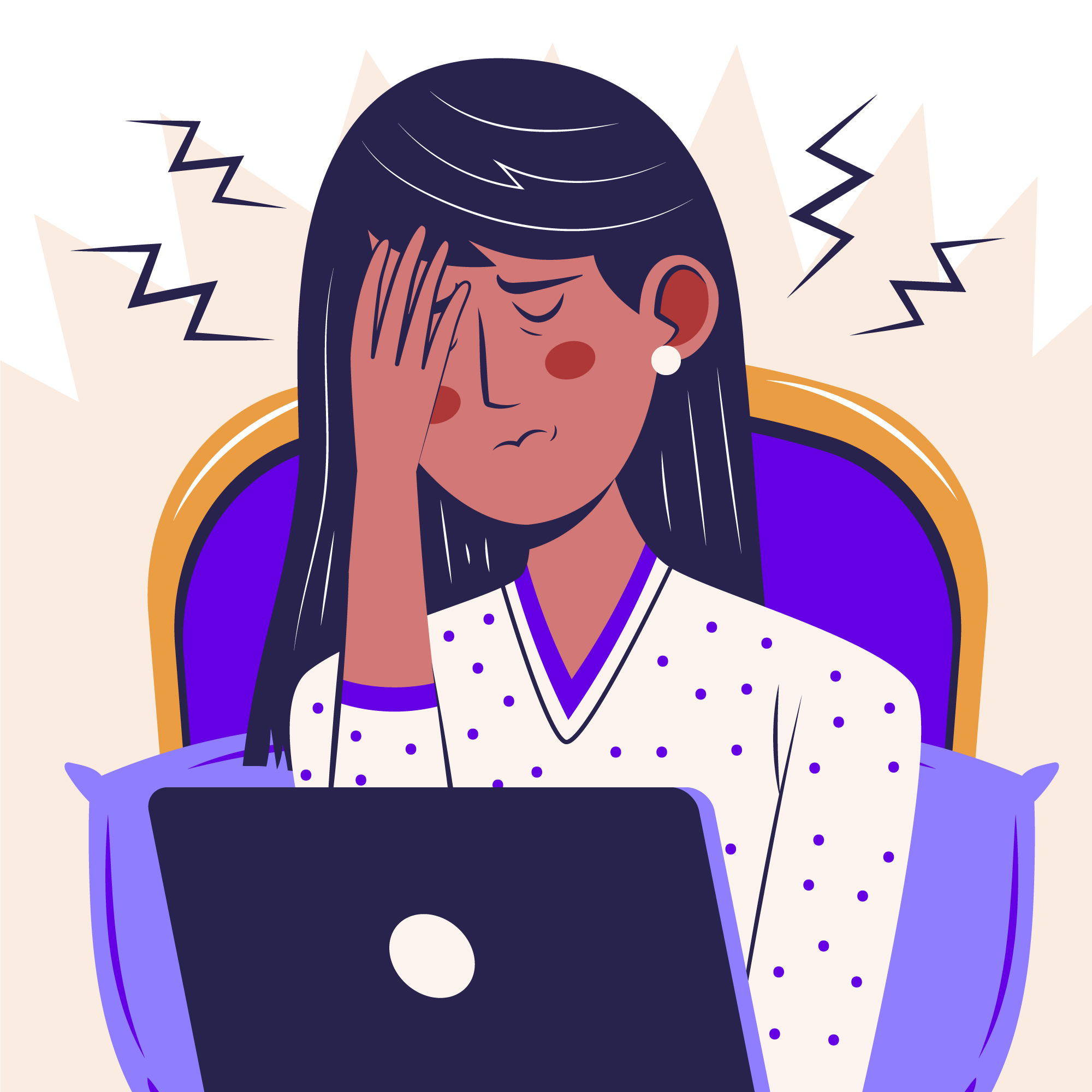
Understanding Burnout and Its Impact on Mental Health
Burnout is not just feeling tired or stressed for a few days. It is a state of deep mental physical and emotional exhaustion that builds slowly over time. Many people search for answers when they notice forgetfulness lack of concentration and sudden emotional reactions and often the hidden reason is burnout. Today burnout is closely linked with mental health problems especially in working professionals students caregivers and people facing constant pressure. Understanding how burnout affects memory focus and emotional regulation is important because these functions control how we think learn work and connect with others.
Burnout develops when stress stays for too long without proper rest or recovery. The brain remains in survival mode for weeks or months. When this happens the nervous system struggles to return to balance. This is why burnout is more than stress and why its effects last longer. Science shows that burnout changes how the brain processes information emotions and attention.
What Is Burnout and Why It Happens
Burnout is officially described as a response to chronic stress especially work related stress. However it is not limited to jobs. Students parents homemakers and even teenagers can experience burnout. It happens when demands are high and emotional support rest or control is low. Over time the brain and body feel overwhelmed and start conserving energy by reducing mental performance.
One major cause of burnout is constant pressure without breaks. Long working hours lack of sleep emotional overload unrealistic expectations and feeling unappreciated all contribute to burnout. Digital overload also plays a big role today. Continuous notifications emails and screen time keep the brain active even when it needs rest. This constant stimulation prevents proper mental recovery and increases burnout risk.
How Burnout Affects Brain Function
The human brain is not designed to stay alert all the time. It needs cycles of stress and recovery. In burnout these cycles break down. Stress hormones like cortisol remain high for long periods. Research shows that long term high cortisol levels directly affect brain areas responsible for memory focus and emotional control.
Brain imaging studies suggest that chronic stress reduces activity in the prefrontal cortex which is responsible for decision making attention and emotional regulation. At the same time the amygdala which processes fear and threat becomes more active. This imbalance explains why people with burnout feel mentally foggy emotionally sensitive and easily overwhelmed.
Burnout and Memory Problems
Memory problems are one of the most common symptoms people report during burnout. You may forget names miss appointments or struggle to recall simple information. This does not mean intelligence is reduced. It means the brain is overloaded and cannot store or retrieve information properly.
Stress affects the hippocampus which is the brain center responsible for learning and memory. Studies show that chronic stress can shrink the hippocampus temporarily. When the hippocampus is affected new information is harder to store and old memories become difficult to access. This explains why people with burnout often say their brain feels blank or slow.
Another reason memory suffers during burnout is poor sleep. Burnout often comes with insomnia or disturbed sleep. Sleep is essential for memory consolidation. Without proper rest the brain cannot organize and store information efficiently. Over time this leads to frequent forgetfulness and reduced learning ability.
Burnout and Lack of Focus and Concentration
Difficulty focusing is another strong sign of burnout. Tasks that once felt easy start feeling exhausting. You may read the same paragraph multiple times without understanding it. This happens because attention requires mental energy and burnout reduces available energy.
The brain uses the prefrontal cortex to maintain focus and block distractions. Chronic stress weakens this area making it harder to concentrate. At the same time the brain becomes more sensitive to distractions because it stays alert for threats. This creates constant mental noise which interferes with deep focus.
Multitasking becomes harder during burnout. Research shows that stress reduces working memory capacity which is needed to hold and process information at the same time. This is why people experiencing burnout feel mentally scattered and less productive despite working harder.
Burnout and Emotional Regulation
Emotional regulation means the ability to manage emotions appropriately. Burnout strongly affects this ability. People may feel emotionally numb one moment and overly reactive the next. Small issues may trigger anger tears or frustration. This emotional instability is not a personality flaw but a brain response to overload.
The prefrontal cortex helps regulate emotions by calming the amygdala. During burnout this control weakens. As a result emotions feel intense and harder to manage. Studies show that chronic stress reduces emotional resilience and increases sensitivity to negative emotions.
Burnout can also reduce empathy and emotional connection. Many people report feeling detached or indifferent. This emotional withdrawal is the brain’s way of protecting itself from further stress. However it often leads to guilt and relationship problems which can worsen mental health.
Burnout vs Depression and Anxiety
Burnout shares symptoms with depression and anxiety but they are not the same. Burnout is usually linked to specific life stressors like work or caregiving. Depression affects mood across all areas of life. However untreated burnout can increase the risk of depression and anxiety.
Research shows that burnout increases inflammation stress hormones and sleep problems which are also linked to depression. Emotional exhaustion can slowly turn into feelings of hopelessness if stress continues. This is why early recognition of burnout is important for mental health prevention.
Signs of Burnout You Should Not Ignore
Burnout does not appear suddenly. It sends warning signs. Constant fatigue even after rest is a major sign. Forgetfulness lack of motivation irritability and feeling disconnected are also common. Physical symptoms like headaches stomach issues and muscle tension often accompany burnout.
Another important sign is reduced satisfaction. Even achievements feel meaningless. Tasks feel draining rather than rewarding. This emotional exhaustion affects self confidence and self worth. Many people blame themselves instead of recognizing burnout which delays recovery.
Scientific Research on Burnout and Brain Health
Multiple studies confirm the link between chronic stress burnout and cognitive decline. Research published in neuroscience journals shows that long term stress affects brain plasticity. This means the brain becomes less flexible and slower to adapt. However the good news is that these changes are often reversible with proper recovery.
Brain scans of people recovering from burnout show improved activity in the prefrontal cortex after rest therapy and stress reduction. This proves that burnout is not permanent damage. The brain can heal when given the right conditions.
How Burnout Affects Daily Life and Productivity
Burnout reduces productivity even though people often work longer hours. Memory lapses and lack of focus slow down performance. Emotional reactivity affects teamwork communication and decision making. Over time burnout can lead to mistakes conflicts and reduced career growth.
In personal life burnout affects relationships. Emotional withdrawal irritability and exhaustion make it harder to connect with loved ones. This social isolation further worsens mental health. Understanding burnout helps reduce self blame and encourages healthier boundaries.
Recovery From Burnout and Brain Healing
Recovery from burnout starts with reducing stress not pushing harder. Rest is not laziness it is neurological repair. Sleep regular routines and mental breaks help restore brain function. Studies show that even short periods of reduced stress improve memory and focus.
Mindfulness and slow activities calm the nervous system and reduce cortisol. Physical movement improves blood flow to the brain and supports emotional regulation. Social support also plays a strong role in recovery by reducing emotional load.
Most importantly recovery takes time. Burnout develops over months and healing also needs patience. Gradual improvement is normal. With consistent care memory focus and emotional balance slowly return.
Preventing Burnout in a High Stress World
Burnout prevention is a mental health priority today. Setting boundaries with work and digital use is essential. Regular breaks and realistic expectations protect brain health. Learning to rest without guilt is important for emotional regulation.
Awareness is the first step. When people understand that burnout affects memory focus and emotions they seek help earlier. This prevents long term mental health issues and supports overall well being.
Final Thoughts on Burnout and Mental Health
Burnout is not a weakness or failure. It is a biological response to prolonged stress. Its effects on memory focus and emotional regulation are real and science backed. Understanding burnout helps reduce stigma and encourages healthier lifestyles.
Mental health improves when we listen to early warning signs. Supporting the brain with rest emotional safety and balance allows it to recover. Burnout may slow you down but with care awareness and time healing is possible.




Leave a Reply