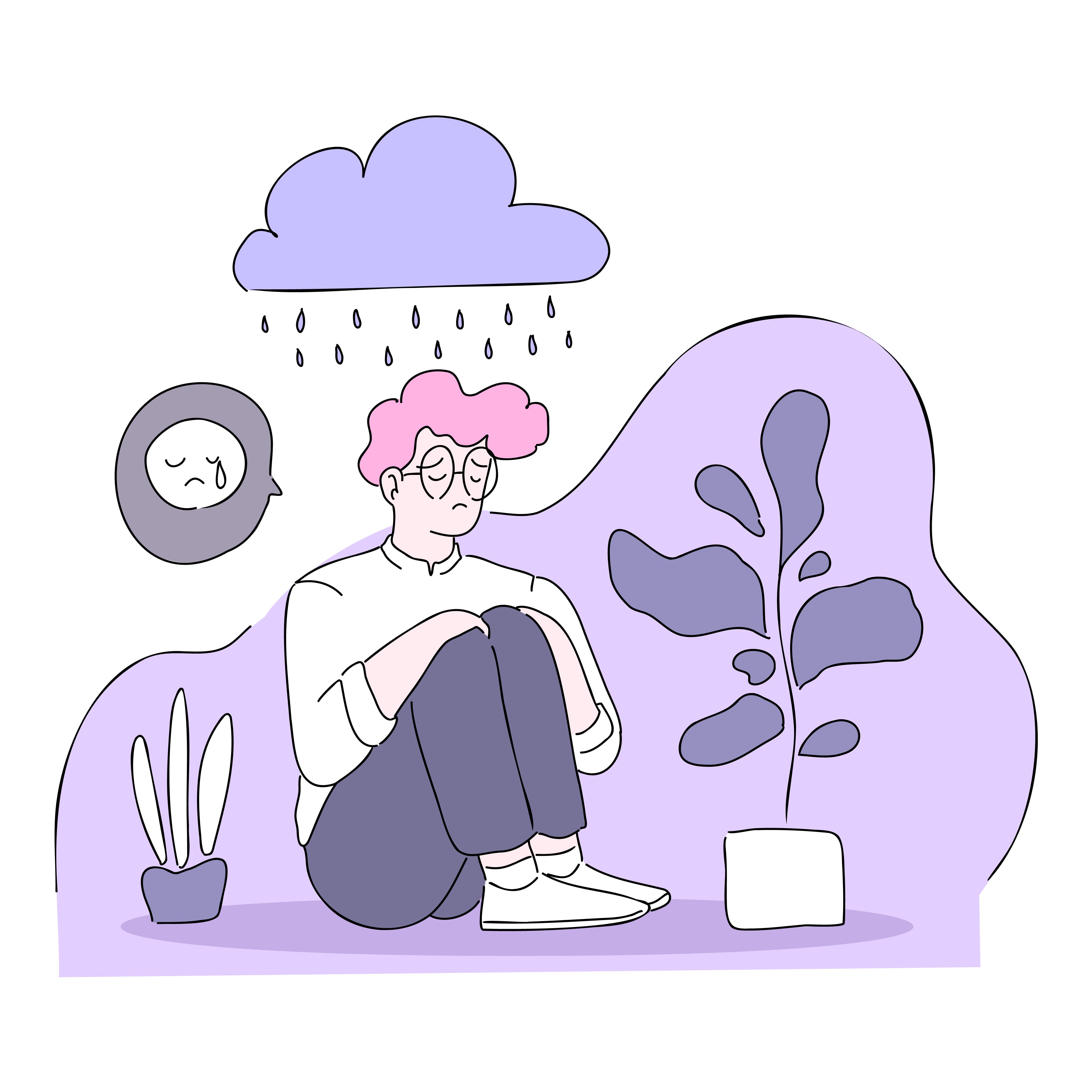
How Social Isolation and Chronic Loneliness Affect Your Brain, Body, and Long Term Health
Loneliness is more than just a feeling. It is a serious public health concern that affects mental health, physical health, and even life expectancy. Many people think loneliness simply means being alone. But in reality, loneliness is the emotional pain of feeling disconnected, even when surrounded by others. Social isolation and chronic loneliness are now linked to depression, anxiety, heart disease, weakened immunity, and early death. Research from global health organizations shows that loneliness can impact health in ways similar to smoking or obesity.
In today’s digital age, where social media and online communication are common, many people still report feeling deeply lonely. Understanding the impact of loneliness on health is important so we can protect our emotional well being and prevent long term health problems.
What Is Loneliness and Why Is It Increasing
Loneliness is the distress we feel when our social relationships do not meet our emotional needs. It is different from solitude, which can be peaceful and healthy. Loneliness feels unwanted and painful. Social isolation refers to having very few social contacts, while loneliness is the emotional experience of feeling alone.
Modern lifestyle changes have increased loneliness worldwide. Remote work, urban living, migration, excessive screen time, and reduced face to face interaction all contribute. Studies show that young adults and elderly people are especially vulnerable. Even teenagers who are active on social media often report high levels of loneliness and emotional stress.
Effects of Loneliness on Mental Health
One of the strongest links is between loneliness and mental health disorders. Chronic loneliness significantly increases the risk of depression and anxiety. When a person feels disconnected for a long time, negative thoughts increase. They may feel unworthy, rejected, or hopeless. This emotional pain can slowly develop into clinical depression.
Research in neuroscience shows that loneliness activates the same brain regions associated with physical pain. That is why rejection and isolation can hurt so deeply. Long term loneliness also raises the risk of substance abuse, sleep disorders, and suicidal thoughts. People who feel socially disconnected are more likely to struggle with low self esteem and emotional instability.
Loneliness and Heart Disease Risk
Loneliness does not just affect the mind. It directly affects the heart. Studies published in major medical journals show that chronic loneliness increases the risk of heart disease and stroke. When someone feels lonely, the body produces more stress hormones like cortisol. High cortisol levels increase blood pressure and inflammation.
Over time, this stress response damages blood vessels and increases the risk of cardiovascular disease. Researchers have found that people who report high levels of loneliness have a significantly higher chance of developing heart problems compared to those with strong social connections. This makes loneliness a serious risk factor for heart health.
Impact of Social Isolation on Immune System
Loneliness weakens the immune system. Chronic stress caused by social isolation reduces the body’s ability to fight infections. Studies have shown that lonely individuals may experience higher levels of inflammation in the body. Inflammation is linked to many diseases including diabetes, arthritis, and certain cancers.
When stress hormones remain elevated for long periods, the immune system becomes less effective. This means lonely individuals may fall sick more often and take longer to recover. Some research even suggests that loneliness may accelerate biological aging.
Loneliness, Sleep Problems, and Chronic Stress
Sleep and mental health are closely connected. People experiencing loneliness often report poor sleep quality. They may struggle to fall asleep or wake up frequently during the night. This happens because loneliness increases hypervigilance. The brain stays alert as if it is in danger, even when it is safe.
Poor sleep further increases stress and emotional instability. Over time, this cycle can lead to chronic stress, fatigue, and reduced productivity. Lack of sleep also affects memory, concentration, and decision making skills, which can impact work and relationships.
Loneliness and Cognitive Decline in Older Adults
In elderly populations, loneliness has been linked to cognitive decline and dementia risk. Social interaction keeps the brain active and engaged. Conversations, shared experiences, and emotional bonding stimulate different areas of the brain.
When older adults experience prolonged social isolation, brain stimulation reduces. Studies show that lonely seniors are more likely to experience memory problems and faster cognitive decline. Strong social networks, on the other hand, are associated with better brain health and longer life expectancy.
How Loneliness Affects Physical Health and Life Expectancy
Loneliness can reduce overall life expectancy. Large scale research studies suggest that chronic loneliness increases the risk of early death. The combined effects of stress, inflammation, heart disease, depression, and weakened immunity create long term health damage.
Experts now consider loneliness a major public health issue. The risk associated with chronic loneliness is comparable to other well known health risks. This does not mean loneliness directly causes death, but it significantly increases vulnerability to serious diseases.
Signs and Symptoms of Chronic Loneliness
Recognizing the signs of loneliness is important. Common symptoms include persistent sadness, lack of motivation, irritability, social withdrawal, low energy, sleep disturbances, and feelings of emptiness. Some people may also experience physical symptoms like headaches, body pain, or digestive problems related to stress.
Loneliness can sometimes hide behind busy routines or online activity. A person may appear socially active but still feel emotionally disconnected. Emotional awareness is key to identifying the problem early.
How to Overcome Loneliness and Improve Mental Well Being
The good news is that loneliness can be managed and reduced. Building meaningful relationships is more important than increasing the number of contacts. Deep conversations, shared activities, and emotional honesty strengthen bonds.
Simple steps can help improve social connection. Joining community groups, volunteering, taking classes, or participating in local events can create opportunities for real interaction. Limiting excessive social media use and prioritizing face to face communication also improves emotional health.
Practicing self compassion and mindfulness can reduce negative self talk. Therapy or counseling is very effective for individuals experiencing chronic loneliness or depression. Mental health professionals can help change unhealthy thought patterns and build social confidence.
Physical activity also plays a role. Exercise reduces stress hormones and improves mood by releasing endorphins. Group activities like yoga classes or walking groups combine physical and social benefits.
Importance of Emotional Connection in a Digital World
Technology has connected the world, but it has not replaced emotional closeness. Online communication can support relationships, but it cannot fully substitute human touch, eye contact, and shared experiences. Healthy relationships require presence, empathy, and understanding.
Families, workplaces, and schools can play a major role in reducing loneliness. Encouraging open conversations about mental health and emotional needs creates supportive environments. When people feel heard and valued, loneliness decreases.
Final Thoughts on Loneliness and Health
Loneliness is not a weakness. It is a human signal that we need connection. Ignoring it can lead to serious mental and physical health problems including depression, anxiety, heart disease, weakened immunity, sleep disorders, and cognitive decline.
Science clearly shows that strong social connections improve health, increase happiness, and extend life expectancy. Taking small steps to build meaningful relationships can protect both the mind and body. If loneliness feels overwhelming or persistent, seeking professional help is a strong and healthy decision.
Prioritizing connection is not just good for emotional well being. It is essential for long term health and overall quality of life.





Leave a Reply