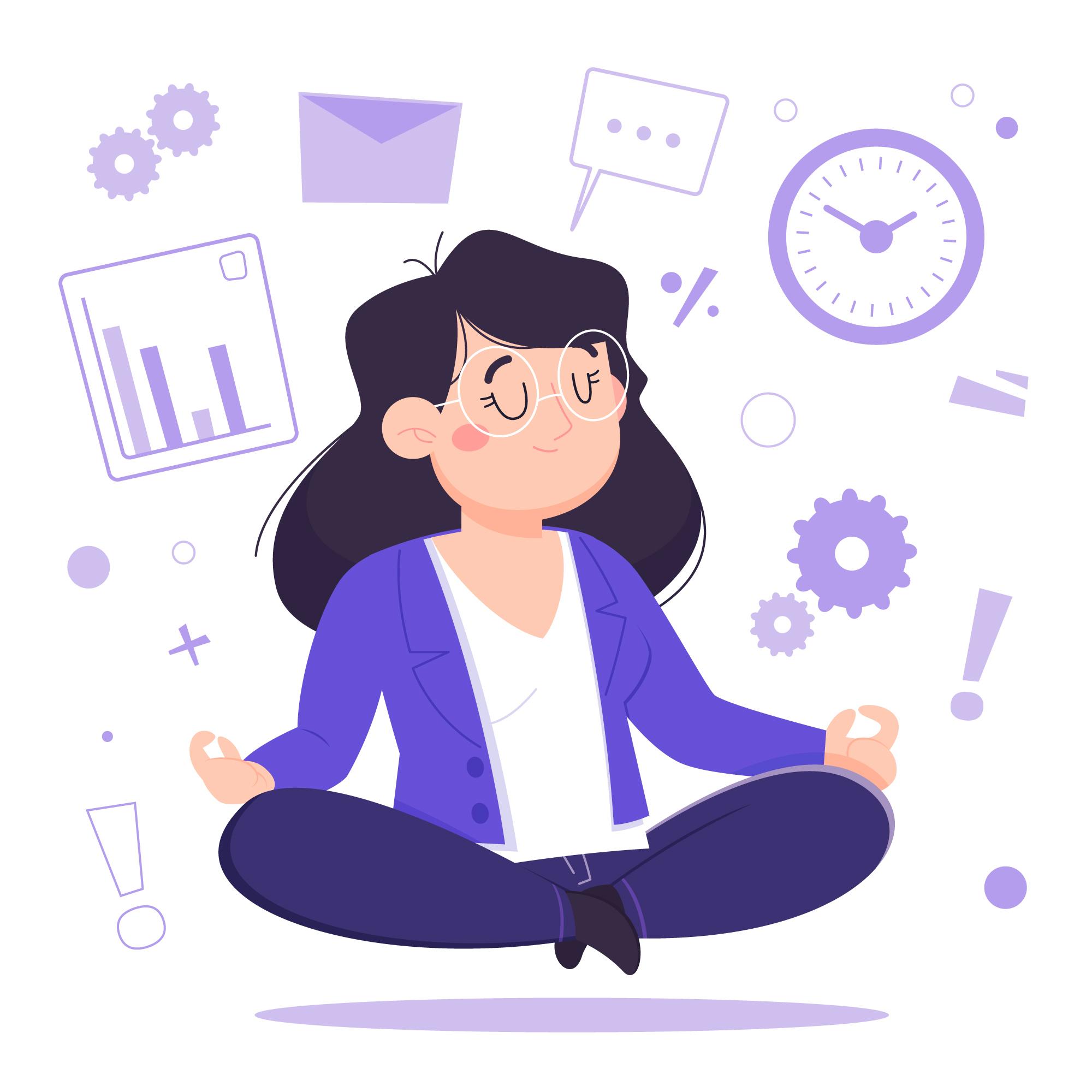
The Science Behind Emotional Regulation and Why Putting Feelings Into Words Works
Emotions can feel overwhelming. Anxiety, anger, sadness, and fear sometimes rise so quickly that we feel out of control. But research in psychology and neuroscience shows something powerful. Naming your emotions reduces emotional intensity. Simply putting feelings into words can calm your nervous system and help you think more clearly. This process is often called affect labeling, and it is one of the most effective emotional regulation techniques supported by science.
Many people search for answers to questions like how to control emotions, how to reduce anxiety naturally, and how to manage stress at work. The answer is often simpler than expected. When you identify and name what you are feeling, your brain shifts from emotional reactivity to logical thinking. This small mental step can make a big difference in mental health and emotional wellbeing.
What Does Naming Your Emotions Mean in Psychology
Naming your emotions means identifying exactly what you are feeling instead of saying you feel bad or stressed. For example, instead of saying I feel terrible, you might say I feel rejected, I feel overwhelmed, or I feel disappointed. This clarity matters because the brain responds differently when emotions are clearly defined.
In psychology, this process is linked to emotional intelligence and self awareness. Emotional intelligence involves recognizing your emotions, understanding them, and responding to them in a healthy way. When you label your emotions accurately, you strengthen your ability to regulate them. This improves mental health, decision making, and relationships.
Research in cognitive neuroscience shows that when you name an emotion, the activity in the amygdala decreases. The amygdala is the part of the brain responsible for fear and emotional reactions. At the same time, the prefrontal cortex becomes more active. The prefrontal cortex is responsible for reasoning and problem solving. This shift helps you move from emotional chaos to emotional control.
How Naming Emotions Reduces Anxiety and Stress
Anxiety and stress often feel intense because they are vague. When you say I feel anxious, your brain may still be unsure about the real source of discomfort. But if you say I feel anxious because I am afraid of failing this presentation, your brain starts organizing the emotion into something specific and manageable.
Studies from neuroscience research labs have shown that affect labeling reduces emotional reactivity. When participants viewed disturbing images and labeled their feelings, their brain scans showed reduced activation in emotional centers. This means that emotional labeling literally calms the brain.
For people dealing with chronic stress, panic attacks, or work pressure, this technique can be especially helpful. When you pause and say I am feeling pressured and afraid of judgment, your nervous system slows down. You begin to respond instead of react. Over time, this practice builds emotional resilience and better stress management skills.
Emotional Regulation Techniques Backed by Science
Emotional regulation is one of the most searched mental health topics today. People want tools that actually work. Naming emotions is one of the simplest evidence based coping strategies available. It does not require medication, equipment, or long therapy sessions. It only requires awareness and honesty.
Psychologists explain that emotions are signals. They provide information about what matters to you. When you ignore or suppress them, they often grow stronger. But when you acknowledge them clearly, their intensity decreases. This is because the brain prefers clarity over confusion.
Cognitive behavioral therapy often includes exercises that encourage clients to label thoughts and emotions. Mindfulness practices also emphasize observing feelings without judgment. When you combine mindfulness with emotional labeling, you create a powerful method for reducing anxiety and improving emotional balance.
Why Suppressing Emotions Makes Them Stronger
Many people try to push emotions away. They distract themselves with social media, overworking, or avoiding difficult conversations. While this may give short term relief, research shows that emotional suppression increases stress levels and physiological arousal.
When you suppress feelings, your body still experiences them. Your heart rate may increase, muscles may tighten, and stress hormones like cortisol may rise. The emotion does not disappear. It simply stays unprocessed. Over time, this can contribute to burnout, anxiety disorders, and even physical health problems.
In contrast, naming emotions creates psychological distance. When you say I notice I am feeling angry, you separate yourself from the emotion. You are no longer the anger. You are the observer of it. This small shift reduces emotional intensity and promotes healthier coping mechanisms.
The Link Between Emotional Intelligence and Mental Health
Emotional intelligence is strongly connected to mental wellbeing. People with higher emotional intelligence are better at handling stress, resolving conflicts, and maintaining healthy relationships. One key component of emotional intelligence is emotional awareness.
When you regularly name your emotions, you train your brain to recognize subtle feelings. Instead of reacting impulsively, you pause and reflect. This improves communication and reduces misunderstandings. In workplaces, emotional intelligence is linked to leadership success and better team collaboration.
For students, professionals, and parents, emotional regulation skills improve focus and decision making. When the brain is not overwhelmed by intense emotions, it can concentrate on solving problems effectively. This makes emotional labeling a practical life skill, not just a therapy tool.
How to Practice Naming Your Emotions Daily
Learning how to identify emotions takes practice. Start by expanding your emotional vocabulary. Instead of using only words like happy, sad, or angry, try more specific terms such as frustrated, embarrassed, anxious, hopeful, or resentful. The more precise the label, the more effective the regulation.
You can practice by asking yourself simple questions. What am I feeling right now. Why am I feeling this way. What triggered this emotion. Writing your answers in a journal can strengthen emotional awareness. Journaling for mental health is often recommended because it helps organize thoughts and reduce rumination.
Mindfulness meditation can also help. Sit quietly for a few minutes and observe your internal state. If you notice tension, label it gently. If you notice worry, say I am feeling worried. Avoid judging yourself. The goal is awareness, not criticism. Over time, this habit becomes natural and automatic.
Naming Emotions in Difficult Situations
Emotional labeling is especially powerful during conflict or high pressure moments. For example, during a disagreement, you might feel defensive. Instead of reacting immediately, you can pause and think I am feeling hurt and misunderstood. This clarity reduces aggressive responses and opens space for communication.
In parenting, naming emotions can help children develop emotional intelligence early in life. When a child is upset, saying You seem frustrated because the toy broke teaches them to identify feelings. Research in child psychology shows that children who learn emotional vocabulary early are better at self regulation.
In workplace stress situations, labeling emotions can prevent burnout. If you say I am feeling overwhelmed because of unrealistic deadlines, you can then take action. You might delegate tasks, ask for support, or adjust expectations. Emotional clarity leads to practical solutions.
The Brain Science of Affect Labeling
Neuroscientific research using brain imaging has provided strong evidence for affect labeling. When participants labeled emotions, researchers observed decreased activity in the amygdala and increased activity in the right ventrolateral prefrontal cortex. This brain region helps regulate emotional responses.
This pattern shows that naming emotions is not just a psychological trick. It is a biological process that changes how your brain functions. The prefrontal cortex essentially tells the emotional brain that the threat is manageable. This reduces fear and intensity.
These findings support the idea that emotional awareness is essential for anxiety management and stress reduction. When the brain feels understood, it relaxes. Clear labels create structure, and structure reduces chaos in the mind.
Common Questions About Naming Emotions
Many people ask does naming emotions really work for anxiety. Research suggests yes. While it is not a complete treatment for severe mental health conditions, it is a valuable coping strategy. It can be used alongside therapy, medication, and lifestyle changes.
Another common question is what if I cannot identify what I feel. This is normal. Emotional confusion is common, especially during stress. Start by identifying basic categories such as anger, fear, sadness, or joy. With practice, you will recognize more nuanced emotions.
People also wonder if talking about feelings makes them stronger. In most cases, healthy expression reduces intensity. Rumination is different from labeling. Rumination means repeatedly replaying negative thoughts. Labeling means calmly identifying the emotion and allowing it to pass.
Long Term Benefits of Naming Your Emotions
Consistently naming emotions can improve overall mental health. It reduces emotional reactivity, strengthens relationships, and improves self confidence. When you understand your feelings, you make better decisions aligned with your values.
Over time, this practice builds resilience. Resilience is the ability to recover from setbacks and challenges. When you can quickly identify and regulate emotions, stressful situations become easier to handle. This leads to lower anxiety levels and improved emotional balance.
Many mental health professionals encourage emotional labeling because it is simple, accessible, and effective. It does not require special training. Anyone can begin today. The key is consistency and patience.
Final Thoughts on Emotional Awareness and Stress Management
Naming your emotions reduces emotional intensity because it shifts your brain from reaction to reflection. This small but powerful habit improves emotional regulation, reduces anxiety, and supports long term mental wellbeing. Science shows that when you put feelings into words, your brain calms down.
In a world where stress and anxiety are common, emotional awareness is a vital life skill. The next time you feel overwhelmed, pause and ask yourself what exactly am I feeling. Give it a clear name. That simple act may be the first step toward calm, clarity, and emotional control.




Leave a Reply