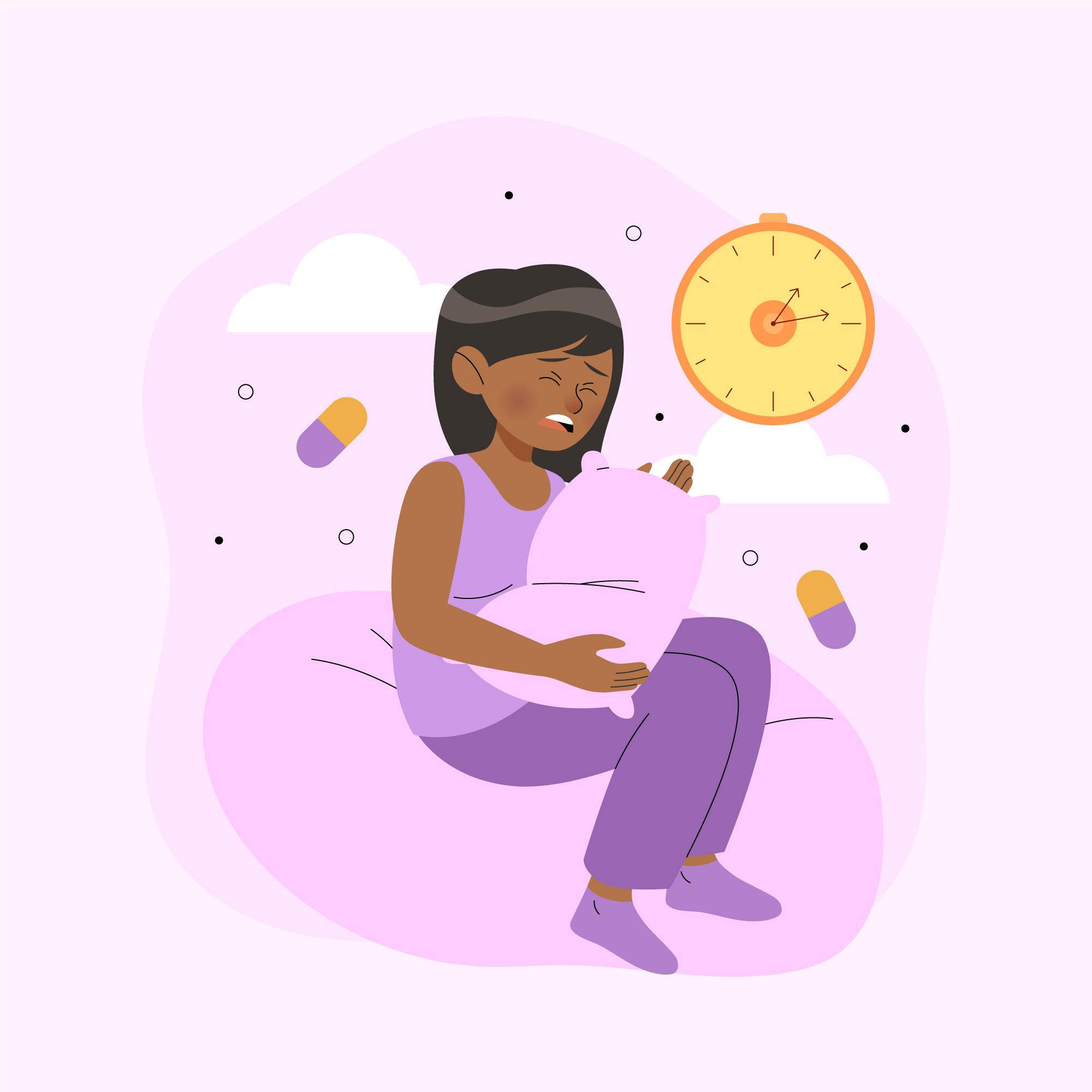
Understanding the Connection Between Vitamin Deficiency and Depression Symptoms
While depression is a complex condition influenced by genetics, stress, trauma, and lifestyle, research shows that certain vitamin deficiencies can worsen or even trigger depressive symptoms in some people.
Mental health and nutrition are deeply connected. Your brain needs the right balance of vitamins and minerals to produce neurotransmitters like serotonin, dopamine, and norepinephrine. These brain chemicals regulate mood, sleep, motivation, and focus. When your body lacks essential nutrients, your brain may not function properly, leading to low mood, fatigue, anxiety, and brain fog.
This blog explains the science behind vitamin deficiency and depression, the most common nutrient deficiencies linked to low mood, symptoms to watch for, and what research says about supplementation.
How Vitamins Affect Brain Function and Mood
Your brain is an energy intensive organ. It uses nutrients from the food you eat to create chemical messengers. Vitamins act as co factors in many brain processes. For example, B vitamins help convert food into energy and support nerve function. Vitamin D plays a role in regulating mood related hormones. Iron helps carry oxygen to the brain.
If you are deficient in key vitamins, your body may struggle to maintain healthy neurotransmitter levels. Low serotonin is commonly associated with depression. Low dopamine can cause lack of motivation and pleasure. Over time, these imbalances may contribute to persistent sadness, irritability, and emotional numbness.
Scientific studies have found strong associations between low levels of certain vitamins and higher rates of depressive symptoms. However, it is important to understand that vitamin deficiency does not cause all depression cases. It can be one contributing factor among many.
Vitamin D Deficiency and Depression
Vitamin D deficiency and depression are widely researched together. Vitamin D is often called the sunshine vitamin because your body produces it when exposed to sunlight. Many people, especially those who stay indoors, live in polluted cities, or use sunscreen regularly, have low vitamin D levels.
Research published in journals such as The Journal of Affective Disorders has shown that people with low vitamin D levels are more likely to experience depression symptoms. Vitamin D receptors are found in areas of the brain responsible for mood regulation. Low vitamin D may affect serotonin production and increase inflammation, both linked to depression.
Common symptoms of vitamin D deficiency include fatigue, low mood, muscle pain, and frequent illness. A simple blood test can check your vitamin D levels. In some cases, supplementation under medical supervision has shown improvement in mood, especially in individuals who were clearly deficient.
Vitamin B12 Deficiency and Depression
Vitamin B12 deficiency depression link is another highly searched topic. Vitamin B12 is essential for nerve health and red blood cell production. It also plays a crucial role in the synthesis of neurotransmitters that control mood.
Low B12 levels are commonly seen in vegetarians, vegans, older adults, and people with digestive issues such as gastritis or irritable bowel conditions. Symptoms of vitamin B12 deficiency include extreme tiredness, memory problems, numbness in hands and feet, and depression symptoms.
Research indicates that people with low B12 levels may experience more severe depression and may respond poorly to antidepressant medications. Correcting a B12 deficiency through diet or supplements can significantly improve energy levels and mood in some individuals.
Folate Deficiency and Depression Risk
Folate, also known as vitamin B9, works closely with B12 in brain function. Low folate levels have been linked to higher risk of depression and poor response to antidepressant treatment. Folate is necessary for methylation, a chemical process that helps regulate mood and brain chemistry.
Leafy green vegetables, beans, lentils, and citrus fruits are good sources of folate. People with poor diets or certain genetic variations may struggle to convert folate into its active form. Studies have found that supplementing with certain forms of folate can enhance the effectiveness of depression treatment in some patients.
Iron Deficiency and Low Mood
Iron deficiency anemia is another condition that can mimic or worsen depression symptoms. Iron carries oxygen to your brain. When iron levels are low, you may feel exhausted, weak, and mentally drained. These symptoms can easily be mistaken for depression.
Women of reproductive age, especially those with heavy menstrual cycles, are at higher risk of iron deficiency. Research has shown that correcting iron deficiency can improve cognitive function and reduce fatigue, which may positively affect mood.
Magnesium and Mental Health
Magnesium plays a role in over 300 biochemical reactions in the body. It supports nerve transmission and helps regulate the stress response system. Low magnesium levels have been associated with anxiety and depression.
Some studies suggest that magnesium supplementation may improve mild to moderate depression symptoms, particularly in people who are deficient. However, more large scale research is needed to confirm these findings.
Signs That Your Depression Could Be Linked to Vitamin Deficiency
It can be difficult to know whether your depression is related to nutrient deficiency. However, certain signs may indicate a possible connection. These include extreme fatigue that does not improve with rest, hair loss, brittle nails, pale skin, frequent infections, tingling sensations, and digestive problems.
If you experience depression symptoms along with physical signs of deficiency, it is important to consult a healthcare professional. Blood tests can identify low levels of vitamin D, B12, iron, and other nutrients.
Can Taking Vitamins Cure Depression
One of the most common questions is can vitamins cure depression naturally. The answer is complex. If depression is caused or worsened by a specific deficiency, correcting that deficiency can significantly improve symptoms. In such cases, supplementation may feel life changing.
However, depression is usually multi factorial. Psychological stress, trauma, hormonal imbalance, genetics, and lifestyle factors also play major roles. Vitamins alone are unlikely to cure clinical depression in most cases. They should be considered part of a holistic mental health approach that may include therapy, medication, exercise, sleep improvement, and stress management.
Best Diet for Depression and Mental Health
Instead of focusing only on supplements, experts recommend improving overall nutrition. A balanced diet rich in whole foods supports brain health. Include leafy greens, nuts, seeds, whole grains, fatty fish, eggs, fruits, and legumes in your daily meals.
The Mediterranean diet has been studied extensively and is associated with lower rates of depression. It emphasizes healthy fats, vegetables, fruits, and lean protein. Avoid excessive processed foods, refined sugar, and junk food, as these may increase inflammation and negatively impact mood.
When to See a Doctor for Depression and Vitamin Testing
If you have persistent sadness, loss of interest in activities, sleep problems, appetite changes, or thoughts of self harm, seek professional help immediately. Depression is a serious medical condition and deserves proper treatment.
Ask your doctor about testing for vitamin D deficiency, vitamin B12 deficiency, iron deficiency, and other relevant nutrients if you suspect a connection. Self diagnosing and taking high dose supplements without supervision can be harmful.
Final Thoughts on Vitamin Deficiency and Depression
The relationship between vitamin deficiency and depression is real and supported by scientific research. Low levels of vitamin D, vitamin B12, folate, iron, and magnesium can contribute to mood changes and depressive symptoms. For some people, correcting these deficiencies leads to noticeable improvement.
At the same time, depression is complex and rarely caused by one single factor. Nutrition is one important piece of the puzzle. Taking care of your body through proper diet, sunlight exposure, movement, and medical guidance can support your mental wellbeing.
If you are struggling, remember that help is available and recovery is possible. Understanding the connection between physical health and mental health is a powerful first step.
Frequently Asked Questions About Vitamin Deficiency and Depression
What vitamin deficiency causes depression the most
Vitamin D and vitamin B12 deficiencies are most commonly linked to depression symptoms according to research. However, iron and folate deficiencies can also contribute.
How do I know if my depression is caused by vitamin deficiency
Only a blood test can confirm a deficiency. If you have physical symptoms like fatigue, hair loss, or numbness along with depression, consult your doctor for testing.
Can vitamin D supplements improve depression
If you are deficient in vitamin D, supplementation may improve mood. It is best taken under medical supervision after testing.
Can low B12 cause anxiety and depression
Yes, low vitamin B12 levels can affect nerve function and neurotransmitter production, leading to symptoms of anxiety, depression, and brain fog.
Should I take multivitamins for depression
Multivitamins may help if you have nutritional gaps, but they are not a replacement for therapy or medication in moderate to severe depression. Always consult a healthcare provider before starting supplements.




Leave a Reply