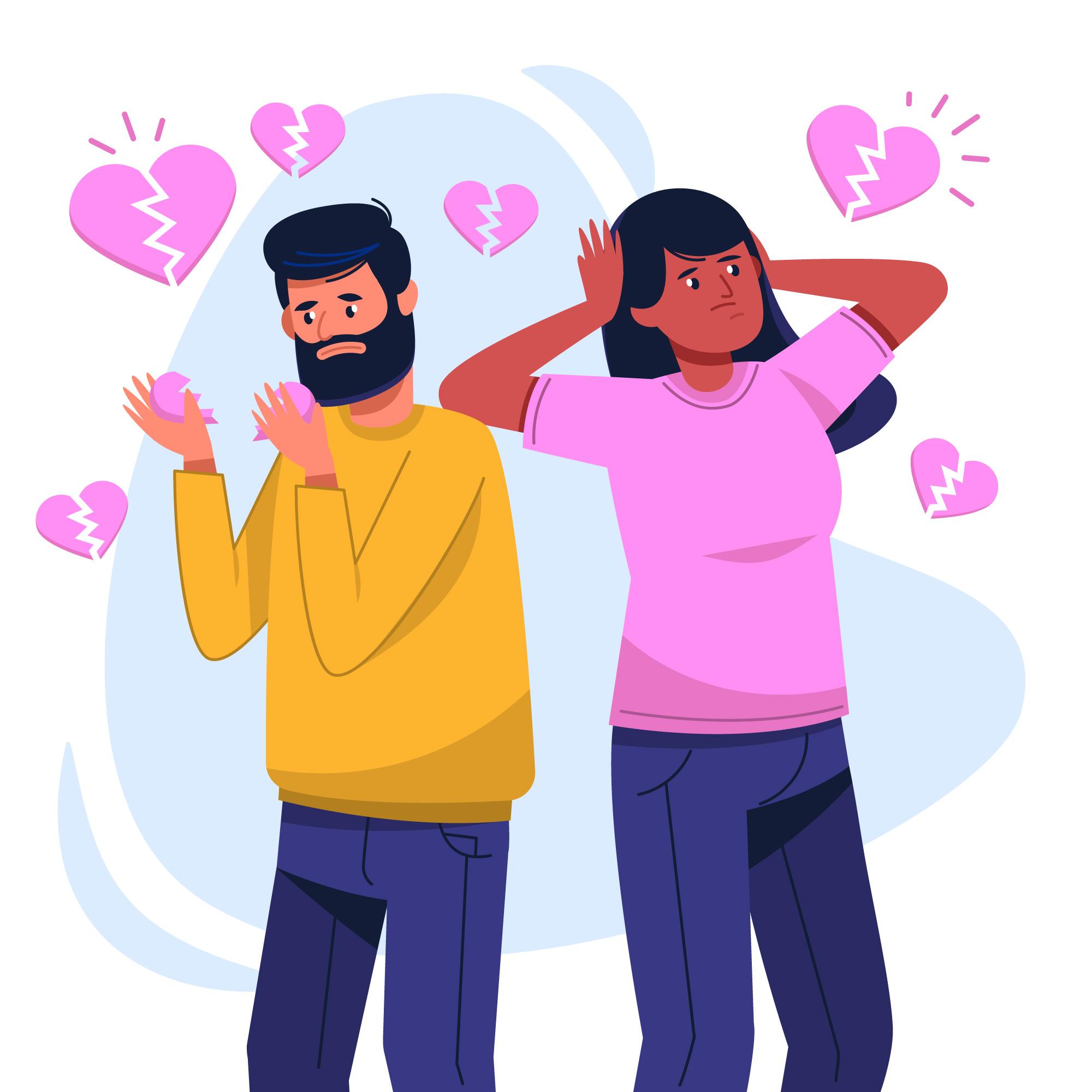
Understanding the Impact of Depression on Love, Marriage and Long Term Relationships
Depression is not just feeling sad for a few days. It is a serious mental health condition that affects mood, energy, thinking patterns and daily functioning. According to the World Health Organization, more than 280 million people globally live with depression. Research published in the Journal of Affective Disorders shows that depression significantly affects relationship satisfaction, emotional connection and communication between partners.
When one partner struggles with depression, both people in the relationship feel its effects. Romantic relationships are built on emotional bonding, shared activities and mutual support. Depression can slowly weaken these foundations. Many couples do not realize that what they are experiencing is linked to mental health. Understanding how depression affects relationships is the first step toward healing and rebuilding connection.
Signs Depression Is Affecting Your Relationship
Depression in relationships often shows up in subtle ways before it becomes obvious. One common sign is emotional withdrawal. The depressed partner may seem distant, uninterested or less expressive. They may stop sharing feelings or avoid meaningful conversations. This can make the other partner feel rejected or unloved.
Another common sign is irritability. Studies show that depression does not always appear as sadness. It can show up as anger, frustration or frequent arguments. Small disagreements may turn into bigger conflicts because one partner feels overwhelmed. Lack of energy is another key symptom. The person with depression may avoid date nights, social gatherings or intimacy, which can create confusion and disappointment in the relationship.
Emotional Distance and Loss of Intimacy
Emotional intimacy is the heart of a healthy romantic relationship. Depression often reduces a person’s ability to feel pleasure, a symptom known as anhedonia. This means activities that once brought joy, including spending time with a partner, may no longer feel enjoyable. As a result, the emotional bond may weaken.
Physical intimacy is also affected. Research shows that depression can lower libido and sexual desire. Hormonal changes, fatigue and negative self image can make closeness difficult. The partner who is not depressed may interpret this as lack of attraction or love, even though it is a symptom of a mental health condition. Without open communication, misunderstandings grow and emotional distance increases.
Communication Problems and Relationship Conflict
Healthy communication is essential for relationship success. Depression affects thinking patterns, often leading to negative thoughts and cognitive distortions. A person with depression may assume the worst, misinterpret neutral comments or believe they are a burden. This can reduce open and honest communication.
Studies from the American Psychological Association show that couples dealing with depression report lower relationship satisfaction and higher conflict. The non depressed partner may feel helpless or frustrated. They may try to fix the problem, offer advice or push for change, which can unintentionally increase pressure. Over time, both partners may feel misunderstood and emotionally exhausted.
How Depression Affects the Non Depressed Partner
Depression does not only impact the person who is diagnosed. The partner may experience stress, anxiety and caregiver fatigue. Research shows that partners of people with depression have a higher risk of developing depressive symptoms themselves. Constantly worrying about a loved one can be emotionally draining.
The non depressed partner may feel guilty for wanting attention or closeness. They might suppress their own needs to avoid adding pressure. This imbalance can create resentment. In long term relationships and marriage, this emotional strain can affect parenting, finances and daily responsibilities. Recognizing that both partners need support is important for maintaining relationship health.
Trust, Insecurity and Self Esteem Issues
Depression often damages self esteem. A person struggling with depression may feel unworthy of love. They might believe their partner deserves someone better. These thoughts are not facts but symptoms of distorted thinking. However, they can still influence behavior.
Low self worth can lead to jealousy or fear of abandonment. The depressed partner may seek reassurance frequently or withdraw completely to avoid being hurt. The other partner may start doubting their ability to provide support. This cycle can weaken trust. Relationship therapy research shows that addressing these negative beliefs can significantly improve emotional security and satisfaction.
Depression and Breakups or Divorce Risk
Several longitudinal studies have found that depression is linked to higher breakup and divorce rates. When symptoms remain untreated, emotional disconnection and conflict increase over time. Couples may drift apart without understanding the root cause.
However, depression does not automatically mean a relationship will fail. Many couples grow stronger when they face mental health challenges together. Research indicates that couples who seek therapy early and communicate openly have better outcomes. Awareness and early intervention make a major difference in relationship survival and satisfaction.
How to Support a Partner with Depression
Supporting a partner with depression requires patience and empathy. The first step is understanding that depression is a medical condition, not a personality flaw. Avoid saying things like just be positive or try harder. These statements can increase guilt and shame.
Encourage professional help. Cognitive Behavioral Therapy and medication have strong scientific evidence for reducing depressive symptoms. Offer to attend therapy sessions together if your partner is open to it. Couples therapy can improve communication and reduce misunderstandings. Listening without judgment and validating feelings helps rebuild emotional connection.
Taking Care of Yourself as a Partner
If you are supporting someone with depression, self care is not selfish. It is necessary. Maintain your own hobbies, friendships and routines. Studies show that caregivers who practice self care experience lower stress levels and better emotional resilience.
Set healthy boundaries. You cannot cure your partner’s depression alone. Encourage professional support rather than taking full responsibility. If you start feeling overwhelmed, consider individual therapy for yourself. Strong relationships are built on two healthy individuals, not one carrying all the emotional weight.
Rebuilding Intimacy and Emotional Connection
Healing a relationship affected by depression takes time. Start with small steps. Schedule low pressure activities such as short walks, watching a movie or cooking together. Behavioral activation therapy suggests that engaging in positive activities can slowly improve mood and strengthen bonds.
Open communication is essential. Express feelings without blaming. Use phrases like I feel rather than you always. Create a safe space where both partners can share honestly. Physical closeness such as holding hands or hugging can rebuild connection gradually. Intimacy does not need to be forced. It can grow again with patience and mutual understanding.
When to Seek Professional Help for Relationship Problems
If depression is causing frequent arguments, emotional numbness or thoughts of separation, professional help is strongly recommended. Marriage counseling and couples therapy have proven benefits in improving communication and relationship satisfaction. Therapists can help identify patterns, teach coping skills and address negative thinking cycles.
If there are signs of severe depression such as suicidal thoughts, immediate medical help is necessary. Depression is treatable. Early intervention improves both mental health outcomes and relationship stability. Seeking help is a sign of strength, not weakness.
Can Love Survive Depression
Yes, love can survive depression. Research shows that emotional support from a partner can actually improve recovery outcomes. Feeling understood and accepted reduces feelings of isolation. At the same time, both partners must actively participate in the healing process.
Depression challenges relationships, but it can also create deeper empathy and emotional maturity. Couples who learn healthy communication, practice patience and seek professional guidance often develop stronger bonds than before. Mental health awareness and education are key to protecting romantic relationships from long term damage.
FAQs About Depression and Romantic Relationships
Can depression make someone fall out of love
Depression can reduce emotional responsiveness and pleasure, which may feel like falling out of love. In many cases, these feelings improve when depression is treated.
How does depression affect intimacy in marriage
Depression can lower sexual desire, reduce emotional closeness and create distance. Treatment and open communication can help restore intimacy over time.
Should you stay in a relationship with a depressed partner
Every situation is unique. If the partner is willing to seek help and both individuals are committed to growth, many relationships can heal and strengthen.
Can couples therapy help with depression related relationship problems
Yes. Research shows that couples therapy improves communication, reduces conflict and increases relationship satisfaction when depression is involved.
What is the best way to help a depressed partner
Offer empathy, encourage professional treatment, listen without judgment and maintain healthy boundaries while also caring for your own emotional wellbeing.
Depression affects romantic relationships deeply, but it does not have to define them. With awareness, treatment and mutual effort, couples can rebuild connection, restore intimacy and create a healthier future together.




Leave a Reply