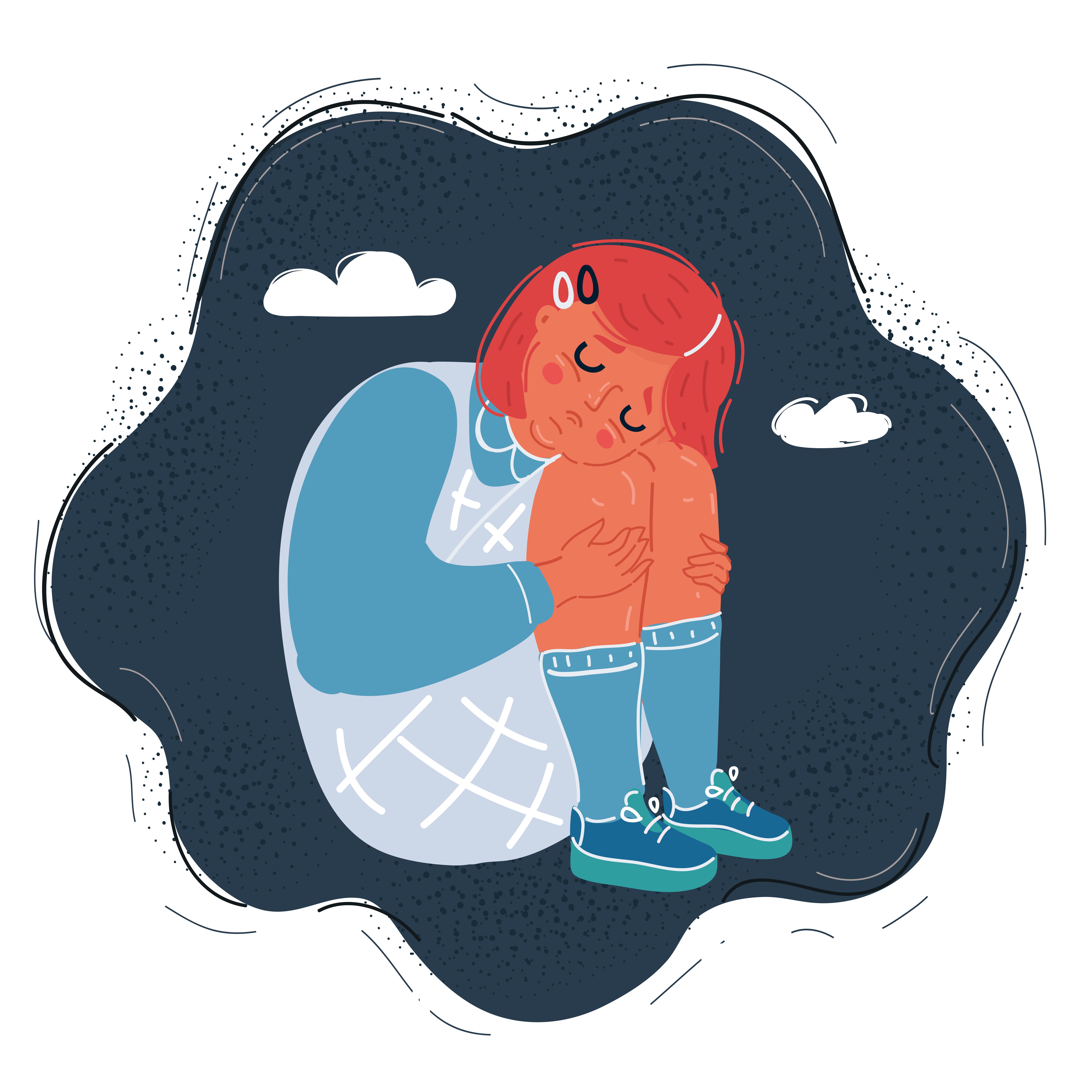
A Complete Guide for Parents to Understand Childhood Depression, Symptoms and Emotional Support
Parenting a child with depression can feel confusing, painful and overwhelming. Many parents ask themselves if they missed the signs or did something wrong. The truth is childhood depression is a real medical condition. It is not a phase, laziness or bad behavior. According to the World Health Organization, depression is one of the leading causes of illness among children and adolescents worldwide. Early understanding and support can make a huge difference in recovery and long term emotional health.
This guide explains the symptoms of depression in children, causes, risk factors, treatment options and practical parenting strategies in clear and practical language.
What Is Childhood Depression
Childhood depression is a mental health disorder that affects how a child thinks, feels and behaves. It goes beyond normal sadness. All children feel upset at times, but depression lasts for weeks or months and affects school performance, relationships and daily activities.
Clinical depression in children involves changes in brain chemistry, stress hormones and emotional regulation. Research shows that serotonin and dopamine imbalance may play a role. Genetics, environment and stressful life events also contribute. Depression can affect children as young as six or seven, though it becomes more common during adolescence.
Signs and Symptoms of Depression in Children
Many parents search for signs of depression in kids because the symptoms are not always obvious. Children may not say they feel depressed. Instead, their behavior changes.
Common symptoms include persistent sadness, irritability, crying often, loss of interest in hobbies, low energy and difficulty concentrating. Some children complain of headaches or stomach aches without a medical cause. Changes in sleep patterns and appetite are also common. A child may sleep too much or struggle with insomnia.
Academic decline is another warning sign. If your child suddenly loses interest in school or shows falling grades, emotional health should be considered. In severe cases, children may talk about feeling worthless or express thoughts of self harm. Such signs require immediate professional support.
Causes of Depression in Children
There is rarely a single cause. Depression usually develops due to a combination of biological, psychological and environmental factors.
Family history plays an important role. If a parent has depression or anxiety, the child may have a higher risk due to genetic factors. Stressful events such as parental conflict, divorce, bullying, academic pressure or the loss of a loved one can trigger depressive symptoms.
Brain development also matters. Research shows that chronic stress increases cortisol levels, which may affect emotional regulation in children. Social media exposure, peer comparison and cyberbullying have also been linked to adolescent depression in recent years.
Understanding that depression is not caused by poor parenting alone helps reduce guilt and allows parents to focus on solutions.
How Childhood Depression Is Diagnosed
If you suspect depression, consult a child psychologist, psychiatrist or pediatrician. Diagnosis involves interviews, behavior observation and sometimes standardized questionnaires. Doctors assess the duration and severity of symptoms.
For a clinical diagnosis, symptoms usually persist for at least two weeks and significantly impact daily functioning. Professionals also check for other conditions such as anxiety disorder, ADHD or learning difficulties, as these can occur together.
Early diagnosis improves outcomes. Research shows that timely intervention reduces the risk of long term mental health problems in adulthood.
Treatment Options for Child and Adolescent Depression
Treatment depends on the severity of symptoms. Mild depression may improve with therapy and lifestyle changes. Moderate to severe depression may require a combination of psychotherapy and medication.
Cognitive Behavioral Therapy is one of the most effective treatments for childhood depression. It helps children identify negative thoughts and replace them with healthier thinking patterns. Family therapy can also strengthen communication and emotional bonding.
In some cases, doctors may prescribe antidepressant medication such as selective serotonin reuptake inhibitors. Medication is carefully monitored due to age related considerations. Studies show that when used appropriately under medical supervision, medication can significantly reduce depressive symptoms in adolescents.
Physical activity, regular sleep routines and balanced nutrition also support recovery. Exercise releases endorphins, which naturally improve mood.
How Parents Can Support a Child with Depression
Parental support is one of the strongest protective factors in recovery. The first step is listening without judgment. Avoid saying things like just be positive or others have it worse. Such statements may make a child feel misunderstood.
Validate their feelings. Let them know that sadness and confusion are real emotions and they are not alone. Maintain open communication by asking gentle questions and giving them space to speak.
Create a stable routine at home. Predictable schedules reduce anxiety and provide a sense of safety. Encourage small achievable goals instead of pressuring your child to perform perfectly.
Limit excessive screen time and promote outdoor activities. Encourage hobbies that once brought joy, but do not force participation. Celebrate small progress. Recovery often happens gradually.
The Role of School and Social Environment
Teachers and school counselors play an important role in identifying depression in students. Informing the school about your child’s condition can help create academic flexibility if needed.
Peer relationships also influence emotional health. Encourage positive friendships and monitor for bullying. Children who feel socially supported show better recovery outcomes.
Community involvement such as sports, art classes or volunteering can improve self esteem and reduce isolation.
When to Seek Immediate Help
Some warning signs require urgent medical attention. If a child talks about death, self harm or suicide, seek emergency care immediately. Do not ignore statements like I wish I was not here or I want to disappear.
The risk of suicide increases in untreated depression. According to global mental health data, suicide is among the leading causes of death in adolescents. Prompt intervention can save lives.
If you are unsure, it is always better to consult a professional. Early help is never a mistake.
Common Myths About Childhood Depression
Many people believe children are too young to experience depression. This is not true. Emotional disorders can develop in childhood due to both biological and environmental factors.
Another myth is that strict discipline can fix sadness. Depression is not solved through punishment. It requires empathy and evidence based treatment.
Some parents fear therapy or medication. Modern child psychology treatments are well researched and designed specifically for young minds. Avoiding treatment often prolongs suffering.
Long Term Outlook and Recovery
With proper treatment and parental support, many children recover fully. Early intervention improves brain resilience and coping skills. Children who learn emotional regulation at a young age often develop stronger mental health in adulthood.
Relapse can occur, especially during major life transitions. Maintaining open communication and regular mental health check ins reduces risk.
Healing takes time. Progress may include small improvements in mood, sleep or interest in activities. Recognizing these changes builds hope for both parents and children.
Taking Care of Yourself as a Parent
Caring for a depressed child can be emotionally draining. Parents may experience guilt, anxiety or helplessness. Seeking support for yourself is important. Parent counseling, support groups and stress management practices improve your ability to help your child.
Children benefit when parents model healthy coping strategies. Showing how you manage stress calmly teaches emotional resilience.
Remember that asking for help is a sign of strength, not failure.
Frequently Asked Questions
How long does depression last in children
The duration varies. Some children improve within a few months with therapy and support. Others may need longer treatment. Early intervention usually shortens recovery time.
Can childhood depression go away without treatment
Mild sadness may improve naturally, but clinical depression often requires professional care. Without treatment, symptoms can worsen or continue into adulthood.
Is medication safe for children with depression
Certain antidepressants are approved for adolescents and can be safe under strict medical supervision. Doctors carefully monitor side effects and adjust dosage as needed.
What is the difference between sadness and depression
Sadness is temporary and linked to a specific event. Depression lasts longer, affects daily functioning and includes changes in sleep, appetite and energy.
How can I talk to my child about depression
Use open ended questions and listen calmly. Avoid judgment. Let them know you care and are ready to help. Creating a safe emotional space encourages honest conversation.
Parenting a child with depression requires patience, compassion and informed action. With the right support system, therapy and family understanding, children can recover and build emotional strength for the future.





Leave a Reply