What Is Cognitive Behavioral Therapy and How It Helps in Depression Treatment
Cognitive Behavioral Therapy for depression is one of the most recommended and evidence based psychological treatments in the world. It is often called CBT therapy. It focuses on changing negative thoughts and unhealthy behavior patterns that keep depression active. Instead of only talking about the past, CBT works on what is happening in your present thoughts, emotions, and actions.
Depression affects how you think, feel, and behave. You may notice low mood, hopelessness, lack of interest, sleep problems, low energy, and difficulty concentrating. Research shows that negative thinking patterns play a major role in maintaining depression. CBT helps you identify these patterns and replace them with more balanced and realistic thoughts.
According to the American Psychological Association and several large clinical studies, Cognitive Behavioral Therapy is as effective as antidepressant medication for mild to moderate depression. In many cases, combining CBT with medication gives even better results for severe depression. CBT is structured, goal oriented, and usually short term, often lasting between 12 to 20 sessions.
How Cognitive Behavioral Therapy Works for Depression
CBT is based on a simple but powerful idea. Your thoughts influence your emotions, and your emotions influence your behavior. When you are depressed, your mind often creates automatic negative thoughts such as I am not good enough, Nothing will ever change, or I always fail. These thoughts feel real, but they are often distorted.
In CBT for depression, a trained therapist helps you identify these cognitive distortions. Common distortions include all or nothing thinking, overgeneralization, mind reading, and catastrophizing. Once identified, you learn how to challenge these thoughts with evidence and replace them with healthier alternatives.
For example, instead of thinking I always fail, you may learn to reframe it as I did not succeed this time, but I have succeeded before and I can try again. This shift may sound small, but repeated practice can significantly reduce depressive symptoms. Brain imaging studies have shown that CBT can actually change activity in areas of the brain linked to mood regulation.
Behavioral Activation: A Core Technique in CBT for Depression
One of the most powerful tools in Cognitive Behavioral Therapy for depression is behavioral activation. Depression often makes people withdraw from activities they once enjoyed. The less active you become, the worse you feel. This creates a vicious cycle of isolation and sadness.
Behavioral activation focuses on slowly increasing meaningful activities. These activities can include exercise, meeting friends, hobbies, or even small daily tasks like going for a walk. Research published in leading psychiatry journals shows that behavioral activation alone can significantly reduce symptoms of major depressive disorder.
When you start taking action, even if motivation is low, your brain begins to experience small positive rewards. Over time, this helps rebuild confidence and energy. Many therapists consider behavioral activation one of the most effective strategies for treating depression naturally without immediately relying only on medication.
Cognitive Restructuring: Changing Negative Thought Patterns
Cognitive restructuring is another essential part of CBT therapy. This process involves examining negative thoughts and testing whether they are accurate or exaggerated. Depression often makes people focus only on failures and ignore successes.
During CBT sessions, you may be asked to keep a thought diary. You write down a stressful situation, the automatic thought you had, the emotion you felt, and then challenge the thought with facts. This structured approach helps you become aware of patterns you may not have noticed before.
Scientific research supports the effectiveness of cognitive restructuring. Studies have found that people who learn to identify and modify negative thinking experience long term improvement and lower relapse rates compared to those who receive no therapy. CBT not only reduces current symptoms but also teaches lifelong coping skills.
Is Cognitive Behavioral Therapy Effective for Major Depressive Disorder
Yes, CBT is highly effective for major depressive disorder. Multiple meta analyses, which combine results from many clinical trials, confirm that CBT significantly reduces depressive symptoms compared to no treatment. It is recommended by health authorities such as the World Health Organization and the National Institute for Health and Care Excellence.
For mild to moderate depression, CBT can be used as a first line treatment. For severe depression, it is often combined with antidepressant medication. Research shows that patients who complete CBT are less likely to relapse compared to those who rely only on medication. This is because CBT equips individuals with practical tools to manage future stress and negative thoughts.
CBT is also effective for related conditions such as anxiety disorders, panic attacks, and obsessive compulsive disorder. Since depression and anxiety often occur together, this makes CBT a flexible and powerful therapy option.
Online CBT Therapy and Self Help Options
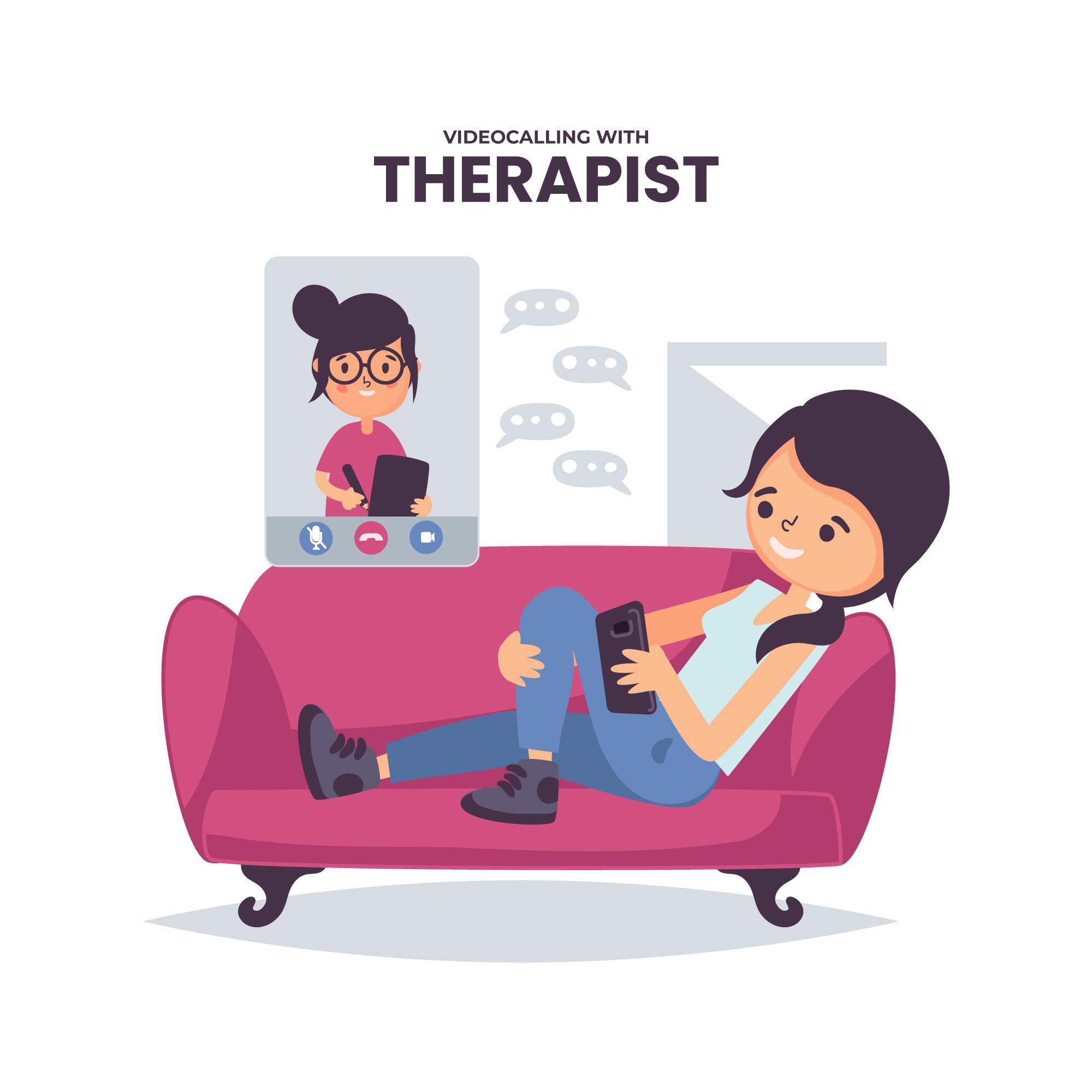
With the rise of digital mental health services, online CBT therapy has become more accessible. Many licensed therapists now offer virtual sessions. Research shows that online Cognitive Behavioral Therapy can be as effective as face to face therapy for many individuals.
There are also guided self help CBT programs and mental health apps that teach core CBT techniques. While self help can be useful for mild symptoms, moderate to severe depression usually requires support from a trained mental health professional.
If you are searching for depression treatment near me, you can look for licensed psychologists, clinical psychologists, or psychiatrists who specialize in Cognitive Behavioral Therapy. Always ensure that the therapist is qualified and experienced in treating depressive disorders.
How Long Does CBT Take to Work
CBT is considered a short term therapy, but results vary from person to person. Some individuals notice improvement within a few weeks. Others may need several months. Most structured CBT programs last between 12 and 20 sessions.
Consistency is important. Homework assignments, such as practicing thought records or scheduling activities, play a key role in recovery. The more actively you participate, the better the outcome. Studies suggest that people who complete the full course of therapy experience more lasting improvement.
CBT does not promise instant happiness. It teaches skills that gradually strengthen emotional resilience. With practice, many individuals report better mood stability, improved self confidence, and stronger problem solving abilities.
Benefits of Cognitive Behavioral Therapy for Depression
Cognitive Behavioral Therapy offers several benefits. It is structured and goal focused, which helps many people feel a sense of direction. It is time limited, making it practical for those who prefer a clear treatment plan. It provides tools that can be used for life.
CBT has strong scientific support. Decades of research confirm its effectiveness for depression treatment. It reduces symptoms, improves daily functioning, and lowers relapse risk. It can be combined safely with medication when needed.
Another major benefit is empowerment. Instead of feeling controlled by depression, you learn to manage your thoughts and behaviors. This sense of control often increases hope and motivation.
When to Seek Professional Help for Depression
If you experience persistent sadness, loss of interest, sleep changes, appetite changes, fatigue, feelings of worthlessness, or thoughts of self harm, it is important to seek professional help. Early intervention improves recovery outcomes.
A licensed mental health professional can assess whether you meet criteria for major depressive disorder and recommend the best treatment plan. Cognitive Behavioral Therapy is often one of the first recommended options because of its strong evidence base and practical approach.
Depression is not a sign of weakness. It is a medical and psychological condition that can be treated effectively. With the right support, recovery is possible.
FAQs About Cognitive Behavioral Therapy for Depression
Is CBT better than medication for depression
For mild to moderate depression, CBT can be as effective as antidepressants. For severe depression, a combination of therapy and medication is often recommended for best results.
How many CBT sessions are needed for depression
Most people benefit from 12 to 20 sessions, but the exact number depends on symptom severity and individual progress.
Can CBT cure depression permanently
CBT does not guarantee permanent cure, but it significantly reduces symptoms and lowers relapse risk by teaching coping skills that can be used long term.
Is online CBT effective
Research shows that online CBT therapy can be effective, especially for mild to moderate depression, when guided by a qualified therapist.
Who should not use CBT
CBT is suitable for most people, but individuals with severe cognitive impairment or active psychosis may require additional or alternative treatment approaches.
Cognitive Behavioral Therapy for depression remains one of the most trusted, research supported, and practical treatments available. By changing negative thinking patterns and encouraging positive action, it helps people regain control over their mental health and build a more balanced life.




Leave a Reply