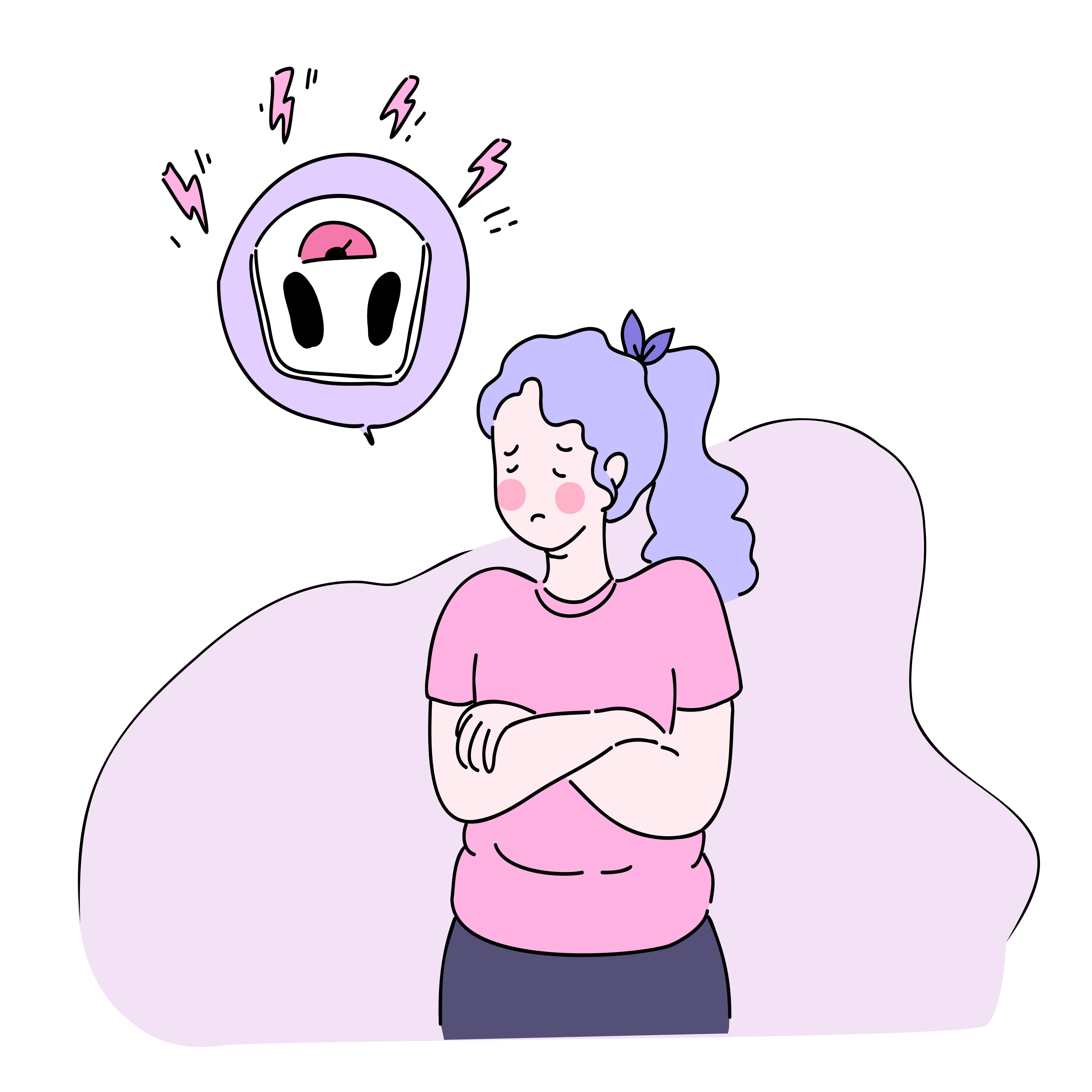
Understanding the Link Between Depression and Weight Gain or Weight Loss
Depression and weight changes are closely connected. Many people notice sudden weight gain or unexplained weight loss when they are struggling with depression. This is not just about emotional eating or skipping meals. Mental health and body weight are deeply linked through hormones, brain chemicals, appetite signals, and lifestyle habits. Research shows that people with major depressive disorder often experience significant changes in appetite, metabolism, and energy levels.
Depression affects how the brain regulates hunger and fullness. It can increase cravings for high calorie foods or completely reduce interest in eating. At the same time, low motivation and fatigue can reduce physical activity. Over time, this imbalance can lead to noticeable changes on the weighing scale. Understanding this connection is important for both mental health recovery and healthy weight management.
How Depression Affects Appetite and Body Weight
Depression changes the balance of neurotransmitters like serotonin, dopamine, and norepinephrine. These brain chemicals influence mood, sleep, and appetite. When serotonin levels drop, people may crave carbohydrate rich foods because carbs temporarily increase serotonin levels. This can lead to emotional eating and weight gain.
On the other hand, some people lose their appetite completely. Food may taste bland, and eating can feel like a task. In such cases, unintentional weight loss becomes common. Studies published in psychiatric research journals show that appetite disturbance is one of the core symptoms of clinical depression. This is why doctors often ask about eating patterns when diagnosing depression.
Hormones also play a role. Depression increases cortisol, the stress hormone. High cortisol levels are linked to belly fat, increased cravings, and metabolic changes. Chronic stress and depression together can make weight control more difficult.
Depression and Weight Gain: Why It Happens
Weight gain during depression is common, especially in long term or chronic depression. One major reason is emotional eating. Food becomes a source of comfort when someone feels sad, lonely, or hopeless. Sugary and processed foods activate the brain reward system, giving temporary relief.
Another reason is low energy and reduced movement. Depression often causes fatigue, body aches, and lack of motivation. Regular exercise may stop completely. When calorie intake increases and physical activity decreases, weight gain becomes almost unavoidable.
Sleep disturbance also contributes to weight gain. Depression can cause insomnia or oversleeping. Poor sleep affects hunger hormones like ghrelin and leptin. Ghrelin increases hunger, while leptin signals fullness. Sleep imbalance disrupts these hormones, increasing appetite and cravings.
Certain antidepressant medications may also lead to weight gain in some individuals. Not everyone experiences this, but it is a known side effect of some commonly prescribed medicines. A doctor can adjust medication if weight gain becomes concerning.
Depression and Weight Loss: Why Some People Lose Weight
While many people gain weight, others experience rapid weight loss with depression. Loss of interest in food is common. Meals may be skipped, portion sizes shrink, and appetite reduces drastically. Severe depression can even lead to forgetting to eat.
Depression also affects digestion and metabolism. Chronic stress can reduce digestive efficiency and change how the body processes nutrients. In some cases, people become more restless and anxious, which increases energy expenditure and contributes to weight loss.
Unintentional weight loss can be a warning sign of severe depression. If someone loses a significant amount of weight without trying, it is important to seek medical advice. Doctors may screen for depression along with other medical causes like thyroid disorders or gastrointestinal issues.
The Role of Stress, Cortisol and Belly Fat
Stress and depression often go together. When stress becomes chronic, the body stays in fight or flight mode. This increases cortisol levels. High cortisol encourages fat storage, especially around the abdomen. This is why many people notice belly fat during prolonged emotional stress.
Cortisol also increases cravings for high sugar and high fat foods. These foods provide quick energy but contribute to long term weight gain. Scientific research shows that people with chronic stress and depression have higher risks of obesity and metabolic syndrome.
Managing stress through therapy, meditation, regular sleep, and physical activity can help regulate cortisol levels. Even simple breathing exercises can reduce stress hormones over time.
Emotional Eating and Binge Eating in Depression
Emotional eating is a coping mechanism. Instead of eating because of physical hunger, people eat to manage emotions. Depression can trigger binge eating episodes, where large amounts of food are consumed in a short period of time.
This pattern can lead to feelings of guilt and shame, which may worsen depression. It becomes a cycle. Sadness leads to overeating, overeating leads to guilt, and guilt deepens sadness.
Cognitive behavioral therapy has shown strong results in breaking this cycle. Therapy helps identify emotional triggers and replace unhealthy eating habits with healthier coping strategies.
Can Losing Weight Improve Depression
Research suggests that moderate weight loss through healthy lifestyle changes can improve mood in some individuals. Exercise plays a key role. Physical activity releases endorphins, which are natural mood boosters. Even a 30 minute walk can reduce symptoms of depression.
Balanced nutrition also supports brain health. Diets rich in fruits, vegetables, whole grains, lean protein, and omega 3 fatty acids are linked with lower depression rates. Processed foods and high sugar diets are associated with higher risk of depression.
However, weight loss alone is not a cure for depression. Mental health treatment such as therapy, counseling, and medication when needed remains essential.
Antidepressants and Weight Changes
Some antidepressants may cause weight gain, while others may have minimal impact or even lead to slight weight loss. The effect varies from person to person. It depends on the specific medication, dosage, and individual body chemistry.
Weight changes due to medication can be managed. Doctors may adjust the prescription, suggest lifestyle modifications, or monitor progress regularly. It is important not to stop medication without medical advice, even if weight gain occurs.
Healthy Ways to Manage Weight During Depression
Managing weight while dealing with depression requires patience and self compassion. Strict dieting is not recommended because it can increase stress and worsen mood.
Start with small changes. Eat regular balanced meals even if appetite is low. Include protein, fiber, and healthy fats to stabilize blood sugar levels. Drink enough water. Avoid long gaps between meals.
Gentle physical activity such as walking, yoga, or stretching can improve mood and metabolism. Sleep hygiene is equally important. Aim for consistent sleep timing and reduce screen time before bed.
Most importantly, seek professional help if symptoms persist. A mental health professional can create a treatment plan that addresses both depression and weight concerns.
When to See a Doctor
Medical help is necessary if weight changes are rapid or extreme. Sudden weight loss, rapid weight gain, severe fatigue, or persistent sadness lasting more than two weeks should not be ignored.
Doctors may conduct blood tests to rule out thyroid problems, vitamin deficiencies, or hormonal imbalances. Early diagnosis improves recovery outcomes.
Depression is a treatable condition. With the right support, mood and weight can both stabilize over time.
Frequently Asked Questions
Can depression cause rapid weight gain
Yes, depression can cause rapid weight gain due to emotional eating, hormonal imbalance, high cortisol levels, reduced physical activity, and sleep disturbance.
Why do some people lose weight during depression
Loss of appetite, low interest in food, digestive changes, and severe emotional distress can lead to unintentional weight loss.
Does treating depression help with weight management
Yes, effective treatment such as therapy, medication, and lifestyle changes can stabilize appetite, improve energy levels, and support healthy weight control.
How much weight change is concerning
If someone gains or loses more than five percent of their body weight within a few months without trying, it is advisable to consult a healthcare professional.
Can stress belly fat be reversed
Yes, reducing stress, improving sleep, regular exercise, and balanced nutrition can gradually lower cortisol levels and reduce abdominal fat.
Depression and weight changes are interconnected in complex ways. Understanding this link helps reduce guilt and self blame. With proper mental health care, balanced nutrition, physical activity, and medical guidance, both mood and weight can improve steadily.





Leave a Reply