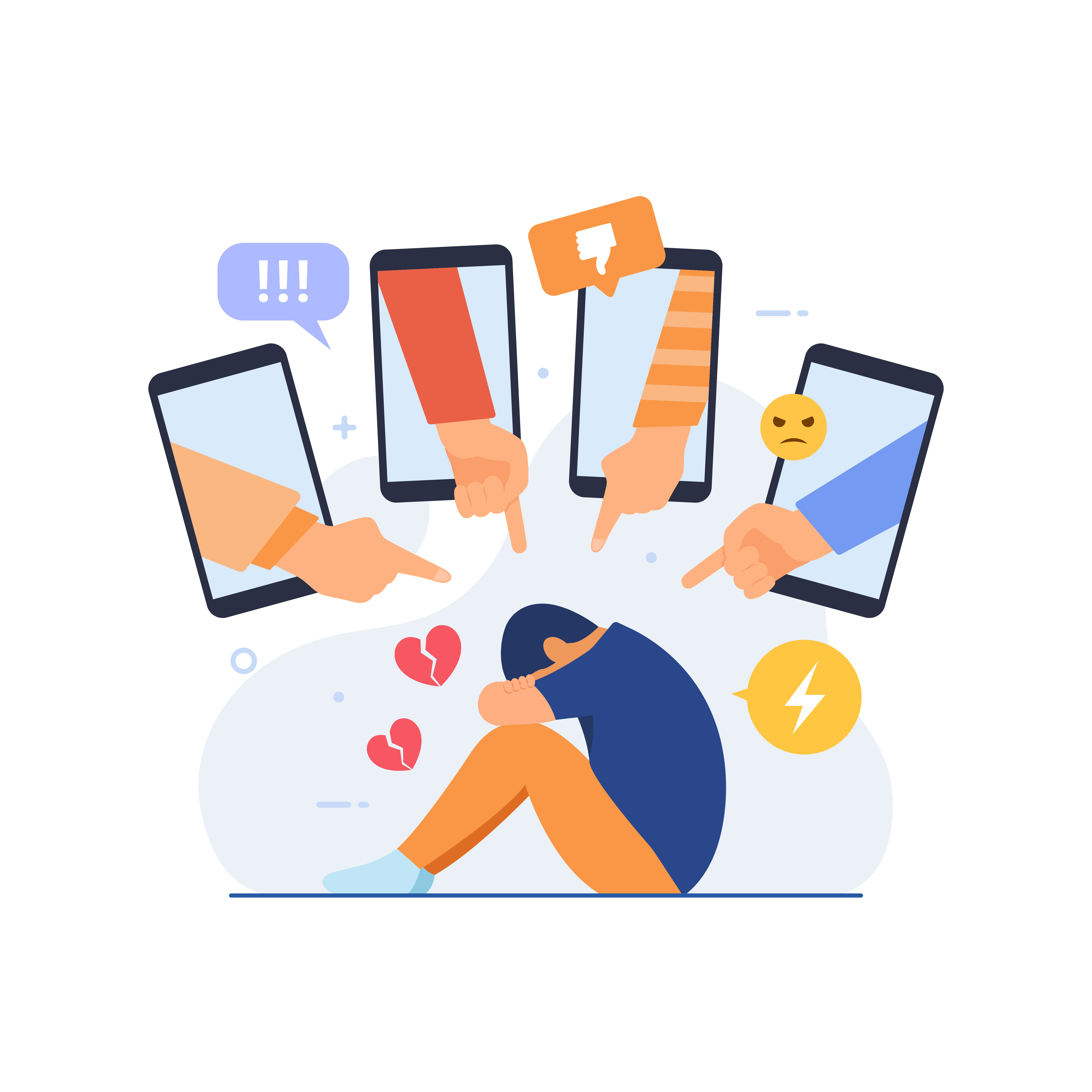
How Cyberbullying Causes Depression, Anxiety and Long Term Emotional Trauma
Online bullying is becoming one of the biggest mental health concerns in the digital age. With the rise of social media platforms like Instagram, Facebook, Snapchat and online gaming communities, cyberbullying has increased sharply among teenagers and even adults. Many people search for terms like cyberbullying effects, online harassment mental health, depression due to social media and how to deal with online bullying because the problem is growing fast.
Cyberbullying is not just teasing. It includes repeated online harassment, spreading rumors, posting embarrassing content, sending threatening messages or intentionally excluding someone from online groups. Research shows that the psychological impact of online bullying can be as harmful as physical bullying and sometimes even worse because it follows the person everywhere through their phone.
In this blog, you will understand how online bullying and depression are connected, what science says about its mental health effects and how to protect yourself or someone you care about.
What Is Online Bullying or Cyberbullying
Online bullying, also called cyberbullying, happens when someone uses digital platforms to hurt, shame or threaten another person repeatedly. It can happen through social media, messaging apps, gaming chats, emails or even anonymous websites.
Unlike traditional bullying, cyberbullying does not stop when school ends or when a person goes home. The harmful messages and comments remain online, which increases stress and emotional pain. According to research published in JAMA Pediatrics, victims of cyberbullying are more likely to experience depression, anxiety and suicidal thoughts compared to those who are not bullied online.
Because of smartphones and constant internet access, many young people feel there is no escape. This continuous exposure increases the risk of mental health problems.
How Online Bullying Leads to Depression
Depression is more than feeling sad. It is a serious mental health condition that affects thoughts, emotions, sleep, appetite and energy levels. When someone is bullied online, their brain reacts to it as a real threat. The body releases stress hormones like cortisol, which increase anxiety and emotional pain.
Repeated negative comments such as body shaming, character attacks or public humiliation can slowly damage self esteem. Over time, the person may start believing the hurtful words. This can lead to low confidence, social withdrawal and feelings of hopelessness, which are core symptoms of depression.
A large study by the Cyberbullying Research Center found that victims of cyberbullying are almost twice as likely to attempt suicide compared to those who are not bullied. This shows how serious the link between cyberbullying and depression really is.
The Psychological Effects of Cyberbullying
The mental health effects of online bullying go beyond sadness. Many victims experience severe anxiety, panic attacks and constant fear of checking their phone. Some develop sleep problems because they worry about what new messages or posts might appear.
Social media bullying also increases the risk of social isolation. People may delete their accounts, avoid friends or stop attending school or work events. This isolation further worsens depression because human connection is important for emotional health.
Brain imaging studies show that social rejection activates the same areas of the brain as physical pain. This means emotional abuse online can literally hurt in a neurological way. That is why many victims describe the pain as unbearable.
Signs of Depression Due to Online Bullying
Recognizing early warning signs is important. If someone is facing online harassment, they may show sudden changes in mood. They may become irritable, withdrawn or unusually quiet. Loss of interest in hobbies, declining academic performance and frequent headaches or stomach aches can also be warning signs.
Other common symptoms include changes in sleep patterns, loss of appetite, excessive crying, low energy and feelings of worthlessness. In severe cases, the person may talk about death or self harm. These signs should never be ignored.
Parents, teachers and friends should pay attention to changes in behavior, especially if the person spends long hours online and appears distressed after using social media.
Why Social Media Makes Cyberbullying More Harmful
Social media platforms increase the impact of bullying because of public visibility. A hurtful comment in front of hundreds of followers feels more humiliating than a private insult. The number of likes and shares can make the victim feel that many people agree with the bully.
Another factor is anonymity. Many bullies hide behind fake profiles, which makes them more aggressive. Victims may not even know who is targeting them, which increases fear and helplessness.
The constant comparison culture on social media also worsens mental health. When someone is already feeling attacked, seeing filtered images and seemingly perfect lives of others can increase feelings of inadequacy and depression.
Online Bullying and Teenage Depression
Teenagers are especially vulnerable because their brains are still developing. During adolescence, the brain areas responsible for emotional regulation and impulse control are not fully mature. This makes teenagers more sensitive to social rejection.
According to the World Health Organization, depression is one of the leading causes of illness and disability among adolescents worldwide. Studies show that teens who experience cyberbullying are significantly more likely to report depressive symptoms, anxiety and low self worth.
Teenage mental health is deeply connected to peer approval. When bullying happens in digital spaces where social validation is measured by followers and likes, the emotional damage can be intense.
Long Term Effects of Cyberbullying on Mental Health
If online bullying continues for a long time without support, it can cause chronic depression and long term emotional trauma. Some adults who were bullied in their teenage years report ongoing trust issues, social anxiety and difficulty forming relationships.
Chronic stress from online harassment can also increase the risk of other mental health disorders such as post traumatic stress symptoms. The brain becomes more sensitive to future stress, making the person more vulnerable to anxiety disorders later in life.
Early intervention is important because untreated depression can affect education, career growth and overall quality of life.
How to Deal with Online Bullying and Protect Mental Health
If you are facing cyberbullying, the first step is not to respond emotionally. Bullies often seek attention and reaction. Save screenshots as evidence and block the person immediately. Most social media platforms have reporting tools that allow users to report abusive behavior.
Talk to someone you trust. Sharing your experience with a parent, friend, teacher or counselor reduces emotional burden. Social support is one of the strongest protective factors against depression.
Limit screen time if social media is triggering stress. Digital detox breaks can reduce anxiety levels and help the brain recover from constant stimulation. Practicing self care activities such as exercise, journaling and mindfulness can also improve mood.
If symptoms of depression persist for more than two weeks or include thoughts of self harm, professional help is necessary. A licensed psychologist or psychiatrist can provide therapy and treatment options such as cognitive behavioral therapy, which is proven to reduce depression and anxiety.
Role of Parents and Schools in Preventing Cyberbullying
Parents should create open communication at home. Instead of banning devices, it is better to educate children about safe internet use and emotional boundaries. Regular conversations about online experiences help children feel safe sharing problems.
Schools can organize awareness programs on cyber safety and mental health. Anti bullying policies should include digital behavior guidelines. When schools take online harassment seriously, students feel protected and supported.
Building emotional intelligence and empathy in children can reduce bullying behavior. Teaching kindness and digital responsibility from an early age is one of the best preventive strategies.
When to Seek Immediate Help
If someone expresses suicidal thoughts, talks about self harm or shows extreme withdrawal, immediate support is critical. Contact a mental health professional or local emergency services without delay. Suicide prevention helplines are available in many countries and can provide confidential support.
Depression caused by online bullying is treatable. With therapy, emotional support and healthy coping strategies, recovery is possible. No one should suffer in silence.
Conclusion
Online bullying and depression are closely linked. Cyberbullying can damage self esteem, increase anxiety and lead to serious mental health disorders. Scientific research clearly shows that repeated online harassment changes brain responses to stress and increases the risk of depression and suicidal thoughts.
Understanding the warning signs, promoting digital safety and encouraging open conversations can reduce harm. If you or someone you know is struggling, reaching out for help is a sign of strength. Mental health matters as much as physical health, and everyone deserves respect and safety online.
Frequently Asked Questions
Can cyberbullying cause depression
Yes. Research shows that repeated online harassment increases the risk of depression, anxiety and suicidal thoughts, especially in teenagers and young adults.
How long does depression from bullying last
It depends on the severity and support received. With proper emotional support and therapy, many people recover. Without help, symptoms can last for months or even years.
What are the first signs of cyberbullying trauma
Common early signs include mood changes, social withdrawal, sleep problems, fear of checking social media and sudden drop in academic or work performance.
How can parents protect children from online bullying
Parents can maintain open communication, monitor online activity responsibly, teach digital safety rules and encourage children to report abusive behavior immediately.




Leave a Reply