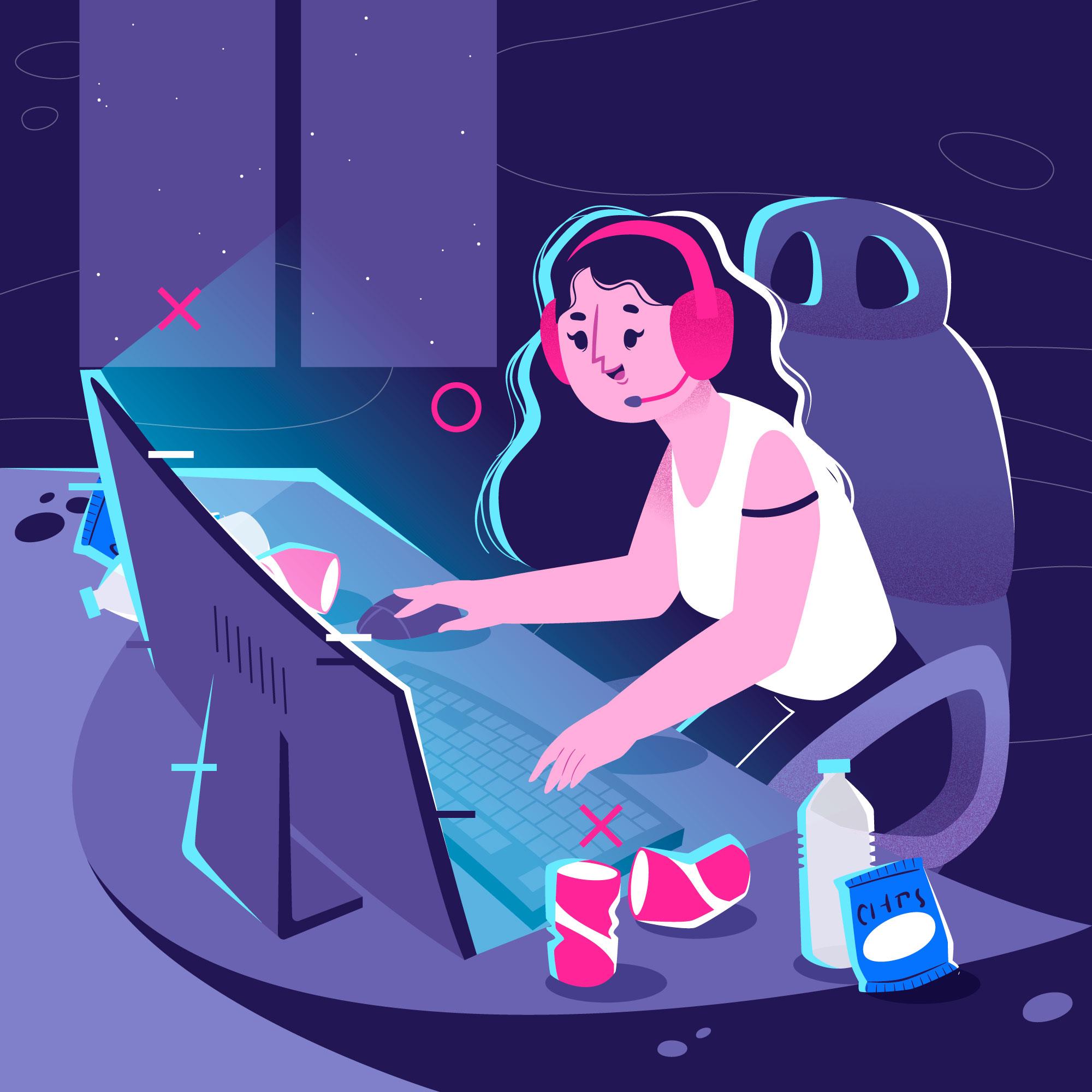
Understanding the Link Between Gaming Addiction and Depression
Gaming addiction and depression are two serious mental health concerns that are increasingly connected. With the rise of online gaming, mobile games and multiplayer platforms, more people are spending long hours in front of screens. While gaming can be fun and relaxing, excessive gaming can lead to emotional problems, social withdrawal and even clinical depression.
According to the World Health Organization, gaming disorder is officially recognized as a mental health condition. Research published in journals like JAMA Psychiatry and Computers in Human Behavior shows that people who spend excessive time gaming are at a higher risk of anxiety, depression and poor sleep quality. The connection is complex. Sometimes gaming addiction leads to depression, and in other cases people with depression turn to gaming as an escape.
Understanding this link is important for parents, teenagers, young adults and anyone concerned about mental health.
What Is Gaming Addiction or Gaming Disorder
Gaming addiction, also known as gaming disorder or internet gaming disorder, is a behavioral addiction. It happens when a person loses control over gaming habits and continues playing despite negative consequences in daily life. This may include poor academic performance, job problems, relationship conflicts or health issues.
The American Psychiatric Association describes internet gaming disorder as a condition where gaming becomes a priority over other interests and responsibilities. The person feels restless, irritated or anxious when not gaming. They may lie about gaming time and struggle to reduce screen time even when they want to.
Brain imaging studies show that gaming addiction affects the reward system of the brain. Dopamine, a chemical linked to pleasure and motivation, is released during gaming. Over time, the brain may start craving gaming in the same way it craves other addictive behaviors.
What Is Depression and How It Develops
Depression is more than just sadness. It is a mood disorder that affects how a person thinks, feels and behaves. Common symptoms include low mood, loss of interest in activities, fatigue, changes in sleep, appetite changes and difficulty concentrating. In severe cases, depression can lead to hopelessness and thoughts of self harm.
Scientific research shows that depression involves changes in brain chemistry, especially serotonin, dopamine and norepinephrine. Genetics, stressful life events, trauma and social isolation can increase the risk. Teen depression and young adult depression are rising globally, and excessive screen time is being studied as one of the contributing factors.
When gaming becomes the main source of comfort or escape, it can hide the early signs of depression. This makes it harder to seek timely help.
How Gaming Addiction Can Lead to Depression
Many studies have found a strong link between excessive gaming and depression symptoms. Spending long hours gaming often leads to poor sleep, reduced physical activity and less face to face social interaction. These lifestyle changes directly affect mental health.
Sleep deprivation caused by late night gaming disrupts mood regulation. Research shows that lack of sleep increases the risk of anxiety and depression. Physical inactivity also reduces the release of endorphins, which are natural mood boosters.
Social isolation is another factor. Online gaming may create virtual connections, but it cannot fully replace real world relationships. Over time, loneliness can increase feelings of sadness and low self worth. Academic failure or poor work performance due to gaming can further reduce confidence and increase depressive thoughts.
Can Depression Cause Gaming Addiction
The relationship between gaming addiction and depression works both ways. People who already feel lonely, stressed or depressed may use gaming as a coping mechanism. Video games provide temporary relief, distraction and a sense of achievement. Winning levels and earning rewards can give short term happiness.
However, this relief is temporary. When the game ends, real life problems remain. This can create a cycle where the person plays more to avoid negative emotions. Over time, this pattern can turn into compulsive gaming behavior.
Psychologists call this maladaptive coping. Instead of solving problems or seeking support, the person escapes into a virtual world. This increases emotional dependence on gaming and worsens underlying depression.
Signs and Symptoms of Gaming Addiction and Depression
Recognizing the warning signs early can prevent serious mental health problems. Common symptoms of gaming addiction include playing for many hours daily, neglecting responsibilities, lying about gaming time, losing interest in hobbies and feeling angry when interrupted.
Symptoms of depression linked to excessive gaming may include constant tiredness, lack of motivation, mood swings, low self esteem, changes in appetite and difficulty focusing. Teenagers may show irritability instead of sadness. Parents might notice declining grades and social withdrawal.
If gaming is affecting sleep patterns, physical health and emotional stability, it is important to take it seriously. Ignoring these signs can allow the condition to worsen.
Effects of Gaming Addiction on Mental Health and Brain
Excessive screen time affects both the brain and body. Brain scans suggest that heavy gamers show changes in areas related to impulse control and decision making. This makes it harder to stop gaming even when aware of the consequences.
Chronic stress from competitive gaming can increase cortisol levels. High cortisol over time is linked to anxiety and depression. Long gaming sessions also reduce exposure to sunlight, which affects vitamin D levels and mood regulation.
Mental health experts also warn about increased risk of social anxiety. When someone becomes comfortable only in virtual environments, real world communication may feel difficult. This can deepen isolation and depressive symptoms.
Impact on Teenagers and Young Adults
Teen gaming addiction is a growing concern. Adolescents are more vulnerable because their brains are still developing. The prefrontal cortex, responsible for impulse control and decision making, matures later in life. This makes teens more likely to develop addictive behaviors.
Research from countries like South Korea and the United States shows higher rates of depression among teenagers who spend more than five hours daily on video games. Academic stress combined with excessive gaming can increase emotional burnout.
Young adults who struggle with unemployment or social pressure may also use gaming as an escape. Over time, this can reduce motivation to pursue real life goals, leading to frustration and depressive thoughts.
How to Overcome Gaming Addiction and Depression
Recovery is possible with the right approach. The first step is awareness. Tracking daily screen time and identifying emotional triggers can help understand the pattern. Setting clear time limits for gaming and creating a balanced daily routine are practical starting points.
Cognitive behavioral therapy is one of the most effective treatments for both gaming addiction and depression. It helps individuals change negative thought patterns and develop healthy coping skills. Studies show that therapy improves mood and reduces compulsive behaviors.
Physical exercise plays a powerful role in recovery. Regular activity increases serotonin and dopamine naturally, improving mood. Even a thirty minute walk daily can make a difference. Building real life social connections is equally important.
In severe cases, a mental health professional may recommend medication for depression. Support from family and friends increases the chances of long term recovery.
Healthy Gaming Habits and Prevention Tips
Gaming does not need to be completely avoided. Healthy gaming habits can prevent addiction. Setting specific time limits, avoiding late night gaming and taking regular breaks protect both physical and mental health.
Parents should encourage open communication rather than strict punishment. Talking about online experiences and emotional well being builds trust. Creating tech free zones at home and promoting hobbies like sports, reading or music can reduce excessive gaming.
Digital detox periods can reset the brain’s reward system. Spending time outdoors, improving sleep hygiene and practicing mindfulness also support emotional balance.
When to Seek Professional Help
Professional help is necessary if gaming interferes with daily life or if depressive symptoms last more than two weeks. Warning signs such as persistent sadness, social withdrawal, severe sleep problems or thoughts of self harm require immediate attention.
Psychologists, psychiatrists and licensed therapists are trained to assess gaming disorder and depression. Early intervention improves outcomes and prevents complications. Mental health is as important as physical health, and seeking help is a sign of strength.
Frequently Asked Questions
How many hours of gaming is considered addiction
There is no exact number, but gaming becomes a problem when it interferes with school, work, relationships and health. Loss of control and continued gaming despite negative effects are key warning signs.
Can video games cause depression
Excessive gaming can increase the risk of depression, especially when it leads to sleep loss, social isolation and poor lifestyle habits. Moderate gaming with balance is usually not harmful.
Is gaming addiction a real mental health disorder
The World Health Organization recognizes gaming disorder as a mental health condition. It involves impaired control over gaming and prioritizing gaming over other activities.
How can parents help a child with gaming addiction
Parents can set healthy screen time limits, encourage open communication and promote offline activities. Seeking guidance from a mental health professional may be necessary in severe cases.
Can depression improve after reducing gaming time
Yes, many people experience improved mood, better sleep and increased motivation after reducing excessive gaming. However, professional treatment may be needed if depression is severe.
Gaming addiction and depression are closely linked mental health challenges. With awareness, balanced habits and timely support, individuals can regain control and improve emotional well being. Prioritizing mental health creates a stronger foundation for long term happiness and personal growth.




Leave a Reply