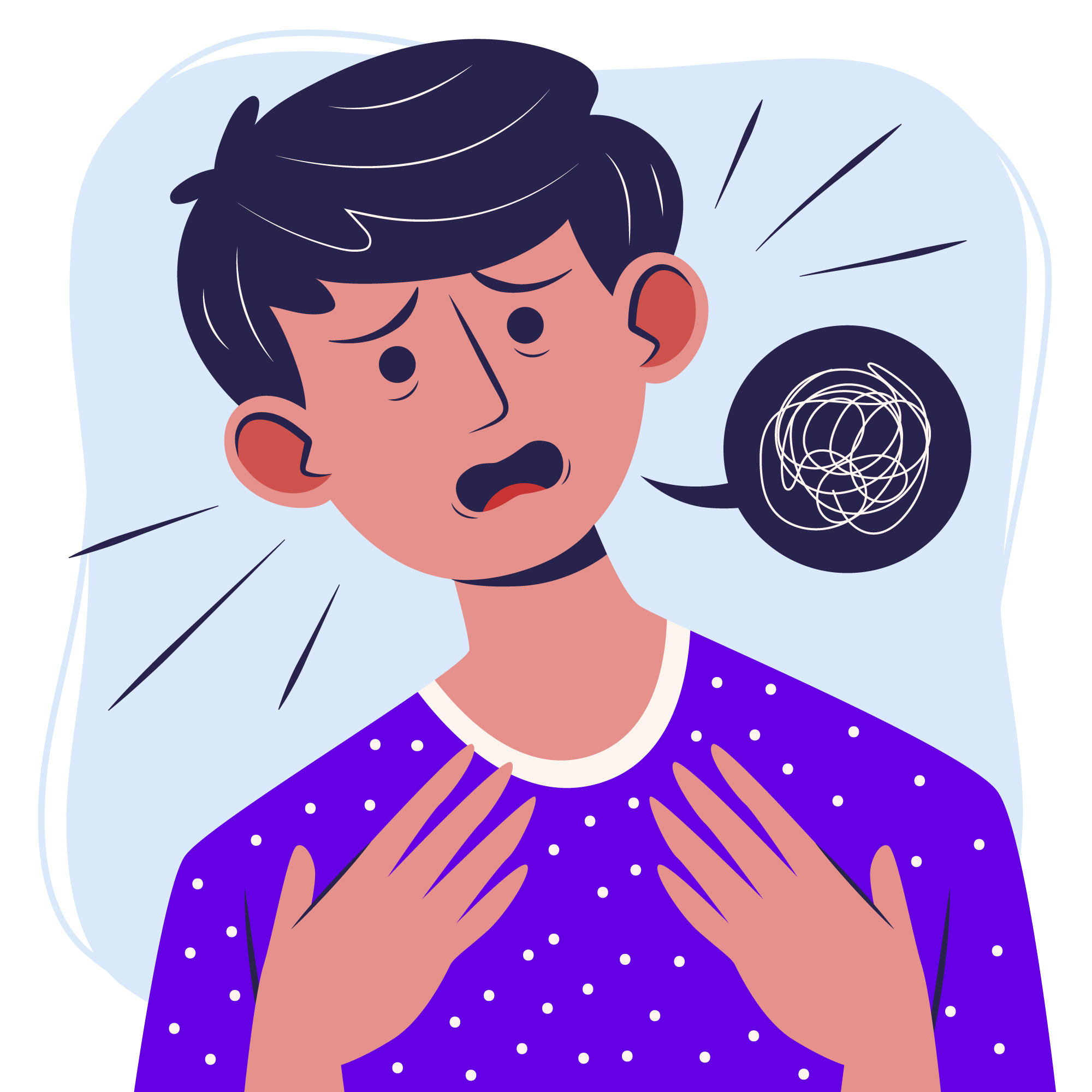
Early Signs and Symptoms of Anxiety Disorder You Should Never Ignore
Anxiety is a normal human emotion. Everyone feels nervous before an exam, interview, or important life event. But when worry becomes constant, intense, and difficult to control, it may be more than everyday stress. It could be an anxiety disorder. Understanding the early signs and symptoms of anxiety disorder can help you seek timely support and prevent long term mental health complications.
According to the World Health Organization, anxiety disorders are among the most common mental health conditions worldwide. Research shows that early identification and treatment significantly improve recovery outcomes. This blog explains the early symptoms, physical and emotional warning signs, causes, risk factors, and when to seek professional help.
What Is Anxiety Disorder
An anxiety disorder is a mental health condition where excessive fear, worry, or nervousness interferes with daily life. It is not just overthinking or being sensitive. It involves persistent anxiety that lasts for weeks or months and affects work, relationships, and physical health.
There are different types of anxiety disorders such as Generalized Anxiety Disorder, Panic Disorder, Social Anxiety Disorder, and specific phobias. Although the symptoms may vary, they often share common early warning signs that should not be ignored.
Early Emotional Symptoms of Anxiety
One of the first signs of anxiety disorder is constant worry. This worry feels uncontrollable and often shifts from one topic to another. You may find yourself expecting the worst even in normal situations. Studies published in psychiatric research journals show that people with generalized anxiety experience excessive worry on most days for at least six months.
Another early sign is feeling restless or on edge. You may feel like something bad is about to happen even when there is no real danger. Irritability is also common. Small issues may trigger strong emotional reactions. Difficulty concentrating is another symptom. Anxiety keeps the brain in alert mode, making it hard to focus on tasks or remember things clearly.
Sleep problems are often among the earliest warning signs. You may struggle to fall asleep, wake up frequently, or wake up feeling tired. Research shows that anxiety and insomnia are strongly connected. Poor sleep can further worsen anxiety symptoms, creating a cycle.
Physical Symptoms of Anxiety Disorder
Anxiety is not only in the mind. It strongly affects the body. When the brain senses danger, it activates the fight or flight response. This releases stress hormones like adrenaline and cortisol. While this response is helpful during real danger, constant activation can cause physical symptoms.
Common early physical symptoms include a racing heart, sweating, trembling, and shortness of breath. Some people feel chest tightness or discomfort. These symptoms can be frightening and sometimes mistaken for heart problems.
Digestive issues are also common. You may experience nausea, stomach pain, bloating, or frequent bathroom visits. The gut and brain are closely connected through the gut brain axis. Research confirms that chronic anxiety can disrupt digestion and cause irritable bowel symptoms.
Muscle tension is another sign. Many people with anxiety unconsciously tighten their shoulders, jaw, or neck. This can lead to headaches and body pain. Feeling constantly tired even after rest is also common because the body remains in a state of alertness.
Behavioral Changes Linked to Anxiety
Early anxiety disorder symptoms often appear in behavior. Avoidance is a key sign. You may start avoiding places, people, or situations that make you anxious. For example, someone with social anxiety may avoid gatherings or public speaking. Over time, avoidance can limit daily life and reduce opportunities.
Reassurance seeking is another behavior. You may repeatedly ask others if everything is okay or if you did something wrong. While reassurance gives temporary relief, it strengthens anxiety in the long run.
Procrastination can also increase. Anxiety about failure or judgment may cause delays in starting tasks. Some people become overly perfectionistic, fearing mistakes. Others may turn to unhealthy coping mechanisms such as excessive phone use, overeating, or substance use.
Panic Attacks as an Early Warning Sign
For some people, anxiety disorder begins with panic attacks. A panic attack is a sudden episode of intense fear that peaks within minutes. Symptoms include rapid heartbeat, dizziness, sweating, shaking, chest pain, and fear of losing control.
Scientific studies show that panic attacks are linked to sudden activation of the nervous system. Even though they feel life threatening, they are not dangerous. However, repeated panic attacks can lead to Panic Disorder, where the person constantly fears having another attack.
Causes and Risk Factors of Anxiety Disorder
Anxiety disorders develop due to a combination of biological, psychological, and environmental factors. Genetics play a role. Research indicates that people with a family history of anxiety are more likely to develop it.
Brain chemistry also matters. Imbalances in neurotransmitters like serotonin, dopamine, and gamma aminobutyric acid can affect mood and anxiety levels. Stressful life events such as loss of a loved one, trauma, financial stress, or health problems can trigger symptoms.
Personality traits such as high sensitivity, perfectionism, or low self confidence may increase risk. Chronic medical conditions and thyroid problems can also contribute to anxiety symptoms. Hormonal changes during pregnancy or menopause may increase vulnerability.
Difference Between Normal Anxiety and Anxiety Disorder
It is important to understand the difference between everyday stress and anxiety disorder. Normal anxiety is temporary and linked to a specific situation. It reduces once the situation passes. Anxiety disorder is persistent, excessive, and disproportionate to the situation.
If worry lasts most days for several months, causes sleep problems, affects appetite, or interferes with work and relationships, it may be a disorder. Early diagnosis by a mental health professional is important because untreated anxiety can increase the risk of depression and other mental health conditions.
When to Seek Professional Help
You should consider seeking help if anxiety feels uncontrollable, lasts more than a few weeks, or causes significant distress. If you experience frequent panic attacks, constant physical symptoms, or avoidance that affects daily life, professional support is recommended.
Cognitive Behavioral Therapy is one of the most effective treatments for anxiety disorders. Research shows that CBT helps identify and change negative thought patterns. Medications such as selective serotonin reuptake inhibitors may also be prescribed when needed. Treatment plans are personalized based on individual symptoms.
Early treatment improves recovery rates. Ignoring symptoms may lead to worsening anxiety, social withdrawal, and reduced productivity. Seeking help is a sign of strength, not weakness.
How to Manage Early Anxiety Symptoms Naturally
While professional treatment is important for moderate to severe anxiety, early mild symptoms can be managed with healthy lifestyle habits. Regular exercise reduces stress hormones and increases feel good chemicals in the brain. Studies show that even 30 minutes of brisk walking can lower anxiety levels.
Deep breathing and mindfulness techniques calm the nervous system. Practicing slow breathing for a few minutes daily can reduce heart rate and muscle tension. Limiting caffeine and sugary foods may also help because they can increase restlessness and palpitations.
Maintaining a consistent sleep schedule supports mental health. Writing down worries in a journal can reduce mental overload. Talking to a trusted friend or family member provides emotional support and reduces feelings of isolation.
Long Term Impact of Untreated Anxiety Disorder
If left untreated, anxiety disorder can affect multiple areas of life. Chronic anxiety increases the risk of depression, substance abuse, and relationship problems. Long term stress may also impact heart health and immune function.
Research suggests that prolonged exposure to stress hormones can affect memory and cognitive performance. This is why early recognition and intervention are essential. Addressing anxiety early can prevent complications and improve overall quality of life.
Final Thoughts on Early Signs of Anxiety Disorder
Anxiety disorder is common, treatable, and manageable with the right support. Early signs such as constant worry, sleep disturbance, irritability, physical tension, and avoidance should not be ignored. Recognizing symptoms early allows timely intervention and better recovery outcomes.
Mental health is just as important as physical health. If you notice persistent anxiety symptoms in yourself or someone close to you, consider speaking with a qualified mental health professional. Small steps taken early can make a significant difference in long term wellbeing.
Frequently Asked Questions
What are the first signs of anxiety disorder
Early signs include excessive worry, restlessness, sleep problems, irritability, muscle tension, and difficulty concentrating. These symptoms persist for weeks or months and interfere with daily life.
Can anxiety disorder go away on its own
Mild anxiety may improve with lifestyle changes, but persistent anxiety disorder often requires therapy or medical treatment. Early intervention improves outcomes.
How long does anxiety disorder last
Without treatment, symptoms can last for months or years. With proper therapy and support, many people experience significant improvement within a few months.
Is anxiety disorder curable
Anxiety disorder is highly treatable. Many people recover fully with therapy, medication, or a combination of both. Ongoing self care helps maintain long term mental health.
What triggers anxiety disorder
Triggers may include stress, trauma, health issues, genetic factors, hormonal changes, and major life events. Each person may have different triggers.
If you are experiencing symptoms, remember that help is available and recovery is possible. Taking the first step toward understanding anxiety is already a powerful move toward healing.




Leave a Reply