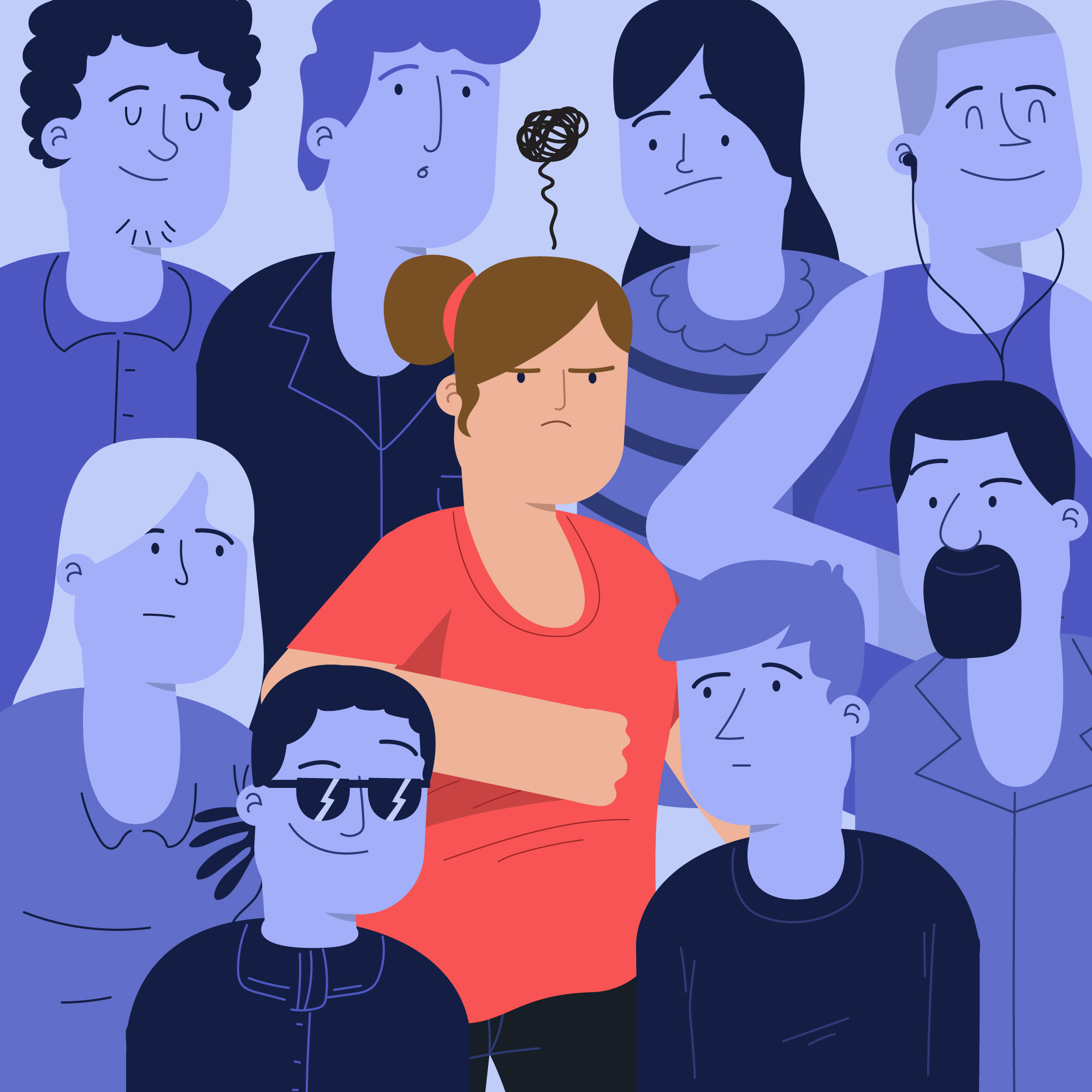
Social Anxiety Disorder is often misunderstood as simple shyness. Many people say they are shy before speaking in public or meeting new people. But social anxiety disorder is much more intense and deeply distressing. It is a serious mental health condition that affects daily life, relationships, education and career growth. According to the American Psychiatric Association and global mental health research, social anxiety disorder is one of the most common anxiety disorders worldwide.
In India and across the globe, awareness about mental health is increasing, but many people still ignore the signs of social anxiety. Understanding its symptoms, causes and treatment options can help individuals seek the right support at the right time.
What Is Social Anxiety Disorder
Social Anxiety Disorder, also known as social phobia, is a mental health condition where a person experiences intense fear of being judged, embarrassed or humiliated in social situations. This fear is not just nervousness. It is persistent, overwhelming and often leads to avoidance of social interaction.
People with social anxiety disorder may fear speaking in meetings, attending parties, eating in public, making phone calls or even talking to authority figures. The anxiety can begin in teenage years and continue into adulthood if not treated. Research shows that it often starts before the age of 20 and can become chronic without proper intervention.
Social Anxiety Disorder vs Shyness
Shyness is a personality trait. A shy person may feel uncomfortable initially but can gradually adjust in social settings. Social anxiety disorder, on the other hand, causes extreme fear that interferes with daily functioning.
Someone with social anxiety may avoid job interviews, skip classes, refuse promotions or decline social invitations because of intense fear. The anxiety is disproportionate to the actual situation. Even small interactions can feel threatening. This difference between normal shyness and social anxiety disorder is important for early diagnosis and treatment.
Common Symptoms of Social Anxiety Disorder
Recognizing social anxiety disorder symptoms is the first step toward recovery. The condition includes emotional, physical and behavioral signs.
Emotionally, a person may feel constant fear of judgment, worry days or weeks before an event, and replay conversations repeatedly in their mind. They may assume others are criticizing them even without evidence.
Physically, symptoms can include rapid heartbeat, sweating, trembling, blushing, nausea, dizziness and shortness of breath. Studies show that the body’s fight or flight response becomes overactive in social anxiety disorder.
Behaviorally, people may avoid eye contact, speak softly, avoid gatherings, or rely on alcohol to cope with social situations. Avoidance strengthens the anxiety cycle and makes the fear worse over time.
Causes of Social Anxiety Disorder
There is no single cause of social anxiety disorder. It usually develops due to a combination of biological, psychological and environmental factors.
Genetics plays a role. Research suggests that anxiety disorders can run in families. If a close family member has social anxiety or another anxiety disorder, the risk increases.
Brain structure also matters. The amygdala, the part of the brain responsible for processing fear, may be overactive in people with social anxiety disorder. Neuroimaging studies show heightened fear responses in social threat situations.
Childhood experiences such as bullying, criticism, rejection or overprotective parenting can increase vulnerability. Negative social experiences during formative years often shape future fear patterns.
Temperament is another factor. Children who are naturally inhibited or highly sensitive may be more prone to developing social anxiety later in life.
How Social Anxiety Affects Daily Life
Social anxiety disorder does not just affect social events. It can impact academic performance, career growth and relationships.
Students may avoid raising their hands in class or participating in group discussions. This can lead to lower academic performance despite having strong knowledge.
At work, employees may avoid presentations, networking or leadership roles. This can limit promotions and professional growth.
In relationships, people with social anxiety may struggle to form close connections. Fear of rejection can prevent dating or building friendships. Over time, isolation can increase the risk of depression.
Global studies show that social anxiety disorder is linked with higher rates of major depressive disorder and substance use disorders. Early treatment reduces these risks significantly.
How Social Anxiety Disorder Is Diagnosed
A mental health professional such as a psychologist or psychiatrist diagnoses social anxiety disorder based on clinical criteria. The fear must be persistent for at least six months and significantly interfere with daily functioning.
Doctors may use structured interviews and standardized questionnaires to assess severity. They also rule out other conditions such as generalized anxiety disorder, panic disorder or medical issues that may cause similar symptoms.
Seeking professional help is important because many people assume their anxiety is just part of their personality and do not seek treatment.
Best Treatment for Social Anxiety Disorder
The good news is that social anxiety disorder is treatable. Evidence based treatments show strong success rates.
Cognitive Behavioral Therapy is considered the gold standard treatment. CBT helps individuals identify negative thought patterns and replace them with realistic and balanced thinking. It also includes gradual exposure to feared social situations, which reduces anxiety over time.
Research published in leading psychiatric journals shows that CBT can significantly reduce social anxiety symptoms and improve quality of life.
Medications are also effective in moderate to severe cases. Selective serotonin reuptake inhibitors are commonly prescribed. These medications help regulate serotonin levels in the brain, which play a role in mood and anxiety regulation.
Sometimes beta blockers are used for performance anxiety, such as public speaking. They help control physical symptoms like rapid heartbeat and shaking.
A combination of therapy and medication often provides the best results.
Self Help Strategies for Social Anxiety
Along with professional treatment, certain self help techniques can support recovery.
Practicing deep breathing and mindfulness can calm the nervous system. Regular exercise reduces stress hormones and improves mood. Maintaining healthy sleep patterns is also essential, as sleep deprivation increases anxiety levels.
Gradual exposure is powerful. Start with small social interactions such as greeting a neighbor or making a short phone call. Celebrate small wins. Over time, confidence builds naturally.
Limiting caffeine can help because caffeine increases heart rate and may worsen anxiety symptoms.
Journaling negative thoughts and challenging them with evidence can reduce irrational fears. For example, asking what is the worst realistic outcome and how often it actually happens.
Can Social Anxiety Disorder Be Cured
Many people wonder if social anxiety disorder can be cured permanently. While some individuals fully recover, others learn to manage symptoms effectively. Early intervention improves outcomes significantly.
Long term studies show that people who complete structured therapy programs experience lasting symptom reduction. The brain has neuroplasticity, meaning it can rewire itself through repeated positive experiences and cognitive changes.
Consistency in treatment and practice is key. Avoidance keeps anxiety alive, while gradual exposure weakens it.
When to Seek Professional Help
If fear of social situations is stopping you from studying, working, forming relationships or enjoying life, it is time to consult a mental health professional. Early treatment prevents complications like depression and substance misuse.
There is no shame in seeking therapy. Mental health conditions are medical conditions, not character flaws. Just like diabetes or hypertension, anxiety disorders require proper care.
If symptoms include panic attacks, severe avoidance or thoughts of hopelessness, immediate professional support is strongly recommended.
Social Anxiety in Children and Teenagers
Social anxiety disorder often begins in childhood or adolescence. Parents may notice that their child avoids school presentations, refuses to attend birthday parties or complains of stomach aches before social events.
Early therapy can prevent long term impairment. Schools and parents should work together to create supportive environments. Encouraging small social steps rather than forcing large exposures helps build confidence gradually.
Breaking the Stigma Around Social Anxiety Disorder
Many people suffer silently because they fear being labeled as weak or antisocial. Education is the first step in breaking stigma. Social anxiety disorder is recognized by major psychiatric organizations worldwide as a legitimate mental health condition.
Open conversations about anxiety, mental health awareness campaigns and accessible therapy services can make a significant difference. The more we normalize mental health discussions, the easier it becomes for individuals to seek help.
Frequently Asked Questions
What triggers social anxiety disorder
Triggers can include public speaking, meeting new people, being observed while eating or working, attending social gatherings, interviews and authority interactions. Triggers vary from person to person depending on past experiences and fear patterns.
Is social anxiety disorder the same as introversion
Introversion is a personality trait where a person prefers quiet environments. Social anxiety disorder involves intense fear and distress in social situations. An introvert can enjoy social interaction without fear, while someone with social anxiety experiences overwhelming anxiety.
How long does social anxiety disorder last
Without treatment, it can last for years. With therapy and medication when needed, many people see significant improvement within a few months. Long term management strategies help maintain progress.
Can social anxiety cause depression
Yes. Chronic social anxiety can lead to isolation and low self esteem, increasing the risk of depression. Early treatment reduces this risk significantly.
What is the best therapy for social anxiety disorder
Cognitive Behavioral Therapy has the strongest scientific support. In moderate to severe cases, medication combined with therapy provides better outcomes.
Social anxiety disorder is more than just shyness. It is a real and treatable mental health condition. With awareness, proper diagnosis and evidence based treatment, individuals can regain confidence and live fulfilling lives. If you or someone you know is struggling, seeking professional help can be the first powerful step toward recovery.




Leave a Reply