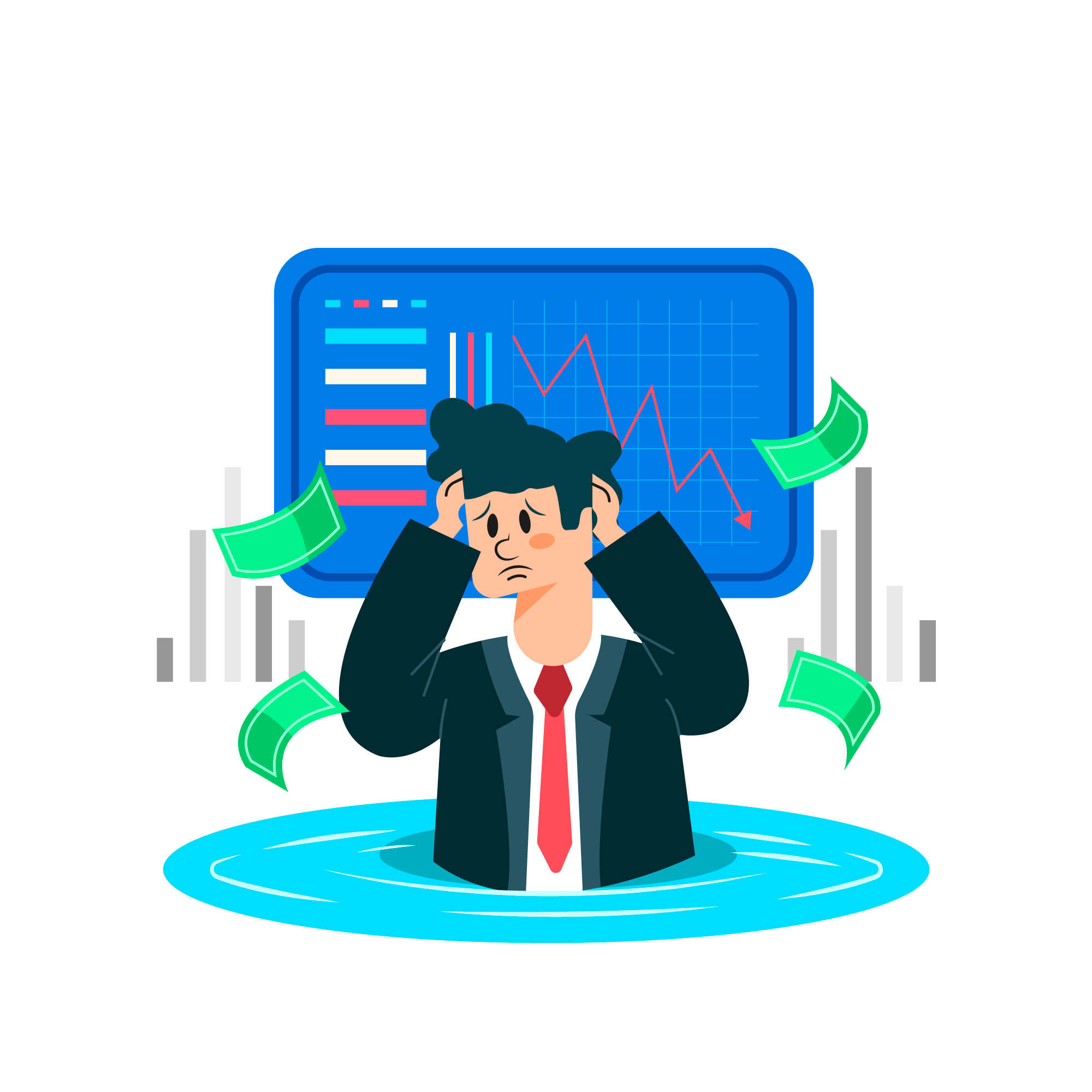
Money is one of the most common sources of stress for people across the world. Financial stress and anxiety can affect sleep, relationships, productivity, and overall mental health. When bills pile up, debt increases, or income feels uncertain, the brain reacts as if it is facing a threat. This constant pressure can lead to long term anxiety, emotional exhaustion, and even depression.
Research from the American Psychological Association shows that money remains the number one cause of stress for many adults. Studies also show that financial problems are strongly linked with anxiety disorders, sleep disturbances, and chronic stress.
Understanding how financial stress affects the brain and learning practical ways to manage it can help people regain control over their mental and emotional well being.
What Is Financial Stress and Anxiety
Financial stress refers to the emotional pressure and worry people feel when they are struggling with money related problems. This may include debt, job insecurity, low income, rising expenses, or difficulty managing monthly bills.
Financial anxiety is the constant fear or worry about money even when a person is not currently facing a crisis. Some people feel anxious about future expenses, savings, or financial stability.
Psychologists explain that money is deeply connected to a sense of safety and survival. When finances feel unstable, the brain activates the stress response system. This triggers the release of stress hormones like cortisol and adrenaline, which keep the body in a heightened state of alert.
Over time, this stress response can impact both mental and physical health.
How Financial Problems Affect Mental Health
Money worries can influence the way people think, feel, and behave. Financial stress can create a cycle where anxiety makes it harder to solve financial problems.
Studies published in the Journal of Economic Psychology show that people experiencing financial strain often report higher levels of anxiety, depression, and emotional distress.
One major reason is that financial stress creates uncertainty. The brain prefers predictability and control. When people do not know how they will manage expenses or debt, the mind keeps replaying worst case scenarios.
This constant mental pressure can lead to emotional fatigue and a feeling of being trapped.
Common Signs of Financial Stress and Anxiety
Financial anxiety does not always look like worrying about money all the time. Sometimes the signs appear in subtle ways that affect daily life.
Many people experience constant worry about bills, loans, or future expenses. Sleep problems are also very common because the brain continues to think about financial problems late at night.
Some individuals notice irritability or mood swings. Others may avoid checking bank accounts, bills, or financial statements because it increases their anxiety.
Difficulty concentrating, headaches, fatigue, and stomach issues are also frequently reported. Long term financial stress can even increase the risk of depression.
Recognizing these symptoms is the first step toward addressing the problem.
The Science Behind Money Stress and the Brain
Financial stress activates the same biological stress system that responds to physical danger. The brain’s amygdala detects threats and signals the body to release cortisol.
A study from Princeton University found that financial stress can reduce cognitive capacity. People who are worried about money often perform worse on tasks that require focus, decision making, and memory.
This happens because the brain becomes occupied with financial concerns. When mental resources are constantly used to worry about money, it becomes harder to think clearly about solutions.
Chronic stress can also affect the prefrontal cortex, the part of the brain responsible for planning and decision making. This explains why financial anxiety sometimes leads to impulsive spending or avoidance of financial planning.
Why Financial Stress Feels So Overwhelming
Money stress is not only about numbers. It is connected to identity, security, and social expectations.
Many people associate financial stability with success, independence, and personal value. When finances become difficult, individuals may experience feelings of shame or failure.
Social comparison also increases financial anxiety. Seeing others succeed financially through social media or peer groups can make people feel like they are falling behind.
Economic uncertainty, rising living costs, and job instability also contribute to the growing levels of financial anxiety worldwide.
These emotional and social factors can make financial stress feel much heavier than the actual numbers involved.
Financial Anxiety and Relationship Stress
Money problems are one of the leading causes of relationship conflict. Research from the National Endowment for Financial Education shows that financial disagreements are a common source of tension between partners.
When couples experience financial stress, communication often becomes difficult. One partner may prefer to avoid discussing money while the other may feel frustrated or worried.
Financial anxiety can also lead to blame, arguments, and emotional distance. Over time, this can affect trust and relationship satisfaction.
Open communication and shared financial planning can help reduce these conflicts and create a sense of teamwork.
Practical Ways to Reduce Financial Stress
Although financial problems can feel overwhelming, small practical steps can help reduce anxiety and improve financial control.
Creating a clear budget is often the first step. Writing down income, expenses, and financial priorities helps the brain feel more organized and less uncertain.
Breaking financial goals into smaller steps can also reduce stress. Instead of focusing on large debts or long term financial goals, focusing on manageable actions makes the situation feel less intimidating.
Financial education is another powerful tool. Learning about budgeting, savings, and debt management helps people make more confident financial decisions.
Seeking professional guidance from financial advisors or credit counselors can also provide structured support.
The Role of Emotional Coping in Financial Stress
Managing financial anxiety is not only about solving money problems. Emotional coping strategies also play an important role.
Mindfulness practices such as deep breathing, meditation, and journaling can help calm the nervous system. These techniques reduce the body’s stress response and help the brain think more clearly.
Regular physical activity is also scientifically proven to reduce stress hormones and improve mood.
Talking to trusted friends, family members, or mental health professionals can help people process the emotional burden of financial stress.
When people feel supported, financial problems often feel more manageable.
How Financial Literacy Improves Mental Well Being
Financial literacy refers to the knowledge and skills needed to manage money effectively. Research consistently shows that people with higher financial literacy experience lower levels of financial stress.
Understanding concepts such as budgeting, saving, investing, and debt management helps individuals make informed financial decisions.
Financial literacy also increases confidence. When people feel capable of managing their finances, they experience less anxiety about the future.
Schools, workplaces, and communities are increasingly recognizing the importance of financial education for improving both economic and mental well being.
When Financial Stress Leads to Anxiety Disorders
For some individuals, financial stress can develop into severe anxiety or depression. This is especially true when financial difficulties persist for long periods.
People may experience panic attacks, constant worry, sleep disturbances, or feelings of hopelessness related to their financial situation.
Mental health professionals often treat financial anxiety using cognitive behavioral therapy. This approach helps people identify negative thought patterns and develop healthier coping strategies.
Addressing both the financial and emotional aspects of the problem is important for long term recovery.
Building a Healthier Relationship with Money
Developing a healthy relationship with money involves shifting the way people think about finances.
Instead of viewing money only as a source of stress, it can be seen as a tool for stability and planning.
Practicing mindful spending, setting realistic financial goals, and focusing on long term financial security can create a healthier mindset.
Self compassion also plays an important role. Financial challenges are common and do not define a person’s value or success.
By focusing on gradual progress and learning from financial experiences, people can build resilience and confidence.
Frequently Asked Questions
What causes financial stress and anxiety
Financial stress is usually caused by debt, rising living expenses, job insecurity, low income, or lack of savings. Uncertainty about future financial stability can also trigger anxiety and worry.
Can financial stress affect mental health
Financial stress can significantly affect mental health. Research shows it is linked to anxiety, depression, sleep problems, and emotional exhaustion because constant money worries keep the brain in a stress response state.
How can someone reduce financial anxiety
Creating a clear budget, improving financial literacy, breaking financial goals into small steps, and seeking professional advice can help reduce financial anxiety. Emotional coping strategies such as mindfulness and exercise are also helpful.
Why do money problems cause so much stress
Money is connected to survival, safety, and social stability. When financial security feels threatened, the brain perceives it as a risk to survival, which activates the stress response system.
When should someone seek help for financial stress
If financial stress leads to severe anxiety, panic attacks, sleep problems, or depression, speaking with a financial counselor or mental health professional can help address both financial and emotional challenges.





Leave a Reply