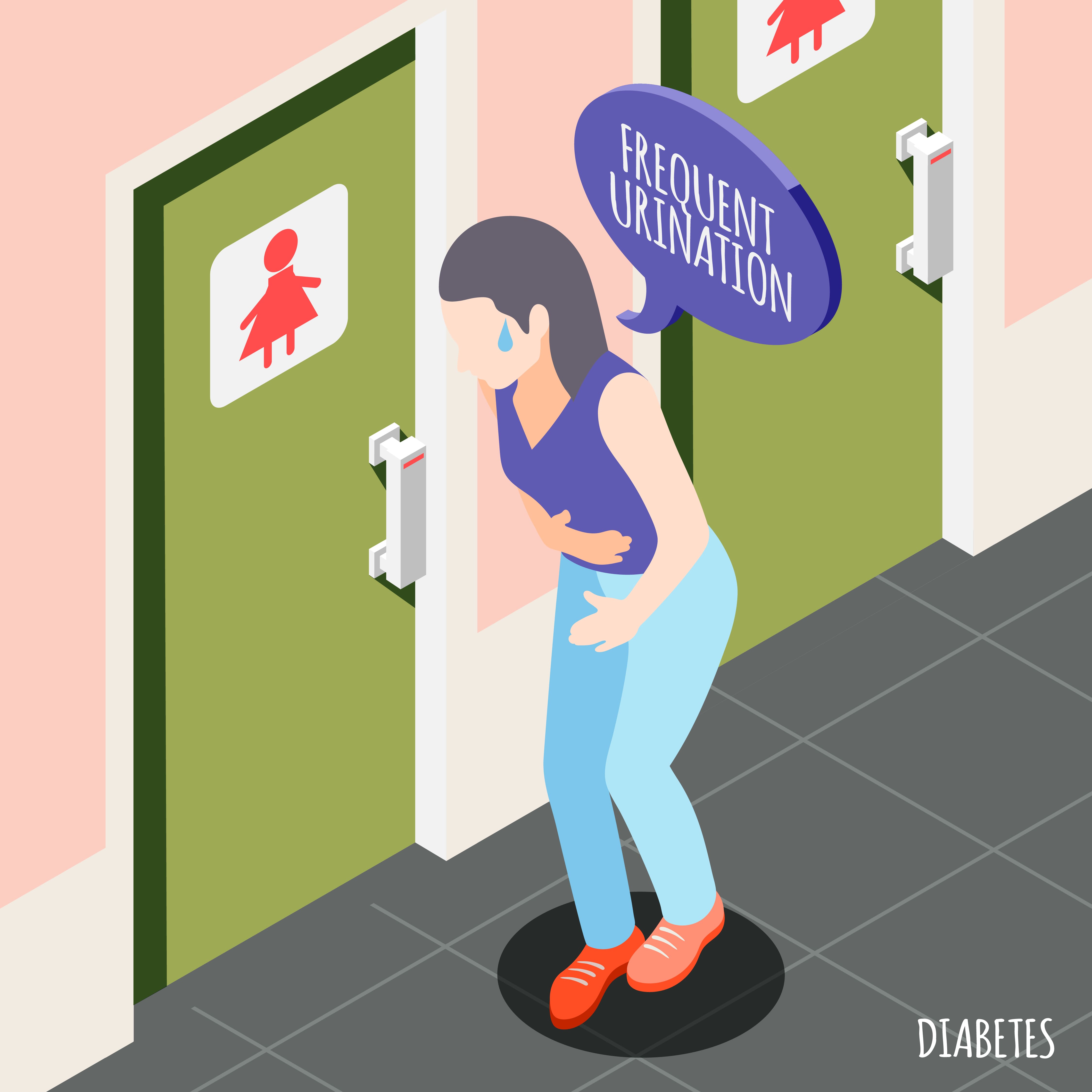
Many people notice that when they feel anxious or stressed, they suddenly need to use the bathroom more often. This can feel confusing and even embarrassing, especially if it happens during meetings, travel, exams, or social situations. The connection between anxiety and frequent urination is real and backed by science.
If you often wonder, “Why do I pee so much when I am anxious?” or “Can anxiety cause frequent urination?” this blog explains the reason in a clear and simple way. Understanding how the brain, bladder, and nervous system work together can help you manage the symptoms better.
What Is Anxiety and How Does It Affect the Body
Anxiety is the body’s natural response to stress, fear, or perceived danger. When the brain senses a threat, it activates the fight or flight response. This survival mechanism prepares the body to react quickly by releasing stress hormones like adrenaline and cortisol.
These hormones trigger several physical changes. The heart rate increases, breathing becomes faster, muscles tighten, and digestion slows down. At the same time, the nervous system becomes highly alert.
One of the lesser known effects of this response is increased bladder activity. When the body is in a state of alertness, it tries to empty the bladder more quickly. This is why people experiencing anxiety may suddenly feel the urge to urinate frequently.
Can Anxiety Cause Frequent Urination
Yes, anxiety can cause frequent urination. This is one of the common physical symptoms of anxiety disorders. Many people experience it during panic attacks, stressful events, or periods of chronic anxiety.
Research in the field of neurobiology shows that the brain and bladder communicate constantly through the nervous system. When anxiety activates the sympathetic nervous system, it can stimulate the bladder muscles and create a stronger urge to urinate.
People with generalized anxiety disorder, panic disorder, or social anxiety often report urinary urgency and frequent bathroom visits even when their bladder is not completely full.
Why Anxiety Makes You Pee More
Several biological and psychological mechanisms explain why anxiety leads to frequent urination.
The Fight or Flight Response
When anxiety triggers the fight or flight response, the body prepares for immediate action. One way it does this is by emptying unnecessary weight from the body, including the bladder. This evolutionary response helped early humans react quickly to danger.
Even though modern stress rarely involves physical danger, the body still reacts in the same way.
Overactive Nervous System
The autonomic nervous system controls involuntary body functions like breathing, heart rate, and bladder control. Anxiety increases the activity of this system.
When the nervous system is overstimulated, the bladder muscles can become more sensitive. This makes you feel like you need to urinate more often, even if the bladder is not full.
Increased Muscle Tension
Anxiety often causes muscle tension throughout the body, including the pelvic muscles. Tight pelvic muscles can increase the feeling of bladder pressure and urgency.
Heightened Body Awareness
People experiencing anxiety tend to become more aware of their bodily sensations. Small signals from the bladder that would normally be ignored can suddenly feel urgent. This increased awareness can make the urge to urinate feel stronger than it actually is.
Symptoms of Anxiety Related Frequent Urination
Frequent urination caused by anxiety can appear in different ways. Some of the most common symptoms include needing to use the bathroom more often than usual, feeling a sudden urge to urinate during stressful situations, urinating small amounts frequently, and feeling like the bladder is not completely empty.
Many people also notice that the symptoms appear before exams, presentations, interviews, travel, or social gatherings. Once the stressful situation passes, the frequency often decreases.
If the frequent urination mainly appears during periods of stress or worry, anxiety could be a major factor.
Difference Between Anxiety Frequent Urination and Medical Conditions
Frequent urination can also be caused by medical conditions, so it is important to understand the difference.
Medical causes may include urinary tract infections, diabetes, overactive bladder, prostate issues in men, bladder inflammation, or certain medications.
Anxiety related frequent urination usually has a few distinct patterns. It often appears during stressful situations, improves when the person feels calm, and may not occur during sleep.
If symptoms are persistent, painful, or accompanied by burning, fever, or blood in urine, it is important to consult a doctor to rule out medical causes.
How Stress and Anxiety Affect the Bladder
Scientists studying the brain bladder connection have found that emotional stress can influence bladder activity through complex neural pathways.
The bladder is controlled by signals from the brainstem and spinal cord. When the brain detects stress or fear, these signals change. Stress hormones and neurotransmitters can make the bladder more sensitive.
Research published in urology and neuroscience journals suggests that chronic stress may increase bladder sensitivity over time. This is why people with long term anxiety may develop persistent urinary urgency.
Understanding this connection helps explain why treating anxiety can often reduce bladder symptoms.
How to Stop Frequent Urination Caused by Anxiety
Managing anxiety related frequent urination involves calming the nervous system and retraining the brain bladder connection.
Practice Slow Breathing
Deep breathing helps calm the nervous system and reduces the fight or flight response. Slow breathing signals the brain that the body is safe, which can reduce bladder urgency.
Breathing slowly through the nose and extending the exhale can activate the parasympathetic nervous system, which promotes relaxation.
Reduce Caffeine and Stimulants
Caffeine is a known bladder irritant and can increase urination frequency. It also stimulates the nervous system, which can worsen anxiety symptoms.
Reducing coffee, energy drinks, and strong tea may help decrease bladder urgency.
Train the Bladder
Bladder training involves gradually increasing the time between bathroom visits. This helps the bladder hold urine for longer periods and reduces urgency.
For example, if someone urinates every 30 minutes, they can slowly extend the time to 45 minutes and then to one hour over several weeks.
Manage Anxiety Triggers
Identifying situations that trigger anxiety can help reduce the physical symptoms. Techniques like mindfulness, meditation, journaling, and therapy can help manage stress levels.
Cognitive behavioral therapy is often recommended for anxiety disorders because it helps people change thought patterns that trigger stress responses.
Strengthen Pelvic Floor Muscles
Pelvic floor exercises can improve bladder control. These exercises strengthen the muscles that support the bladder and help control urinary urges.
Regular practice may reduce urgency and improve bladder stability.
When to See a Doctor
Occasional frequent urination during stressful situations is common. However, it is important to seek medical advice if the symptoms become persistent or interfere with daily life.
A doctor may evaluate bladder function, check for infections, and review medical history to rule out other causes. If anxiety is the main factor, treatment may involve therapy, lifestyle changes, or medication for anxiety management.
Early evaluation can help prevent unnecessary worry and ensure the right treatment.
The Mind Body Connection Behind Anxiety Symptoms
Frequent urination during anxiety highlights the strong connection between the mind and the body. Mental stress does not stay only in the mind. It influences hormones, nerves, muscles, and organ function.
Many physical symptoms such as rapid heartbeat, sweating, stomach discomfort, dizziness, and urinary urgency are part of the body’s stress response system.
Recognizing these symptoms as part of anxiety can help reduce fear and prevent the cycle of worry that often makes the symptoms worse.
Learning to regulate stress and calm the nervous system is one of the most effective ways to manage these physical reactions.
Conclusion
Anxiety and frequent urination are closely linked through the nervous system and the body’s stress response. When anxiety activates the fight or flight mechanism, the bladder can become more sensitive and create a stronger urge to urinate.
This symptom can be uncomfortable but it is usually harmless. Understanding the brain bladder connection helps people manage the condition with practical strategies such as relaxation techniques, bladder training, reducing stimulants, and addressing anxiety triggers.
If symptoms persist or cause significant distress, consulting a healthcare professional can help identify the underlying cause and provide the right support.
FAQs
Can anxiety cause frequent urination even if the bladder is not full
Yes. Anxiety can overstimulate the nervous system and make the bladder muscles more sensitive. This can create a strong urge to urinate even when the bladder contains a small amount of urine.
Why do I feel the need to pee during stressful situations
Stress activates the fight or flight response. This response increases bladder sensitivity and signals the body to empty the bladder quickly, which leads to frequent bathroom trips.
Is frequent urination a symptom of anxiety disorder
It can be a physical symptom experienced by people with anxiety disorders, panic attacks, or chronic stress.
Does anxiety frequent urination go away
It often improves when anxiety levels decrease. Managing stress and calming the nervous system usually reduces bladder urgency over time.
How can I calm my bladder when anxiety triggers frequent urination
Slow breathing, relaxation techniques, reducing caffeine intake, and bladder training can help calm the nervous system and reduce the urge to urinate frequently.




Leave a Reply