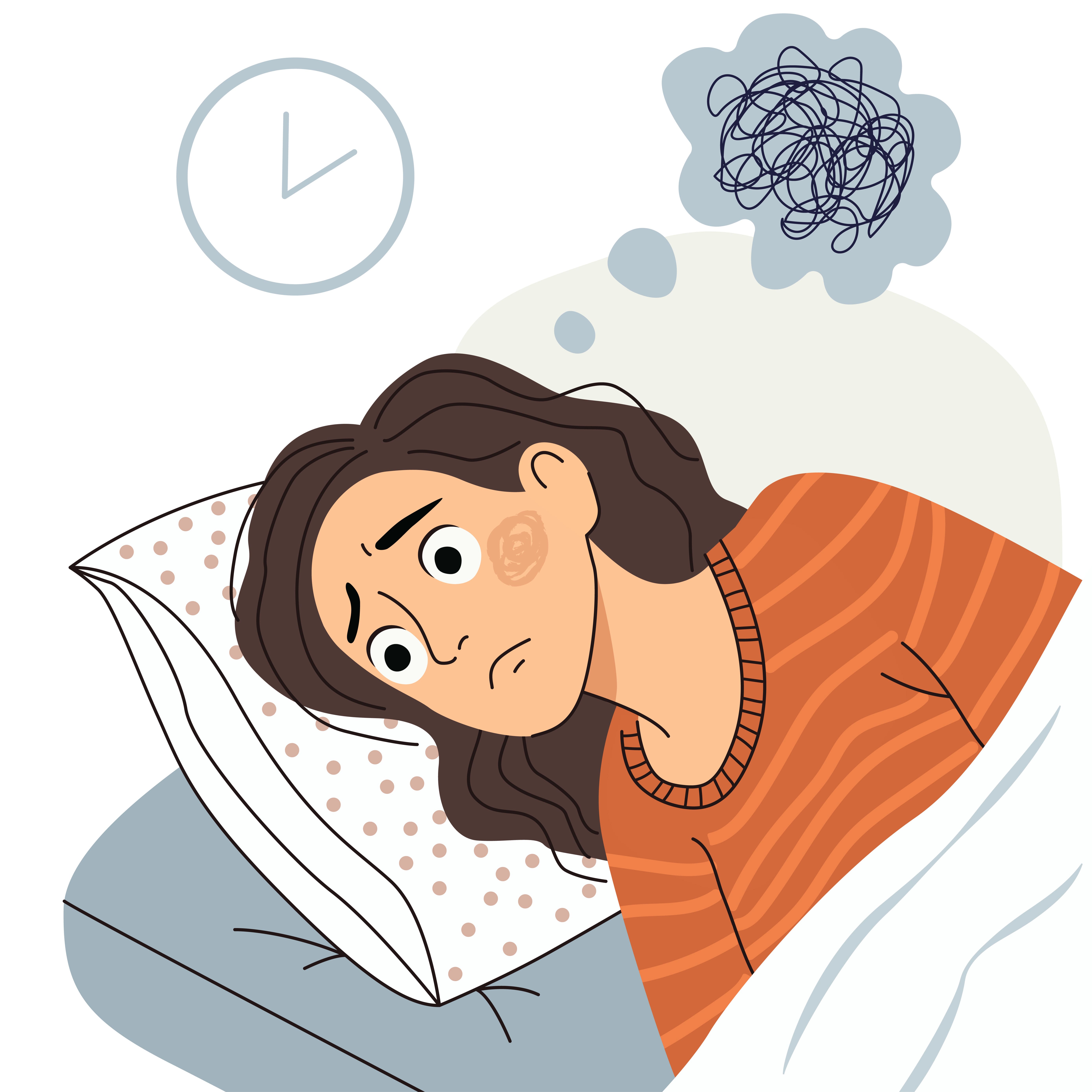
Sleep is one of the most important parts of mental and physical health. Yet millions of people struggle with insomnia because their minds simply refuse to switch off at night. Anxiety and insomnia often go hand in hand, creating a cycle that is difficult to break. When a person feels anxious, the brain remains alert and active, making it harder to fall asleep or stay asleep. Lack of sleep then increases anxiety levels the next day, which worsens the problem even more.
Many people search online for answers about anxiety insomnia symptoms, why anxiety causes sleep problems, and how to sleep better with anxiety. Understanding the science behind this connection can help people manage both conditions more effectively and improve overall well being.
What Is Anxiety and How Does It Affect the Brain
Anxiety is a natural response of the brain when it senses danger or stress. It activates the body’s fight or flight system, which prepares a person to deal with a threat. During this response, the brain releases stress hormones such as cortisol and adrenaline. These hormones increase alertness, raise heart rate, and keep the mind focused on potential danger.
This response is helpful in real emergencies, but when anxiety becomes chronic, the brain stays in a constant state of alertness. Instead of calming down at night, the brain keeps scanning for problems, replaying past events, or worrying about the future. This mental activity prevents the body from entering a relaxed state that is necessary for sleep.
Research from sleep medicine and neuroscience shows that people with anxiety disorders have higher brain activity in areas responsible for emotional processing and threat detection. Because of this hyperactive brain state, falling asleep becomes difficult.
What Is Insomnia and Why It Happens
Insomnia is one of the most common sleep disorders. It involves difficulty falling asleep, staying asleep, or waking up too early without being able to fall back asleep. Many people experience occasional insomnia, but chronic insomnia occurs when sleep problems happen at least three nights a week for several months.
Common insomnia symptoms include difficulty falling asleep despite feeling tired, waking up multiple times during the night, feeling restless in bed, and waking up feeling unrefreshed. These symptoms can affect mood, energy levels, concentration, and daily functioning.
Studies show that anxiety is one of the leading causes of insomnia. People who experience anxiety often report racing thoughts, constant worrying, and physical symptoms such as a fast heartbeat or muscle tension. These reactions make it difficult for the body to relax and transition into sleep.
The Strong Connection Between Anxiety and Insomnia
Anxiety and insomnia create a cycle that feeds into itself. When anxiety keeps someone awake at night, the brain does not get the rest it needs. Sleep deprivation then increases emotional sensitivity and reduces the brain’s ability to regulate stress.
Scientific studies have shown that people who sleep poorly are more likely to experience anxiety the following day. Lack of sleep affects the amygdala, the part of the brain responsible for processing emotions. When the amygdala becomes overactive, a person becomes more reactive to stress and negative emotions.
At the same time, the prefrontal cortex, which helps regulate emotions and decision making, becomes less effective when sleep deprived. This imbalance makes worries feel more intense and harder to control.
As a result, anxiety leads to insomnia, and insomnia makes anxiety worse. Breaking this cycle is essential for improving mental health.
Common Anxiety Insomnia Symptoms
People who struggle with anxiety related sleep problems often experience several mental and physical symptoms. One of the most common symptoms is racing thoughts at night. The mind keeps jumping from one worry to another, making it difficult to relax.
Another common symptom is difficulty falling asleep even when the body feels tired. Some people spend hours lying in bed thinking about work, relationships, health concerns, or future problems.
Physical symptoms can also appear. These include a fast heartbeat, restlessness, muscle tension, and a feeling of uneasiness in the chest or stomach. Some people wake up suddenly during the night with a sense of panic or worry.
Morning fatigue is another sign of anxiety insomnia. Even after spending many hours in bed, the person may wake up feeling exhausted, mentally drained, or emotionally overwhelmed.
Why Anxiety Gets Worse at Night
Many people notice that their anxiety becomes stronger during nighttime. This happens because the brain finally has fewer distractions. During the day, work, conversations, and activities keep the mind occupied. At night, the environment becomes quiet, and the brain has more space to focus on worries.
Another reason anxiety increases at night is the brain’s natural rhythm. Cortisol levels normally decrease in the evening to help the body relax. However, people with anxiety may experience irregular stress hormone patterns that keep the brain alert.
Darkness and silence can also make the mind more aware of internal thoughts and physical sensations. Without external stimulation, worries may feel louder and more intense.
The Role of Overthinking and Racing Thoughts
Overthinking is one of the biggest reasons people with anxiety struggle to sleep. The brain repeatedly analyzes problems, replays conversations, or imagines negative future outcomes.
Psychologists call this process rumination. It involves repetitive thinking about distressing situations or potential problems. Instead of solving the issue, rumination keeps the brain active and emotionally engaged.
Brain imaging studies show that rumination activates the default mode network, a system of brain regions involved in self reflection and internal thinking. When this network becomes overactive at night, the brain remains mentally busy even when the body is tired.
This mental activity delays the release of sleep promoting chemicals such as melatonin, making it harder to fall asleep.
How Lack of Sleep Affects Anxiety and Mental Health
Sleep is essential for emotional regulation and brain recovery. During sleep, the brain processes memories, regulates stress hormones, and restores mental balance.
When sleep is disrupted, these processes cannot function properly. Studies show that even one night of poor sleep can increase anxiety levels by up to thirty percent.
Chronic insomnia can also increase the risk of depression, panic attacks, and other mental health conditions. People may experience irritability, difficulty concentrating, and reduced ability to handle stress.
Sleep deprivation also affects the immune system, metabolism, and heart health. This is why treating insomnia is important not only for mental health but also for overall physical wellbeing.
Science Based Tips to Reduce Anxiety and Improve Sleep
Managing anxiety insomnia requires both mental and behavioral strategies. One of the most effective approaches is creating a consistent sleep routine. Going to bed and waking up at the same time every day helps regulate the body’s internal clock.
Reducing screen exposure before bedtime is also important. Blue light from phones and laptops suppresses melatonin production, which delays sleep.
Relaxation techniques can help calm the nervous system. Deep breathing, meditation, and progressive muscle relaxation can reduce stress hormone levels and prepare the body for sleep.
Writing down worries before bedtime can also be helpful. This technique allows the brain to release anxious thoughts instead of carrying them into the night.
Regular physical activity during the day improves sleep quality and reduces anxiety levels. Exercise helps regulate neurotransmitters such as serotonin and dopamine, which influence mood and sleep.
When to Seek Professional Help
Occasional sleep problems are normal, but persistent insomnia and anxiety may require professional support. If sleep problems continue for several weeks and start affecting daily life, it may be helpful to consult a mental health professional or sleep specialist.
Cognitive Behavioral Therapy for Insomnia, often called CBT I, is considered one of the most effective treatments for chronic insomnia. This therapy helps people change unhealthy sleep habits and thought patterns that interfere with sleep.
In some cases, doctors may recommend short term medication or anxiety treatment. Addressing the root cause of anxiety is important for long term improvement.
Seeking help is not a sign of weakness. Mental health professionals are trained to provide strategies that improve sleep and reduce anxiety.
Breaking the Anxiety Insomnia Cycle
The connection between anxiety and insomnia is complex, but it is also manageable. Understanding how the brain responds to stress and sleep deprivation can help people recognize why their sleep patterns change during periods of anxiety.
Improving sleep habits, managing stress, and seeking support when needed can gradually break the cycle. Small changes in daily routines, mental habits, and self care practices can make a significant difference over time.
Better sleep supports emotional balance, clearer thinking, and improved overall health. When the mind learns to relax at night, both anxiety and insomnia become easier to manage.
FAQs
Can anxiety cause insomnia every night
Yes. Chronic anxiety can keep the brain in a state of alertness, which makes it difficult to fall asleep or stay asleep regularly.
Why does anxiety get worse at bedtime
Nighttime removes distractions and allows worries to become more noticeable. The brain becomes more focused on internal thoughts and concerns.
How many hours of sleep do adults need
Most adults need around seven to nine hours of sleep each night for proper mental and physical health.
Can lack of sleep increase anxiety
Yes. Sleep deprivation affects emotional regulation in the brain and increases stress responses, which can worsen anxiety symptoms.
What is the best treatment for anxiety insomnia
Treatments often include sleep hygiene practices, stress management techniques, therapy such as CBT for insomnia, and professional mental health support if needed.




Leave a Reply