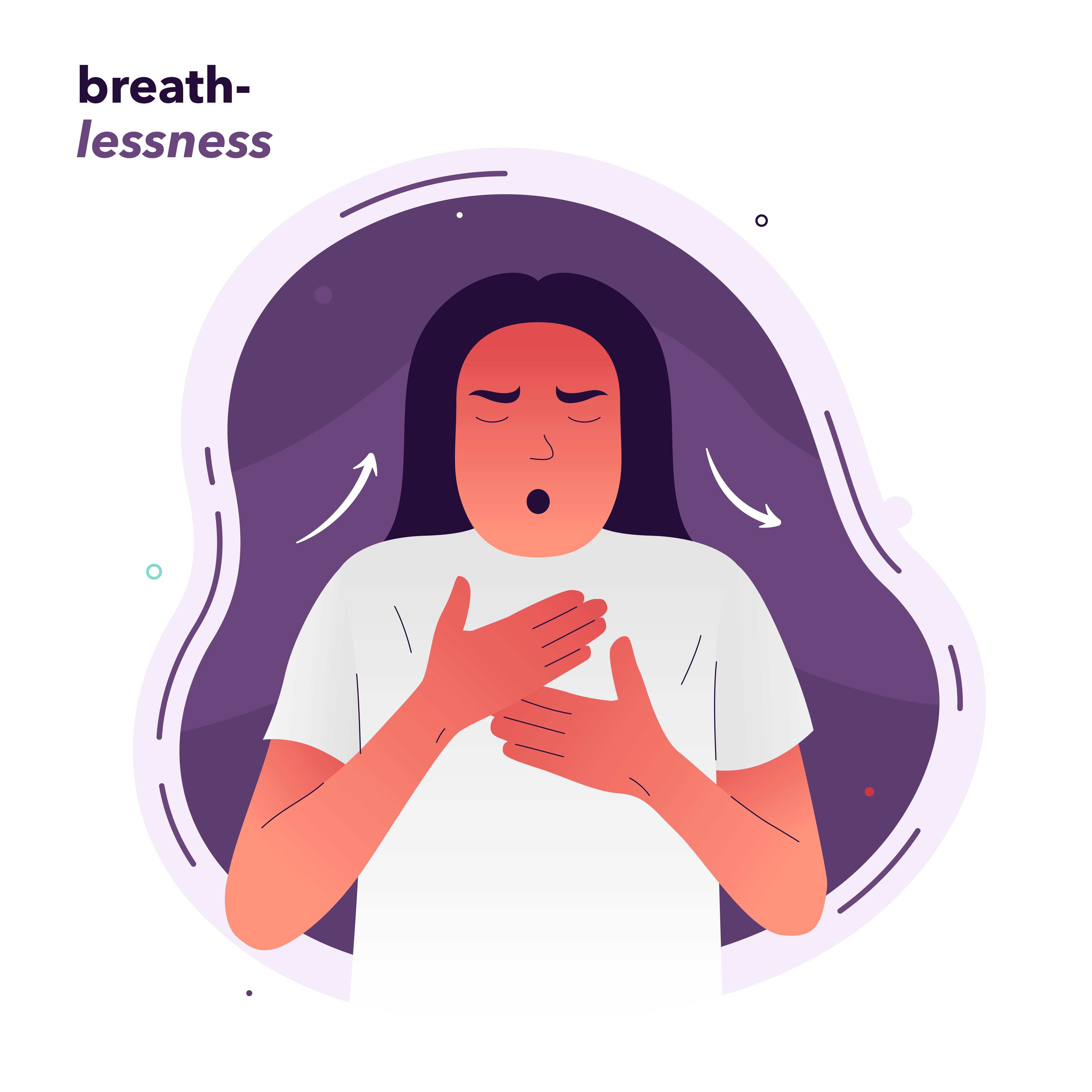
Anxiety and shortness of breath often appear together, and for many people this combination can feel frightening. When breathing becomes difficult, it may feel like something is seriously wrong with the body. However, science shows that anxiety can directly affect breathing patterns and create the feeling of not getting enough air. Many people searching for terms like anxiety shortness of breath, anxiety breathing problems, or can anxiety cause breathing difficulty are actually experiencing a very common stress response in the body.
Understanding how anxiety affects breathing can reduce fear and help people manage these symptoms in a healthier way. Research in psychology and neuroscience explains that anxiety activates the body’s threat response system, which changes the way we breathe and how our brain interprets those sensations.
How Anxiety Affects Breathing
Breathing is controlled by both automatic and conscious systems in the brain. Normally, the brainstem manages breathing without any effort. When anxiety increases, the brain’s threat detection system activates the sympathetic nervous system, also known as the fight or flight response.
During this response, the body prepares to react to danger. Heart rate increases, muscles tense, and breathing becomes faster and shallower. This type of breathing is useful during physical danger because it helps deliver oxygen quickly to muscles. However, when anxiety triggers this response without real physical danger, it can create uncomfortable sensations.
Faster breathing can lead to hyperventilation, which means breathing too quickly or too deeply. Hyperventilation changes the balance of oxygen and carbon dioxide in the blood, and this imbalance can create symptoms such as chest tightness, dizziness, lightheadedness, and the feeling that breathing is difficult.
Why Anxiety Causes the Feeling of Not Getting Enough Air
Many people experiencing anxiety describe a sensation called air hunger. This is the uncomfortable feeling of not getting a satisfying breath even when the lungs are working normally.
The brain constantly monitors breathing signals from the lungs, chest muscles, and blood chemistry. Anxiety increases the brain’s sensitivity to these signals. When the brain becomes hyperaware of breathing, even small changes can feel exaggerated.
Research in anxiety disorders shows that the amygdala, a region of the brain responsible for detecting threats, becomes highly active during anxiety episodes. When the amygdala sends danger signals, the brain interprets normal breathing sensations as potential threats. This can make a person focus intensely on every breath, which increases discomfort and makes breathing feel more difficult.
Common Symptoms of Anxiety Related Breathing Problems
People who experience anxiety breathing problems often notice several physical sensations. These symptoms can be confusing because they feel similar to medical breathing issues.
Common symptoms include chest tightness, rapid breathing, shallow breathing, feeling unable to take a deep breath, yawning frequently to try to get air, dizziness, and tingling in the hands or face. Some people also experience throat tightness or the feeling of a lump in the throat.
These symptoms are part of the body’s stress response and do not mean that the lungs are failing. Medical tests for people with anxiety related breathing issues often show normal oxygen levels and healthy lung function.
Anxiety, Panic Attacks, and Shortness of Breath
Shortness of breath is one of the most common symptoms during panic attacks. Panic attacks are sudden episodes of intense fear accompanied by strong physical reactions.
During a panic attack, the brain misinterprets internal body sensations as danger. The nervous system releases stress hormones such as adrenaline, which increase breathing rate and heart rate.
As breathing becomes faster, the person may feel that they cannot catch their breath. This sensation can increase fear, which then intensifies the panic attack. This creates a cycle where anxiety worsens breathing and breathing discomfort increases anxiety.
Understanding this cycle is important because it explains why panic related breathing problems often improve when anxiety is reduced.
The Role of Hyperventilation in Anxiety
Hyperventilation plays a major role in anxiety shortness of breath. When breathing becomes too fast, the body releases excessive carbon dioxide through the lungs.
Carbon dioxide helps regulate blood acidity and signals the brain about breathing needs. When carbon dioxide levels drop too low, several symptoms can occur including dizziness, chest discomfort, blurred vision, and feelings of breathlessness.
Ironically, people experiencing hyperventilation often try to breathe even more deeply to fix the sensation. This can make symptoms worse because it further lowers carbon dioxide levels. Learning to slow breathing can restore balance and reduce symptoms.
Why Overthinking Breathing Makes It Worse
Many people with anxiety begin monitoring their breathing constantly. This behavior is called breathing hyperawareness.
Normally breathing is automatic and effortless. When attention becomes focused on breathing, the natural rhythm can become disrupted. The brain may start controlling breathing consciously, which can lead to irregular breathing patterns.
Psychologists explain that attention amplifies body sensations. When the brain repeatedly checks breathing, it interprets every minor change as important. This can increase anxiety and reinforce the sensation of breathlessness.
Reducing this hyperfocus on breathing is often an important part of managing anxiety symptoms.
Can Anxiety Cause Long Term Breathing Problems
Anxiety can create recurring breathing discomfort, but it usually does not damage the lungs. Most breathing symptoms linked to anxiety come from temporary changes in breathing patterns and nervous system activation.
However, chronic anxiety can make the body remain in a state of high alert for long periods. This can cause muscle tension in the chest and diaphragm, which may make breathing feel tight or restricted.
Over time, learning healthy breathing patterns and stress regulation techniques can help restore a more relaxed breathing rhythm.
Science Based Ways to Calm Anxiety Breathing
Research in clinical psychology shows that certain techniques can help regulate breathing and calm the nervous system.
Slow breathing exercises are one of the most effective tools. Breathing slowly through the nose and allowing the belly to expand can activate the parasympathetic nervous system, which helps the body relax.
A common technique involves inhaling slowly for four seconds, pausing briefly, and exhaling gently for six seconds. Longer exhalations signal the brain that the body is safe, which reduces anxiety signals.
Another helpful approach is grounding techniques. Shifting attention to the environment, such as noticing sounds or objects in the room, can interrupt the cycle of anxious breathing awareness.
Regular physical activity also helps regulate the nervous system. Exercise improves lung capacity, reduces stress hormones, and increases endorphins that support emotional stability.
When Breathing Symptoms May Need Medical Attention
Although anxiety often explains breathing discomfort, persistent or severe breathing problems should always be evaluated by a healthcare professional.
Symptoms such as severe chest pain, fainting, blue lips, or difficulty speaking due to breathlessness require immediate medical attention. Conditions such as asthma, heart issues, or lung diseases can also cause shortness of breath and should be ruled out when symptoms are unclear.
Medical professionals often assess oxygen levels, heart function, and lung health to ensure there is no underlying physical condition.
The Connection Between Mind and Body in Anxiety
Breathing difficulties caused by anxiety show how strongly the mind and body are connected. The brain interprets emotional stress as a potential threat, and the body reacts with physical changes designed for survival.
These changes are not harmful in themselves, but when the brain continues to send danger signals without real danger, the body remains in a state of tension. Understanding this process can help people respond with calm rather than fear when symptoms appear.
Learning how anxiety affects breathing allows people to break the cycle of fear and regain confidence in their body’s natural ability to regulate itself.
Conclusion
Anxiety and shortness of breath are closely connected through the body’s stress response system. When anxiety activates the fight or flight response, breathing patterns change, often leading to sensations such as chest tightness, rapid breathing, and the feeling of not getting enough air.
Scientific research shows that these symptoms are usually caused by hyperventilation, nervous system activation, and increased awareness of breathing rather than problems with the lungs. Recognizing this connection can reduce fear and help people respond with calming strategies that restore normal breathing patterns.
Understanding the science behind anxiety breathing problems is an important step toward managing anxiety and improving overall mental and physical well being.
FAQs
Can anxiety really cause shortness of breath
Yes. Anxiety activates the fight or flight response, which increases breathing rate and can create the sensation of breathlessness even when oxygen levels are normal.
How long can anxiety shortness of breath last
It can last from a few minutes during panic episodes to longer periods when anxiety remains elevated. Once the nervous system calms down, breathing usually returns to normal.
How do I know if my breathing problem is anxiety or something else
If medical tests such as oxygen levels, heart checks, and lung exams are normal, doctors may consider anxiety as a possible cause. Persistent or severe symptoms should always be evaluated by a healthcare professional.
Does anxiety reduce oxygen in the body
Most anxiety related breathing problems do not reduce oxygen levels. The discomfort usually comes from changes in carbon dioxide levels due to rapid breathing.
What is the fastest way to calm anxiety breathing
Slow nasal breathing with longer exhalations can calm the nervous system and restore a normal breathing rhythm. Grounding techniques and relaxation exercises can also help reduce anxiety quickly.




Leave a Reply