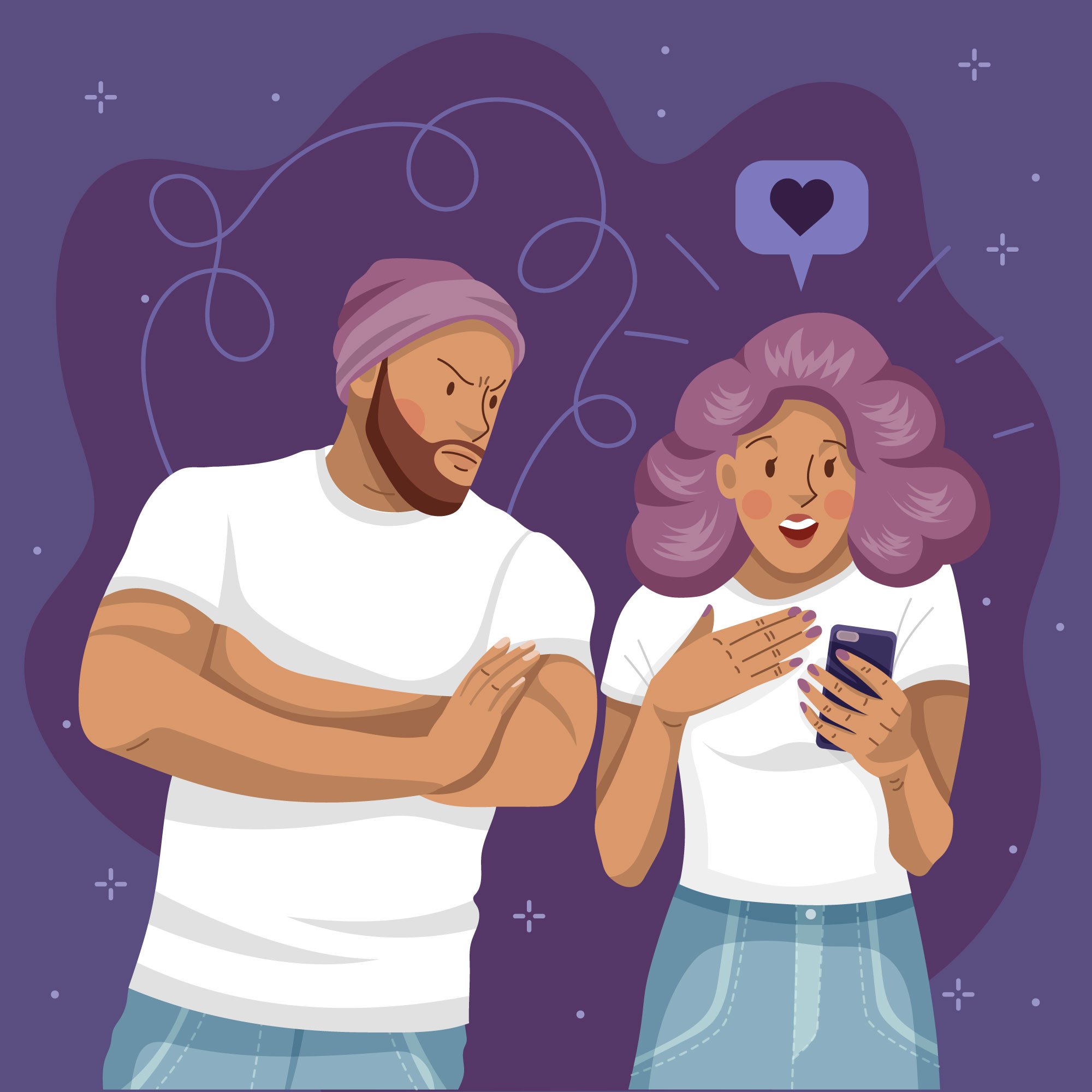
Dating has always been emotional, but the rise of online dating apps and social media has changed how relationships begin. Millions of people now meet partners through platforms like Tinder, Bumble, and Hinge. While digital dating has created more opportunities to connect, it has also increased dating anxiety, rejection anxiety, and relationship stress for many people.
Research shows that online dating can trigger psychological pressure related to validation, fear of rejection, and constant comparison. Many users feel overwhelmed by endless choices, ghosting, and the pressure to present a perfect version of themselves. Understanding the psychology of dating anxiety can help people build healthier relationships and protect their mental health while navigating the digital dating world.
What Is Dating Anxiety
Dating anxiety is a form of social anxiety that occurs when people feel nervous, worried, or stressed about romantic interactions. It can appear before a date, while messaging someone online, or even after starting a relationship.
Common symptoms include overthinking messages, fear of rejection, worrying about being judged, and constantly checking for replies. Some people feel physical symptoms such as increased heart rate, restlessness, or difficulty concentrating.
Psychologists explain that dating anxiety is connected to the brain’s threat detection system. When a person fears rejection or embarrassment, the brain activates the same stress response that occurs during other social threats. This reaction can make dating feel emotionally exhausting instead of enjoyable.
Why Online Dating Increases Anxiety
Online dating platforms have transformed the dating landscape, but they also introduce psychological pressures that did not exist in traditional dating.
One major reason is the paradox of choice. Dating apps provide access to thousands of potential partners, which may sound positive but often creates decision fatigue. Research by psychologist Barry Schwartz suggests that having too many choices increases anxiety and decreases satisfaction with decisions.
Another factor is the constant evaluation culture on dating apps. People swipe left or right within seconds, which can make users feel like they are being judged primarily on appearance. This environment can reduce self confidence and increase fear of rejection.
Notifications, unread messages, and delayed responses can also trigger overthinking. When someone does not reply immediately, many users assume negative outcomes, which can increase stress and emotional uncertainty.
The Psychological Effects of Ghosting
Ghosting has become one of the most common experiences in online dating. It happens when someone suddenly stops responding without explanation.
Studies in relationship psychology show that ghosting can create emotional distress because it removes closure. The human brain seeks clear answers to social situations. When communication stops abruptly, people often replay conversations in their mind trying to understand what went wrong.
Ghosting can trigger feelings similar to social rejection. Neuroscience research has found that rejection activates the same brain regions associated with physical pain. This explains why even short online interactions can feel emotionally intense when they suddenly end.
Learning to understand that ghosting often reflects the other person’s behavior rather than personal failure can help reduce emotional impact.
Social Media Comparison and Dating Pressure
Social media has also changed expectations around relationships. Platforms like Instagram and TikTok often show curated images of happy couples, romantic gestures, and ideal relationships.
Constant exposure to these images can create unrealistic expectations about dating and love. Many people start comparing their dating experiences with what they see online. This comparison can increase feelings of inadequacy or pressure to achieve a perfect relationship.
Psychologists call this phenomenon social comparison theory. When individuals measure their personal experiences against idealized online content, it can negatively affect self esteem and relationship satisfaction.
Understanding that social media shows highlights rather than reality can help reduce this pressure.
How Dating Apps Affect Self Esteem
Dating apps can influence how people view themselves. Receiving matches and compliments can temporarily boost confidence, but lack of matches or unanswered messages can have the opposite effect.
A study published in the journal Computers in Human Behavior found that frequent dating app users sometimes experience lower self esteem and higher levels of body image concerns. This happens because many users begin to measure their attractiveness based on matches and interactions.
Validation from external sources can become addictive. Each notification releases dopamine in the brain, the same chemical involved in reward systems. This cycle can lead people to constantly check apps for reassurance.
Developing self confidence that does not depend on digital validation is important for maintaining emotional well being.
Signs You May Be Experiencing Online Dating Anxiety
Many people experience mild nervousness while dating, but persistent anxiety can affect mental health and relationships.
Some common signs include constantly checking dating apps for messages, feeling stressed before opening the app, overanalyzing conversations, or feeling discouraged after small interactions.
People may also avoid meeting matches in person because they fear awkward situations or rejection. Others may feel emotionally drained after using dating apps for long periods.
Recognizing these patterns is the first step toward creating healthier dating habits.
Healthy Ways to Reduce Dating Anxiety
Managing dating anxiety involves both emotional awareness and practical strategies.
Setting boundaries with dating apps can be helpful. Limiting the time spent swiping or messaging prevents digital dating from becoming overwhelming. Some experts recommend checking apps only once or twice a day instead of constantly monitoring them.
Focusing on genuine conversations rather than perfect messages can also reduce pressure. Authentic communication helps people form real connections without the stress of performing or impressing.
Practicing self compassion is another important step. Not every match will lead to a relationship, and rejection is a natural part of dating. Viewing dating as a process of learning rather than a test of worth can improve emotional resilience.
Building Confidence in the Digital Dating World
Confidence in dating grows from self awareness and realistic expectations. Instead of trying to impress everyone, focusing on compatibility helps create healthier relationships.
Taking breaks from dating apps when feeling overwhelmed can protect mental health. Spending time on hobbies, friendships, and personal goals can help restore emotional balance.
Experts in relationship psychology also recommend meeting matches in person sooner rather than engaging in long periods of texting. Real conversations often reduce misunderstandings and allow people to connect more naturally.
The goal of digital dating should be meaningful interaction rather than constant validation.
The Future of Dating and Mental Health
Technology will continue to shape how relationships begin. Artificial intelligence matchmaking, video dating, and virtual communication are already influencing modern relationships.
As digital dating evolves, conversations around mental health and healthy relationship habits are becoming more important. Awareness about dating anxiety, emotional boundaries, and realistic expectations can help people navigate this environment more confidently.
Building genuine connections requires patience, communication, and emotional openness. Digital platforms may introduce new challenges, but understanding the psychology behind dating behavior allows people to approach relationships with greater clarity and confidence.
FAQs
What is dating anxiety
Dating anxiety refers to feelings of nervousness, fear, or stress related to romantic interactions, meeting potential partners, or communicating on dating apps. It is often linked to fear of rejection or judgment.
Why do dating apps cause anxiety
Dating apps create pressure through constant comparison, instant judgments based on appearance, and uncertainty in communication such as delayed replies or ghosting.
Can online dating affect mental health
Research suggests that excessive use of dating apps may increase stress, lower self esteem, and create emotional fatigue for some users, especially when validation becomes dependent on matches and responses.
How can someone reduce dating anxiety
Limiting time on dating apps, focusing on genuine conversations, practicing self compassion, and maintaining a balanced lifestyle outside dating can help reduce anxiety.
Is ghosting harmful for mental health
Ghosting can cause confusion and emotional distress because it removes closure from social interactions. Understanding that ghosting often reflects the other person’s behavior can help people move forward more easily.




Leave a Reply