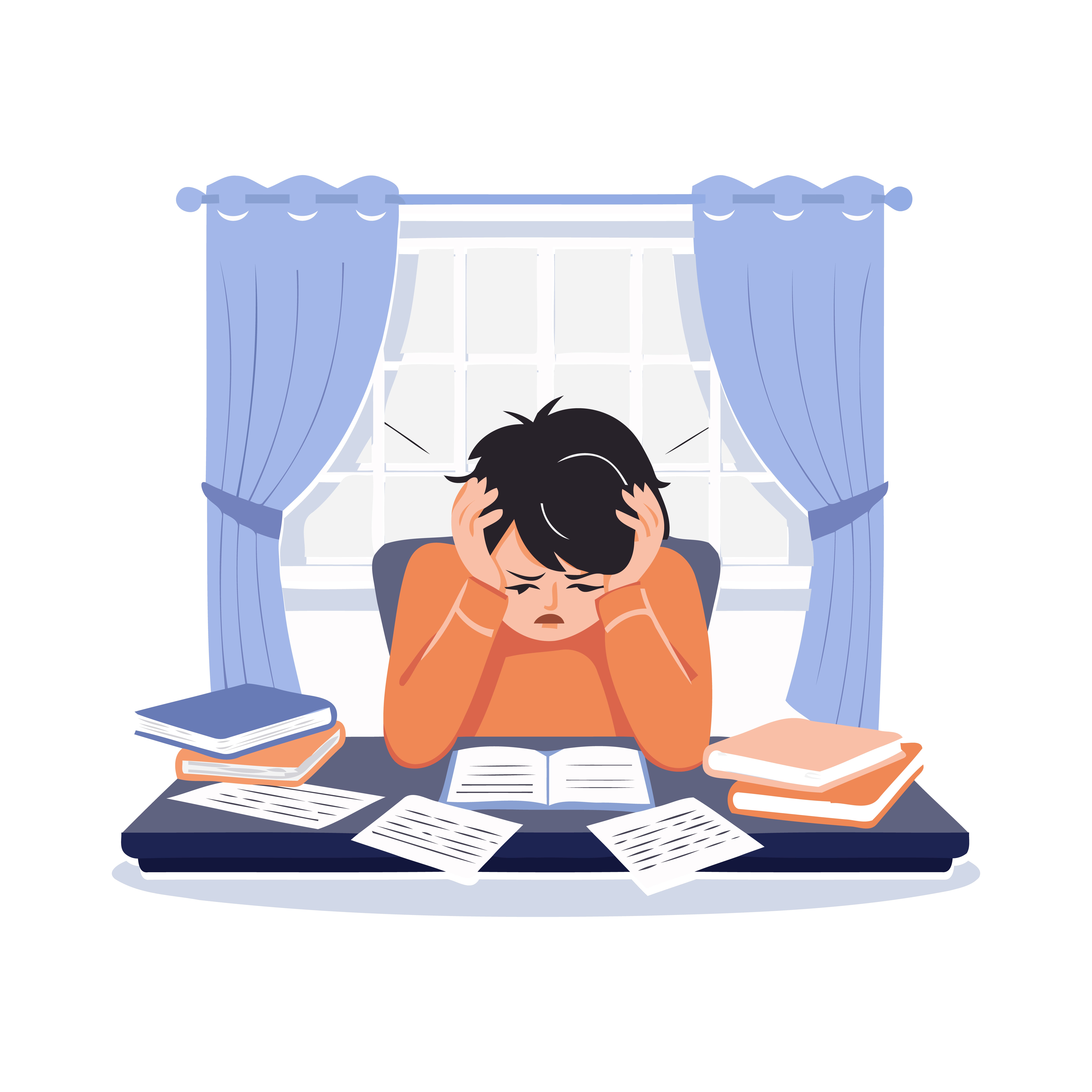
Exams are an important part of a student’s academic life. However, for many students, exams also bring a lot of pressure, fear, and stress. This feeling is commonly known as exam anxiety or test anxiety. A small amount of stress before exams can help students stay focused and motivated. But when the stress becomes too intense, it can affect concentration, memory, sleep, and overall performance.
Exam anxiety in students has become a growing concern around the world. According to several psychological studies, a significant percentage of school and college students experience moderate to severe anxiety during exams. Understanding why this happens and how it can be managed is important for students, parents, and teachers.
What is Exam Anxiety or Test Anxiety in Students
Exam anxiety refers to the intense stress, fear, or nervousness that students experience before or during examinations. It is a psychological and physical response triggered by the pressure to perform well.
Researchers from the American Psychological Association explain that anxiety activates the body’s stress response system. When students perceive exams as a threat to their success or future, the brain releases stress hormones like cortisol and adrenaline. These hormones prepare the body for a fight or flight response.
While this reaction is natural, excessive stress can interfere with thinking and memory. This is why students sometimes forget answers during exams even when they studied well.
Why Exam Stress is Increasing Among Students
Exam stress among students is becoming more common due to multiple academic and social pressures. Many students feel that their grades will determine their future career, reputation, or acceptance into higher education.
One major factor is academic competition. Students often compare their marks with classmates, which increases pressure to perform better.
Another factor is parental expectations. Many students worry about disappointing their parents if they do not achieve high scores.
Social media and comparison culture also contribute to exam stress. Seeing others talk about high marks or intense study routines can make students feel inadequate.
Research published in educational psychology journals shows that students who feel extreme pressure about academic results are more likely to experience test anxiety.
Common Symptoms of Exam Anxiety in Students
Exam anxiety affects both the mind and the body. Students experiencing exam stress may notice emotional, physical, and behavioral symptoms.
Emotionally, students may feel fear, nervousness, irritability, or a constant sense of worry before exams. Some students start doubting their abilities even when they are prepared.
Physically, the body reacts to stress hormones. Students may experience headaches, sweating, rapid heartbeat, stomach discomfort, or difficulty sleeping.
Cognitive symptoms are also common. Students may find it difficult to concentrate, organize thoughts, or recall information during exams.
Behavioral signs include procrastination, avoiding study sessions, or feeling overwhelmed by the syllabus.
These symptoms show how strongly anxiety can interfere with learning and exam performance.
How Exam Anxiety Affects Memory and Concentration
Exam anxiety directly affects the brain’s ability to think clearly. Neuroscience research shows that high stress levels can interfere with the working memory, which is responsible for processing and recalling information.
When stress hormones like cortisol increase, the brain prioritizes survival responses instead of logical thinking. As a result, students may feel mentally blank during exams.
Studies from cognitive psychology also suggest that anxiety consumes mental energy. Instead of focusing on the questions, the brain becomes occupied with worrying thoughts such as fear of failure or negative outcomes.
This explains why students sometimes perform worse in exams despite studying well.
Scientific Research on Test Anxiety in Students
Several studies have explored the relationship between exam stress and academic performance. Research published in the Journal of Educational Psychology found that moderate anxiety can improve alertness and focus. However, high levels of anxiety significantly reduce performance.
A global student mental health survey also indicates that around 20 to 40 percent of students experience significant test anxiety during major exams.
Another study conducted by researchers in cognitive science found that students who practice relaxation techniques and structured study habits show lower anxiety levels and better academic outcomes.
These findings highlight that exam anxiety is a real psychological experience, not just a lack of preparation.
How to Manage Exam Anxiety and Reduce Exam Stress
There are several practical strategies that students can use to manage exam anxiety and improve focus. Small changes in study habits and daily routines can make a significant difference.
Create a Structured Study Plan
A clear study schedule helps reduce uncertainty and panic. Breaking the syllabus into smaller topics makes the workload feel manageable.
Students who plan their study sessions in advance feel more in control of their preparation. This reduces last minute stress and improves confidence before exams.
Practice Active Learning Techniques
Instead of only reading textbooks, students should actively engage with the material. Techniques like summarizing concepts, solving practice questions, teaching topics to others, and using flashcards can improve memory retention.
Educational research shows that active learning strengthens neural connections in the brain, making it easier to recall information during exams.
Get Enough Sleep Before Exams
Sleep plays a critical role in memory consolidation. During sleep, the brain processes and organizes the information learned during the day.
Students who sacrifice sleep to study late at night may actually reduce their ability to recall information the next day.
Most sleep experts recommend at least 7 to 8 hours of sleep for optimal cognitive performance.
Use Relaxation Techniques to Reduce Anxiety
Relaxation techniques help calm the nervous system and reduce stress hormones. Simple practices like deep breathing, meditation, and mindfulness exercises can help students manage anxiety.
Even a few minutes of slow breathing can signal the brain that the body is safe, which reduces physical stress symptoms.
Many psychologists recommend practicing these techniques regularly during exam preparation.
Maintain a Balanced Routine During Exam Preparation
Students often neglect their physical health during exams. However, regular exercise, nutritious food, and short breaks can significantly improve mental clarity.
Physical activity increases blood flow to the brain and releases endorphins, which help improve mood and reduce stress.
A balanced routine helps the brain stay energized and focused throughout exam preparation.
Role of Parents and Teachers in Reducing Exam Stress
Parents and teachers play a crucial role in supporting students during exam periods. Encouragement and emotional support can reduce the pressure students feel.
Parents should focus on effort rather than only results. When students feel accepted regardless of their marks, their anxiety levels often decrease.
Teachers can also help by promoting healthy study habits and reminding students that exams are only one part of the learning process.
Educational environments that emphasize growth and understanding instead of fear of failure tend to produce more confident students.
Building a Healthy Mindset Towards Exams
Developing a healthy perspective about exams is important for long term mental well being. Exams are designed to evaluate learning, not to define a student’s intelligence or future success.
Students who view exams as opportunities to demonstrate knowledge rather than threats tend to experience lower anxiety levels.
Psychologists often recommend practicing positive self talk and realistic thinking. Instead of focusing on worst case outcomes, students can remind themselves of the preparation they have already done.
Confidence grows when students focus on progress rather than perfection.
When Exam Anxiety Becomes Severe
For some students, exam anxiety can become intense enough to interfere with daily functioning. Severe anxiety may lead to panic attacks, extreme avoidance of exams, or persistent distress.
In such cases, professional help from counselors or psychologists can be beneficial. Cognitive behavioral therapy is commonly used to help students identify and change anxiety provoking thought patterns.
Early support can prevent anxiety from affecting academic and emotional development.
Conclusion
Exam anxiety is a common experience among students, especially during important academic assessments. While a small amount of stress can improve motivation, excessive exam stress can affect concentration, memory, and confidence.
Understanding the psychological and biological reasons behind exam anxiety helps students approach exams more calmly. With proper study strategies, healthy routines, relaxation techniques, and emotional support, students can manage exam stress effectively.
Exams are an important milestone in education, but they should not become a source of overwhelming fear. Learning how to handle exam pressure is a valuable skill that can help students throughout their academic and professional lives.
FAQs
What causes exam anxiety in students?
Common causes include academic pressure, fear of failure, parental expectations, lack of preparation, and comparison with peers.
How common is test anxiety among students?
Research suggests that around 20 to 40 percent of students experience noticeable anxiety during exams.
Can exam anxiety affect exam performance?
High anxiety can interfere with concentration and memory, which may reduce performance even if the student has studied well.
How can students reduce exam stress quickly?
Deep breathing, short breaks, positive self talk, and reviewing key concepts calmly can help reduce stress before an exam.
When should students seek help for exam anxiety?
Professional support may be helpful if anxiety causes panic attacks, sleep problems, or severe distress during exam periods.




Leave a Reply