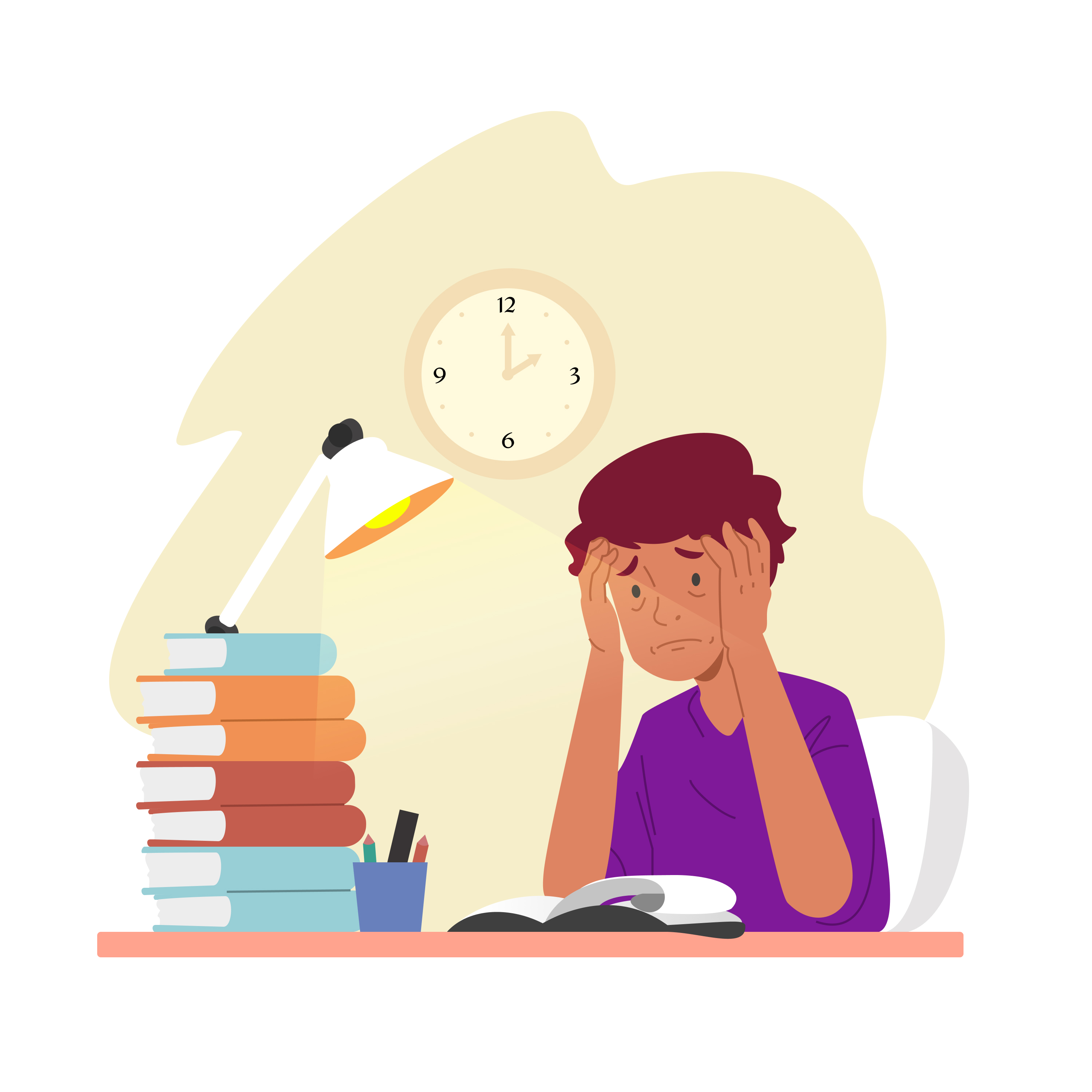
Performance anxiety in school is becoming a serious concern for students across the world. Many children and teenagers feel intense pressure to perform well in exams, presentations, competitions, and classroom activities. This pressure can create fear, self doubt, and constant stress. When students worry too much about grades or expectations, it can affect their learning, confidence, and mental health.
Research shows that academic pressure is one of the biggest sources of stress among school students. Studies published in the Journal of Educational Psychology show that high expectations from parents, teachers, and society can increase anxiety levels in children and adolescents. Understanding performance anxiety is important because early awareness can help students manage stress and build healthy coping skills.
What is Performance Anxiety in School
Performance anxiety in school refers to intense nervousness or fear that students experience when they are expected to perform academically. This may include giving presentations, writing exams, answering questions in class, participating in competitions, or meeting academic expectations.
This type of anxiety is also called academic performance anxiety or test anxiety. It happens when a student worries excessively about making mistakes, disappointing others, or not meeting expectations.
The brain reacts to this fear as if it is facing danger. The amygdala, a part of the brain responsible for detecting threats, activates the fight or flight response. As a result, the body releases stress hormones like cortisol and adrenaline. This leads to physical symptoms such as sweating, racing heart, and difficulty concentrating.
When this anxiety becomes frequent, it can interfere with a student’s ability to focus, learn, and perform well in school.
Common Causes of Academic Performance Anxiety in Students
There are several factors that can trigger performance anxiety in school. Often, it is not caused by one single reason but by a combination of pressures.
High Expectations from Parents and Teachers
Many students feel pressure to meet academic expectations set by parents or teachers. When children believe they must always achieve high grades, they may develop fear of failure. This fear can increase anxiety before exams or presentations.
Studies in child psychology suggest that children who perceive parental expectations as extremely high are more likely to experience academic stress.
Fear of Failure and Perfectionism
Some students develop perfectionist tendencies. They believe that anything less than perfect is unacceptable. This mindset creates constant pressure to perform flawlessly.
Perfectionism is strongly linked to anxiety disorders. Research from the American Psychological Association shows that perfectionistic students are more likely to experience academic stress, burnout, and low self confidence.
Competitive School Environment
Many schools have highly competitive environments where students constantly compare grades, achievements, and ranks. Social comparison can increase anxiety and make students feel inadequate.
When students measure their worth based on academic performance alone, they may start associating their self esteem with grades.
Negative Past Experiences
A student who previously struggled in exams, presentations, or public speaking may develop fear of repeating the same experience. The brain remembers stressful situations and tries to avoid them in the future.
For example, if a student was once embarrassed in class while answering a question, they may develop anxiety about speaking again.
Social Pressure and Peer Comparison
Social media and peer comparison can also contribute to academic stress. Students often see others sharing achievements, awards, or high scores. This can create unrealistic expectations and feelings of inadequacy.
Symptoms of Performance Anxiety in School Students
Performance anxiety affects students in different ways. The symptoms can be emotional, physical, or behavioral.
Emotional Symptoms
Students may feel excessive worry, fear, or nervousness before exams or class participation. They might constantly think about failure or disappointing others.
Some students also experience irritability, low confidence, or feelings of helplessness.
Physical Symptoms
Anxiety activates the body’s stress response. This can cause physical reactions such as rapid heartbeat, sweating, stomach pain, headaches, or nausea.
Many students report feeling blank or unable to recall information during exams because anxiety interferes with memory retrieval.
Behavioral Symptoms
Students with performance anxiety may start avoiding situations that trigger stress. They may skip school on exam days, avoid raising their hand in class, or delay studying because they feel overwhelmed.
Procrastination is also a common behavioral sign of academic anxiety.
How Performance Anxiety Affects Learning and Academic Performance
Ironically, the fear of poor performance can actually reduce a student’s ability to perform well.
Anxiety affects the prefrontal cortex, the part of the brain responsible for decision making, concentration, and memory. When stress levels increase, cognitive functions become less efficient.
Research in cognitive psychology shows that high anxiety reduces working memory capacity. Working memory is essential for solving problems, understanding concepts, and recalling information during exams.
Students experiencing intense anxiety may know the material but struggle to access it during tests.
Long term academic stress can also affect motivation and enjoyment of learning. Students may start associating education with pressure instead of curiosity.
The Science Behind Test Anxiety
Test anxiety is one of the most common forms of performance anxiety in school. According to educational research, around 20 to 40 percent of students experience significant levels of exam related anxiety.
From a neuroscience perspective, anxiety triggers the body’s stress response system. Cortisol levels increase, which affects attention and memory processing.
The hippocampus, which plays a key role in memory formation and recall, becomes less efficient under high stress. This explains why students sometimes feel that their mind goes blank during exams.
Moderate levels of stress can improve performance because they increase alertness. However, excessive anxiety can interfere with cognitive functioning.
Practical Strategies to Help Students Manage Performance Anxiety
Managing academic anxiety requires both emotional support and practical strategies. Students can learn techniques that help regulate stress and improve confidence.
Build Healthy Study Habits
Good preparation reduces uncertainty and builds confidence. Students who follow consistent study schedules tend to feel more in control of their learning.
Breaking study material into smaller sections makes learning less overwhelming. Regular revision also strengthens memory retention.
Practice Relaxation Techniques
Relaxation techniques can help calm the nervous system before exams or presentations.
Deep breathing exercises slow down the stress response. Mindfulness practices help students focus on the present moment instead of worrying about outcomes.
Scientific studies show that mindfulness training can significantly reduce academic stress in students.
Encourage a Growth Mindset
Students who believe intelligence can improve through effort are less likely to fear failure. This concept is known as a growth mindset, a theory developed by psychologist Carol Dweck.
When students view mistakes as learning opportunities rather than failures, they develop resilience and confidence.
Teachers and parents can reinforce this mindset by focusing on effort, improvement, and progress rather than only grades.
Reduce Unrealistic Expectations
Healthy encouragement is helpful, but unrealistic expectations can create pressure. Students need reassurance that their value is not defined only by academic performance.
Open conversations between parents, teachers, and students can reduce fear and create a supportive learning environment.
Practice Mock Tests and Presentations
Exposure to stressful situations in a controlled way can reduce anxiety over time.
Practicing mock exams helps students become familiar with exam conditions. Similarly, practicing presentations in front of small groups can build confidence in public speaking.
Repeated exposure helps the brain realize that the situation is not dangerous.
The Role of Parents and Teachers in Reducing Academic Stress
Supportive adults play an important role in helping students manage performance anxiety.
Parents can create a balanced environment where effort and learning are valued more than grades alone. Encouraging hobbies, physical activity, and relaxation can help students maintain emotional balance.
Teachers can reduce anxiety by creating safe classroom environments where students feel comfortable asking questions and making mistakes.
Constructive feedback, encouragement, and flexible teaching approaches can help students build confidence in their abilities.
When Performance Anxiety Becomes a Mental Health Concern
Occasional nervousness before exams is normal. However, persistent and intense anxiety may require professional support.
If anxiety leads to frequent panic attacks, sleep disturbances, school avoidance, or severe emotional distress, consulting a psychologist or counselor can be helpful.
Early intervention can prevent anxiety from developing into long term mental health problems.
School counselors, child psychologists, and mental health professionals can provide therapy, coping strategies, and emotional support.
Building Confident and Emotionally Resilient Students
Performance anxiety in school is a common experience, but it does not have to control a student’s life. With the right support, students can learn to manage stress, build confidence, and enjoy learning.
Education should encourage curiosity, creativity, and growth. When students understand that mistakes are part of learning, they become more resilient and motivated.
Helping students develop emotional skills alongside academic knowledge can create healthier and more confident learners.
FAQs
What is performance anxiety in school
Performance anxiety in school refers to intense nervousness or fear that students feel when they are expected to perform academically, such as during exams, presentations, or classroom participation.
What causes performance anxiety in students
Common causes include high academic expectations, fear of failure, perfectionism, competitive school environments, negative past experiences, and peer comparison.
How does performance anxiety affect students
Performance anxiety can reduce concentration, interfere with memory recall, cause physical symptoms like headaches or stomach pain, and lower academic performance.
Is test anxiety common among students
Yes, research suggests that around 20 to 40 percent of students experience moderate to high levels of test anxiety during exams.
How can students reduce academic performance anxiety
Students can manage anxiety by building good study habits, practicing relaxation techniques, developing a growth mindset, preparing through mock tests, and seeking support from parents, teachers, or counselors.





Leave a Reply