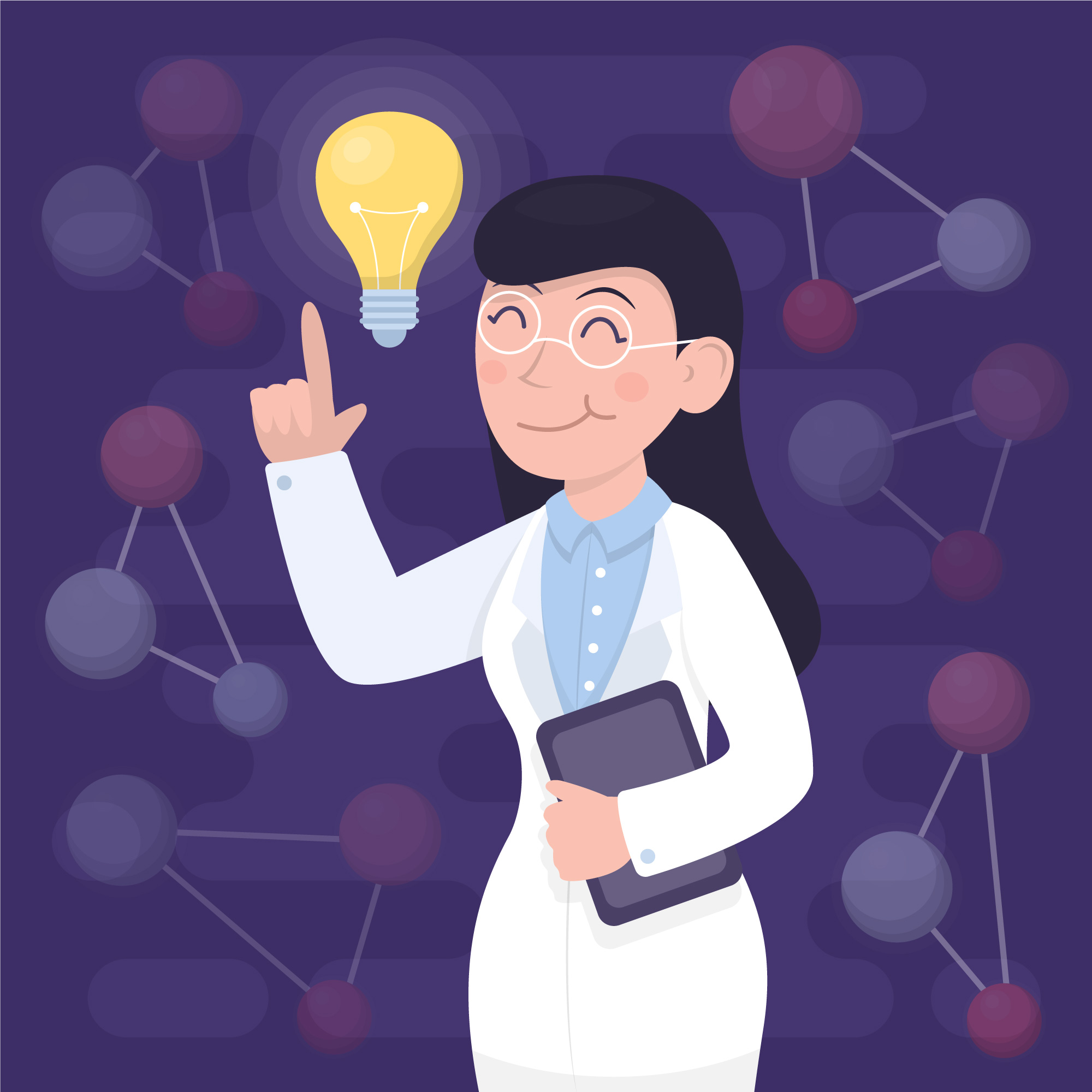
Creativity is often seen as a mysterious gift that only artists, writers, or musicians possess. But psychology research shows that creativity is actually a complex mental process that involves imagination, problem solving, emotional awareness, and flexible thinking. Scientists who study creativity have found that creative people often share certain psychological traits and brain patterns that help them generate new ideas.
Studies in cognitive psychology and neuroscience show that creativity is linked with curiosity, openness to experiences, deep thinking, and the ability to connect unrelated ideas. Creative people also process emotions and information differently compared to others. Understanding these patterns can help anyone develop a more creative mindset.
Below are 50 psychology facts about creative people based on scientific studies, behavioral research, and cognitive psychology.
50 Psychology Facts About Creative People
- Creative people tend to have higher levels of curiosity and constantly ask questions about how things work.
- Research shows that creative individuals often have a strong ability to connect unrelated ideas and turn them into new concepts.
- The brain of a creative person frequently switches between focused thinking and daydreaming.
- Creative people often enjoy solitude because quiet environments help them generate ideas.
- Studies show that creative thinking increases when the brain is relaxed rather than stressed.
- Many creative individuals have a habit of observing small details that others usually ignore.
- Creative people are more likely to challenge traditional rules and think differently from the crowd.
- Research suggests that people with high creativity often show strong imagination during childhood.
- Creative individuals are comfortable exploring unusual ideas without worrying about being judged.
- Psychologists have found that creativity is strongly linked with openness to experience, one of the five major personality traits.
- Creative people often keep multiple ideas in mind at the same time while solving problems.
- Studies show that brainstorming works better for creative people when they write ideas privately before sharing them.
- Creative individuals often enjoy experimenting and trying new approaches rather than repeating old methods.
- Many creative thinkers are highly sensitive to their surroundings and emotions.
- Research indicates that people who read widely tend to develop stronger creative thinking skills.
- Creative people are more likely to question assumptions instead of accepting information blindly.
- The brain regions involved in creativity include the prefrontal cortex and the default mode network.
- Creative individuals often combine logic and imagination while developing new ideas.
- Many creative thinkers experience sudden moments of insight known as the “aha moment.”
- Creative people tend to think in possibilities rather than limitations.
- Studies show that creative individuals are often comfortable with uncertainty and ambiguity.
- Creative thinking improves when people expose themselves to new environments and cultures.
- Many creative people have strong visualization skills and can imagine ideas vividly.
- Creative individuals often reflect deeply on experiences and emotions.
- Research shows that creative thinking is linked with higher levels of cognitive flexibility.
- Creative people are more likely to enjoy activities like drawing, writing, storytelling, or designing.
- Studies suggest that curiosity plays a major role in developing innovative ideas.
- Creative individuals often prefer meaningful work rather than repetitive tasks.
- Many creative people keep notebooks or digital notes to capture ideas quickly.
- Creative thinkers frequently observe patterns that others fail to notice.
- Research shows that creative people tend to enjoy intellectual challenges.
- Creative individuals often have a playful approach to thinking and problem solving.
- Studies suggest that creativity increases when people allow their mind to wander.
- Creative people often explore ideas deeply before sharing them with others.
- Many creative thinkers are comfortable working on multiple projects at once.
- Creative individuals tend to be highly motivated by passion rather than external rewards.
- Research indicates that creative thinking improves when people take breaks during problem solving.
- Creative people often learn from failures and treat mistakes as opportunities.
- Many creative individuals are skilled at storytelling and expressing ideas through narratives.
- Creative thinkers tend to enjoy complex problems that require innovative solutions.
- Studies show that creative people often ask “what if” questions while thinking.
- Creative individuals usually enjoy exploring new perspectives and viewpoints.
- Research suggests that creativity increases when people collaborate with others who think differently.
- Creative people often use metaphors and analogies while explaining ideas.
- Many creative thinkers spend time reflecting on past experiences to generate insights.
- Creative individuals often experience intense focus when working on something meaningful.
- Studies show that creativity is strengthened when people engage in diverse learning activities.
- Creative people are more likely to pursue hobbies that stimulate imagination.
- Research indicates that creative thinking improves when people expose themselves to art, music, and literature.
- Creative individuals often see problems as opportunities for innovation rather than obstacles.
Psychological Traits Commonly Found in Creative People
Psychology research suggests that creativity is not limited to a specific profession or talent. Instead, it is connected with certain thinking patterns and personality traits. One of the strongest traits associated with creativity is openness to experience. People who enjoy exploring new ideas, cultures, and perspectives are more likely to develop creative thinking skills.
Another common trait is curiosity. Creative people constantly search for new knowledge and ask questions about everyday situations. This curiosity encourages the brain to form new connections between ideas. Scientists also believe that curiosity activates the brain’s reward system, making learning and discovery more enjoyable.
Creative individuals also show high levels of cognitive flexibility. This means they can shift their thinking and approach problems from different angles. Instead of focusing on one solution, they explore multiple possibilities.
How the Brain Supports Creative Thinking
Neuroscience research shows that creativity involves several brain networks working together. One important network is the default mode network, which becomes active when the mind is relaxed or daydreaming. This network helps generate new ideas by allowing the brain to connect distant concepts.
Another important area is the prefrontal cortex, which is responsible for decision making and complex thinking. When creative individuals evaluate ideas, this region helps refine and organize them into useful solutions.
Scientists have found that creativity increases when the brain moves between imagination and logical thinking. This balance allows people to generate ideas and then evaluate them effectively.
Habits That Help Creative People Generate Ideas
Many creative individuals develop habits that support their thinking process. One common habit is capturing ideas immediately. Creative thinkers often keep notebooks or digital notes because ideas can appear suddenly and disappear just as quickly.
Another helpful habit is exposure to diverse information. Reading books, exploring art, listening to music, or learning new skills can stimulate the brain and trigger creative insights. These experiences introduce new patterns that the brain can combine in unexpected ways.
Taking breaks also improves creativity. Research shows that stepping away from a problem allows the subconscious mind to continue processing ideas in the background. This is why people often experience insights while walking, relaxing, or doing simple tasks.
Why Creativity Matters in Everyday Life
Creativity is not only useful for artists or designers. It plays an important role in everyday decision making, problem solving, and innovation. Creative thinking helps people adapt to new situations and find better solutions to challenges.
Businesses, scientists, educators, and entrepreneurs rely on creative thinking to develop new ideas and technologies. Schools and workplaces increasingly encourage creativity because it improves critical thinking and adaptability.
Psychologists believe that creativity also contributes to personal fulfillment. When people express ideas, build something new, or solve problems in original ways, they often experience a sense of satisfaction and motivation.
Understanding the psychology behind creativity can help individuals nurture their imagination and develop new ways of thinking.
Frequently Asked Questions
What are the main personality traits of creative people
Creative people often show curiosity, openness to new experiences, imagination, and the ability to think flexibly. They are comfortable exploring unusual ideas and questioning traditional assumptions.
Are creative people born or developed
Research suggests creativity is influenced by both natural tendencies and environmental factors. While some people may show early creative abilities, learning, practice, and exposure to new ideas can strengthen creativity.
Why do creative people enjoy solitude
Quiet environments reduce distractions and allow the brain to focus deeply on ideas. Solitude also encourages reflection and imagination.
Does daydreaming increase creativity
Studies show that mind wandering activates brain networks involved in idea generation. This process can help people connect unrelated concepts and produce creative insights.
Can anyone become more creative
Creativity can be improved by developing curiosity, learning new skills, exploring different perspectives, and practicing creative activities such as writing, drawing, or brainstorming.




Leave a Reply