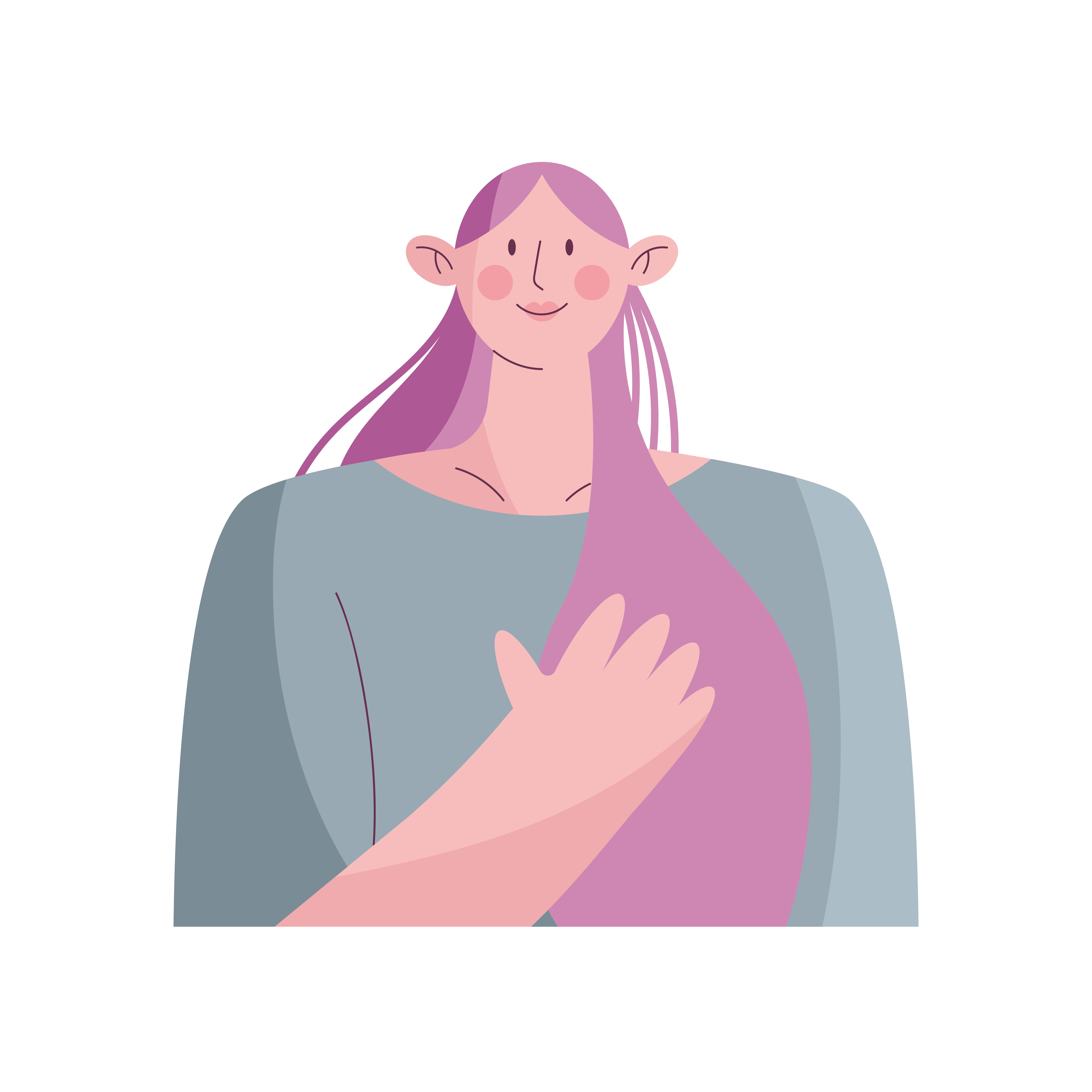
Body language is one of the most powerful forms of communication. Before we even speak, our posture, gestures, and facial expressions start sending signals. Understanding body language psychology helps you read people better, improve relationships, and even build confidence. These facts are based on behavioral science, psychology studies, and real-life human interactions.
Why Body Language Matters in Communication
Nonverbal communication makes up a large part of how we express ourselves. Studies in psychology suggest that a significant portion of communication is nonverbal, including facial expressions, gestures, posture, and tone of voice. This means people often judge intentions and emotions without words.
When you understand body language cues, you can detect honesty, confidence, attraction, nervousness, and even hidden emotions. It helps in personal life, workplace communication, interviews, and social interactions.
50 Psychology Facts About Body Language
- Crossing arms can signal defensiveness, but sometimes it simply means the person feels cold or comfortable.
- People who maintain eye contact are often perceived as more confident and trustworthy.
- Avoiding eye contact can indicate nervousness, guilt, or lack of confidence.
- A genuine smile involves both the mouth and the eyes, also known as a Duchenne smile.
- Touching the face frequently may indicate stress or anxiety.
- Leaning forward during a conversation shows interest and engagement.
- Leaning backward can signal disinterest or discomfort.
- Mirroring someone’s body language often means you like or feel connected to them.
- Fast blinking can be a sign of stress or discomfort.
- Slow blinking may indicate calmness or attraction.
- People tend to point their feet toward the person they are interested in.
- Nodding while listening shows agreement or active listening.
- Tilting the head slightly can signal curiosity or attentiveness.
- A firm handshake is often associated with confidence.
- Weak handshakes may give an impression of insecurity.
- Standing with open posture reflects confidence and openness.
- Slouching can indicate low energy, boredom, or lack of confidence.
- Raised eyebrows can signal surprise or interest.
- Tight lips may indicate tension or disagreement.
- Covering the mouth while speaking can suggest dishonesty or hesitation.
- People who feel dominant take up more physical space.
- Shrinking posture can indicate submission or insecurity.
- Frequent checking of time or phone shows impatience or disinterest.
- Genuine laughter involves the whole body, not just facial expressions.
- Sweaty palms can be a sign of nervousness.
- Playing with hair can indicate attraction or anxiety.
- Rapid movements often signal nervousness.
- Slow and controlled movements show confidence.
- Direct body orientation shows interest in the conversation.
- Turning the body away signals disengagement.
- Eye pupils can dilate when someone is interested or attracted.
- Clenched fists may indicate anger or frustration.
- Open palms suggest honesty and transparency.
- Pointing fingers can come across as aggressive.
- People tend to touch their neck when feeling stressed.
- Smiling too much can sometimes hide nervousness.
- Silence combined with strong eye contact can feel powerful or intimidating.
- People often mimic gestures subconsciously when they feel comfortable.
- Raised shoulders can indicate tension or fear.
- Relaxed shoulders show calmness and confidence.
- Looking sideways frequently may indicate distraction or insecurity.
- Quick nodding can signal eagerness or anxiety to agree.
- Slow nodding shows thoughtful agreement.
- Pressed lips can indicate withholding information.
- People who are lying may show inconsistent body language signals.
- Increased physical distance can signal discomfort or lack of trust.
- Reduced distance often indicates comfort or attraction.
- Hands in pockets can suggest casual attitude or insecurity depending on context.
- A stiff posture may indicate nervousness or lack of comfort.
- Natural, relaxed body language is often seen as the most trustworthy.
The Science Behind Body Language and Nonverbal Communication
Psychologists and behavioral researchers have studied body language for decades. Nonverbal cues are controlled by the subconscious mind, which makes them harder to fake. This is why body language often reveals true emotions even when words do not.
The brain constantly reads micro-expressions and subtle movements. These signals help humans assess safety, trust, and emotional intent quickly. This ability comes from evolution, where reading nonverbal cues was essential for survival.
Mirror neurons in the brain also play a role. They cause us to automatically mimic others, which helps build connection and empathy. This is why mirroring body language can create a sense of trust.
How to Read Body Language Accurately
Reading body language is not about judging a single gesture. It is about observing patterns and context. One signal alone can be misleading, but multiple signals together give a clearer picture.
Pay attention to clusters of behavior. For example, if someone avoids eye contact, crosses arms, and leans away, it may indicate discomfort. But if they are smiling and engaged, crossed arms may just be a habit.
Also consider the situation. Cultural differences, personality traits, and environment can influence body language. What feels normal in one setting may not mean the same in another.
How to Improve Your Own Body Language
Improving body language can make a big difference in how others perceive you. Start with posture. Stand or sit straight with relaxed shoulders. This instantly makes you appear more confident.
Maintain comfortable eye contact during conversations. Avoid staring, but do not look away too frequently. Keep your hands visible and use natural gestures while speaking.
Smile genuinely when appropriate. A real smile can make you more approachable and likable. Also, avoid closed body language like crossed arms when trying to connect with someone.
Practice slow and controlled movements. This gives an impression of calmness and confidence. Over time, these habits become natural and improve your overall communication.
Body Language in Relationships and Daily Life
Body language plays a key role in relationships. It helps you understand emotions without words. You can sense when someone is upset, happy, interested, or distant.
In professional settings, body language can influence interviews, presentations, and teamwork. Confident posture and eye contact can make a strong impression.
In daily life, being aware of nonverbal cues helps you respond better to people. It improves empathy and reduces misunderstandings.
FAQs About Body Language Psychology
What is body language in psychology?
It refers to nonverbal signals like gestures, posture, facial expressions, and eye movements that communicate emotions and intentions.
Can body language reveal lies?
It can give clues, but it is not always accurate. People show mixed signals, so it is important to look at multiple signs together.
Why is eye contact important in communication?
It builds trust, shows confidence, and helps create a connection during conversations.
Can body language be controlled?
Yes, with awareness and practice, you can improve posture, gestures, and expressions to communicate more effectively.
Is body language the same across all cultures?
No, different cultures interpret gestures and expressions differently, so context matters.
Understanding body language psychology helps you become more aware of yourself and others. It is a skill that improves communication, builds confidence, and strengthens relationships over time.




Leave a Reply