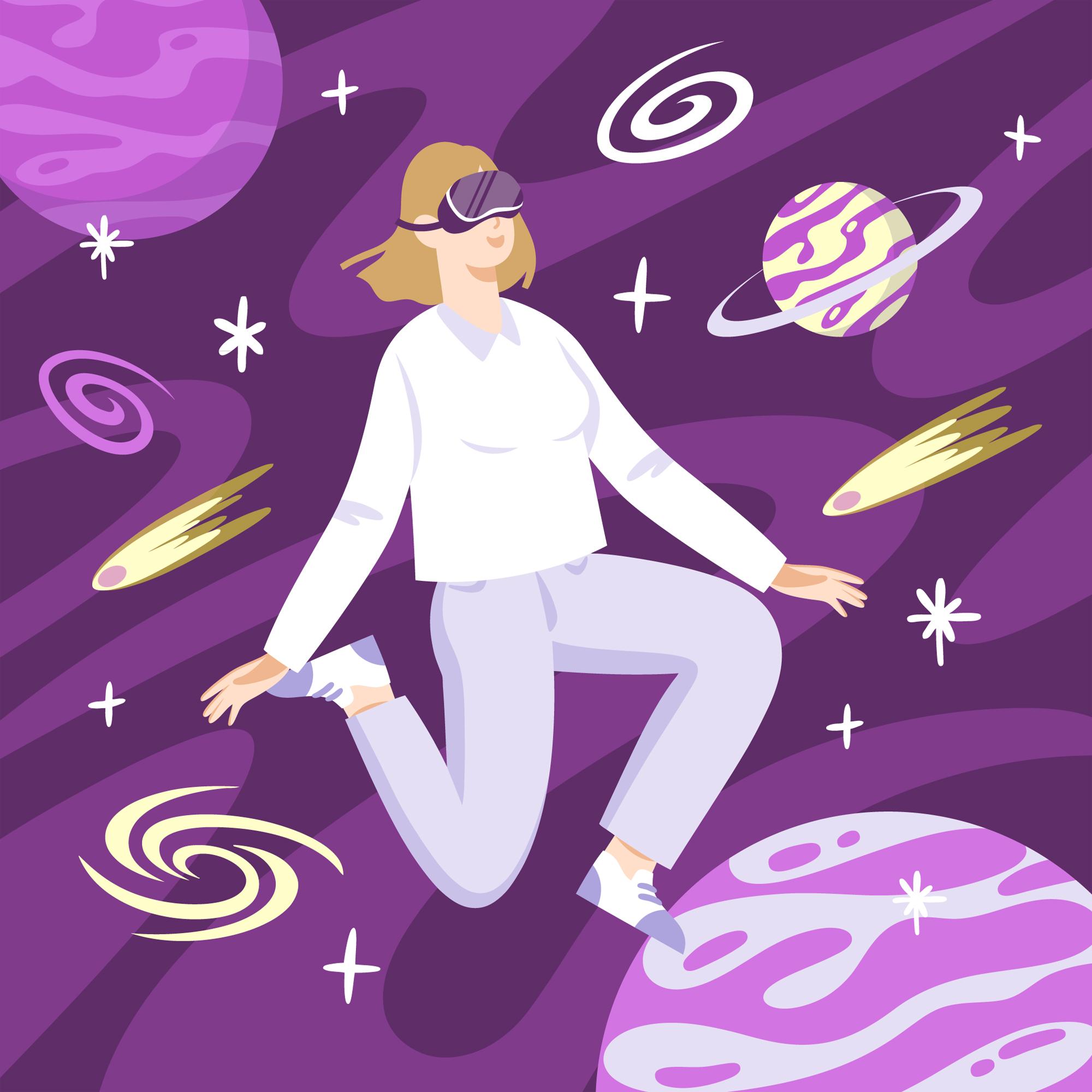
Imagination is not just about daydreaming or creativity. It is a powerful mental process that shapes how you think, solve problems, and even experience reality. From improving memory to helping you cope with stress, imagination plays a deep role in human psychology. In this blog, you will explore 50 psychology facts about imagination that are backed by research and explained in a simple and engaging way.
What Is Imagination in Psychology and Why It Matters
Imagination is the ability to form mental images, ideas, and sensations without direct input from the senses. It helps you visualize situations, predict outcomes, and create new ideas. Psychologists believe imagination is closely linked with memory, emotions, and decision making. It is not just creativity, it is a core function of the brain that supports everyday thinking.
When you imagine something, your brain often reacts as if it is real. This is why imagination can influence your mood, behavior, and even physical responses.
50 Psychology Facts About Imagination
- Imagination activates many of the same brain areas as real experiences.
- Visualizing an action can improve your performance in real life.
- Your brain cannot always clearly distinguish between imagination and reality.
- Daydreaming is linked to higher creativity and problem solving skills.
- Imagination helps in planning future events and decisions.
- People with strong imagination often have better emotional intelligence.
- Mental imagery can improve memory recall.
- Imagination plays a key role in empathy by helping you understand others.
- Children use imagination to learn social roles and behaviors.
- Creative imagination is linked with flexible thinking patterns.
- Overactive imagination can sometimes lead to anxiety.
- Guided imagery is used in therapy to reduce stress and pain.
- Imagination helps in building confidence by rehearsing success.
- Athletes use visualization techniques to enhance performance.
- Imagination can trigger real emotional reactions like fear or happiness.
- Reading fiction strengthens imaginative thinking.
- The default mode network in the brain is active during imagination.
- Imagination helps you escape stressful situations mentally.
- People who imagine positive outcomes are often more motivated.
- Imagination improves storytelling and communication skills.
- Dreams are a form of imagination during sleep.
- Imagination helps in innovation and new idea generation.
- Visual thinking supports better understanding of complex topics.
- Imagination can influence your perception of reality.
- Mind wandering is a natural form of imagination.
- Creative people tend to have more vivid mental imagery.
- Imagination supports goal setting and future planning.
- Negative imagination can increase stress levels.
- Imagination helps in coping with trauma through mental processing.
- Artists and writers rely heavily on imaginative thinking.
- Imagination can improve learning by making concepts more relatable.
- Visualization techniques are used in meditation practices.
- Imagination helps in problem solving by exploring possibilities.
- People often imagine worst case scenarios as a survival mechanism.
- Imagination is connected with curiosity and exploration.
- Strong imagination can make experiences feel more intense.
- Imagination allows you to mentally simulate different outcomes.
- It plays a role in forming personal identity and self image.
- Imagination can be trained and improved with practice.
- Creative imagination is linked to higher brain connectivity.
- Imagination can influence decision making processes.
- Visualizing goals increases the chances of achieving them.
- Imagination helps in language development and expression.
- It allows you to think beyond present limitations.
- Imagination can make memories feel more vivid over time.
- People use imagination to predict social interactions.
- It helps in developing innovative solutions in business and work.
- Imagination is essential for scientific discoveries and theories.
- It allows you to experience things you have never seen.
- Imagination shapes how you perceive yourself and the world.
How Imagination Affects Your Brain and Thinking
Imagination directly affects how your brain processes information. When you imagine something, neurons fire in patterns similar to actual experiences. This strengthens neural pathways and makes your brain more adaptable. It also improves cognitive flexibility, which means you can think in multiple ways and find better solutions.
Imagination also supports memory by connecting ideas with visual or emotional elements. This makes it easier to recall information later. That is why techniques like visualization are widely used in learning and education.
The Connection Between Imagination and Mental Health
Imagination can have both positive and negative effects on mental health. Positive imagination helps reduce stress, build confidence, and improve emotional well being. For example, imagining a peaceful place can calm your mind during anxiety.
On the other hand, negative imagination can lead to overthinking and fear. When you constantly imagine worst case scenarios, your brain reacts with stress responses. Learning to control your imagination is important for maintaining mental balance.
Imagination and Creativity: How Ideas Are Born
Creativity is deeply connected with imagination. Every new idea starts as a mental image or concept. Imagination allows you to combine existing knowledge in new ways, leading to innovation.
People who regularly engage in creative activities like writing, drawing, or brainstorming tend to strengthen their imagination. This not only boosts creativity but also improves problem solving abilities in daily life and work environments.
How to Improve Your Imagination Power
Improving imagination is possible with simple habits. Reading books, especially fiction, helps you create mental images. Visualization exercises where you imagine goals or scenarios can strengthen your imaginative ability.
Meditation and mindfulness also improve imagination by increasing focus and awareness. Spending time in creative activities like art, storytelling, or even journaling can enhance your ability to think beyond limits.
Why Imagination Is Important in Daily Life
Imagination is not limited to artists or creative people. It is useful in everyday decisions, relationships, and career growth. It helps you plan, predict outcomes, and adapt to new situations.
From preparing for a meeting to imagining future goals, imagination guides your actions. It also makes life more interesting by allowing you to explore ideas and possibilities beyond reality.
FAQs
What is imagination in psychology
It is the ability of the mind to create images, ideas, and sensations without direct sensory input. It plays a key role in thinking, memory, and creativity.
Can imagination affect real life behavior
Yes, imagining actions or outcomes can influence your decisions, emotions, and performance in real situations.
Is imagination good for mental health
It can be very beneficial when used positively, but negative imagination can increase stress and anxiety.
How can I improve my imagination
Reading, visualization exercises, creative activities, and mindfulness practices can help strengthen imagination.
Why do humans need imagination
It helps in problem solving, planning, creativity, emotional understanding, and adapting to new situations.
Imagination is not just a creative tool, it is a powerful psychological ability that shapes how you think, feel, and experience the world. Understanding how it works can help you use it in a positive and productive way.




Leave a Reply