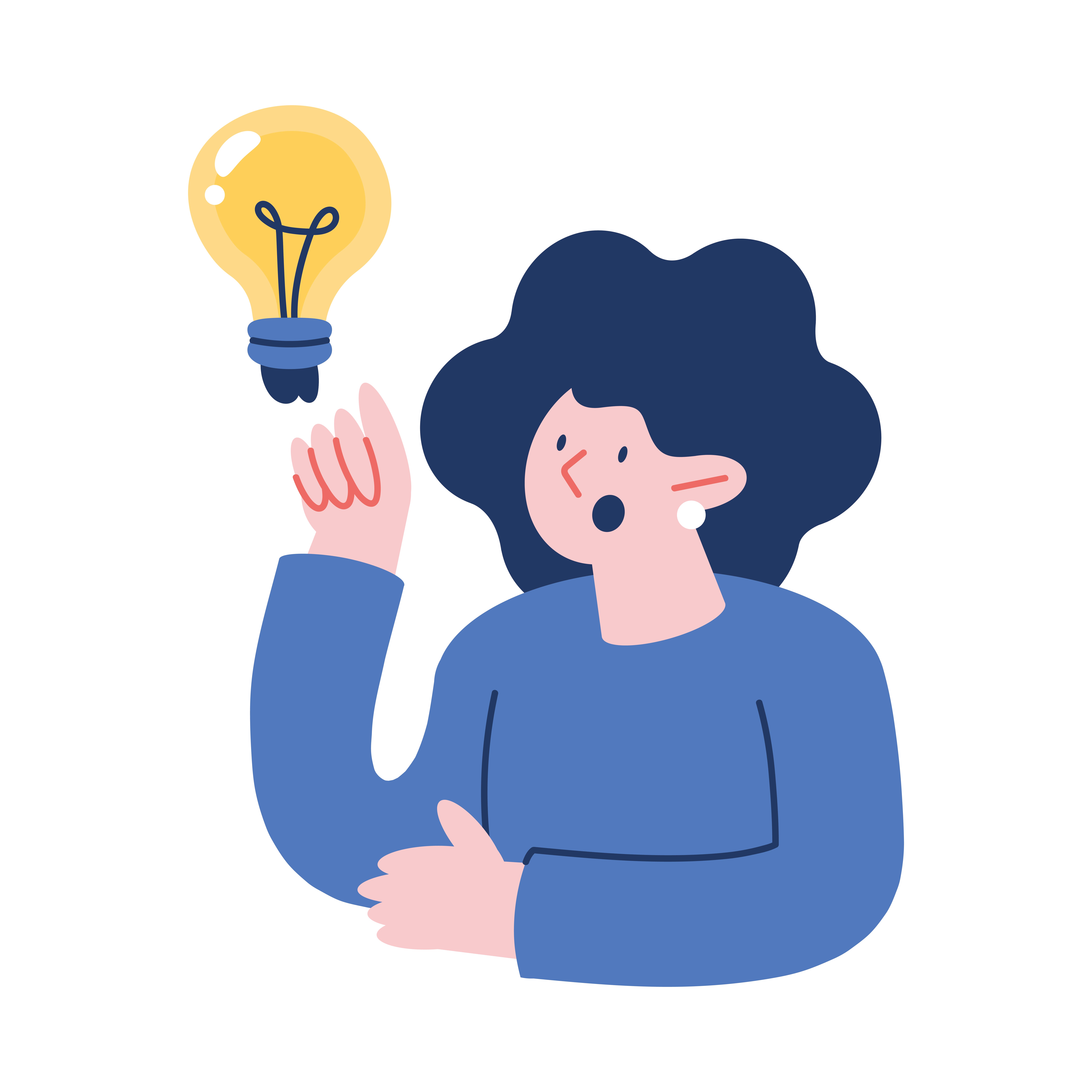
Understanding how the human mind works is one of the most searched topics in psychology. People often wonder why they think in certain ways, why overthinking happens, and how thoughts affect emotions and decisions. These psychology facts about thinking are based on cognitive science and behavioral research. They will help you understand your mind better and improve your thinking patterns in daily life.
How Thinking Shapes Your Reality and Daily Life
Your thoughts are not just random ideas. They actively shape how you see the world, how you react to situations, and how you feel. Cognitive psychology explains that the brain filters information based on past experiences, beliefs, and emotions. This is why two people can experience the same situation but think about it completely differently.
- Your brain processes around 60,000 thoughts every day, and many of them are repetitive. This repetition creates thinking patterns that become habits over time.
- Negative thoughts are stronger than positive ones because of a concept called negativity bias. Your brain is naturally wired to focus more on threats and problems for survival.
- Overthinking activates the same stress response as real danger, which is why you may feel physically tired even without doing anything.
- Your thoughts influence your body. Stressful thinking can increase heart rate and cortisol levels, while positive thinking can calm your nervous system.
- The brain often fills gaps in information, which is why assumptions feel like facts even when they are not.
Why Overthinking Happens and How It Affects Mental Health
Overthinking is one of the most common mental health concerns today. It is closely linked with anxiety, stress, and decision fatigue. Understanding why it happens can help you manage it better.
- Overthinking is often the brain’s way of trying to gain control in uncertain situations.
- People who are highly self-aware are more likely to overthink because they analyze their thoughts deeply.
- Lack of sleep increases overthinking because the brain struggles to regulate emotions properly.
- Thinking about the same problem repeatedly does not always lead to solutions but increases mental exhaustion.
- Writing your thoughts down can reduce overthinking because it clears mental clutter.
Cognitive Biases That Affect Your Thinking Patterns
Cognitive biases are mental shortcuts your brain uses to make decisions quickly. While they save time, they can also lead to errors in thinking.
- Confirmation bias makes you focus only on information that supports your existing beliefs.
- The halo effect causes you to judge a person positively based on one good quality.
- Availability bias makes you think events are more common if you can easily remember them.
- Anchoring bias makes you rely too heavily on the first piece of information you receive.
- Your brain prefers familiar information, even if it is not accurate, because it feels safe.
How Thoughts Influence Emotions and Behavior
Your thoughts and emotions are deeply connected. What you think directly impacts how you feel and act.
- Thoughts create emotions, and emotions reinforce thoughts, forming a cycle that can be hard to break.
- Positive thinking can improve problem solving skills and creativity.
- Fear based thinking can limit your ability to take risks or try new things.
- Your inner self talk affects your confidence more than external opinions.
- Changing your thoughts can gradually change your behavior and habits.
The Science Behind Decision Making and Thinking Speed
Decision making is another area where thinking plays a crucial role. Your brain uses both fast and slow thinking processes.
- Fast thinking is automatic and based on intuition, while slow thinking is logical and requires effort.
- Decision fatigue happens when you make too many decisions in a day, reducing the quality of your choices.
- Your brain consumes more energy when thinking deeply, which is why complex decisions feel tiring.
- Multitasking reduces thinking efficiency because the brain switches between tasks instead of focusing.
- Taking breaks improves thinking clarity because the brain processes information in the background.
How to Improve Your Thinking Skills Naturally
Improving your thinking skills does not require complicated techniques. Small daily habits can make a big difference in how your mind functions.
Practicing mindfulness helps you become aware of your thoughts without reacting to them immediately. Reading regularly improves cognitive flexibility and expands your thinking patterns. Physical exercise increases blood flow to the brain, enhancing mental clarity. Talking to different people exposes you to new perspectives, which improves critical thinking. Limiting negative content consumption helps reduce unnecessary mental stress and overthinking.
Conclusion
Thinking is a powerful process that shapes every aspect of your life. By understanding these psychology facts about thinking, you can become more aware of your mental patterns and make better decisions. Your thoughts are not fixed, and with small changes, you can train your mind to think in a healthier and more productive way.
FAQs
What are psychology facts about thinking?
They are scientifically backed insights about how the brain processes thoughts, makes decisions, and forms patterns that influence behavior and emotions.
Why do I overthink everything?
Overthinking usually happens when the brain tries to control uncertainty or predict outcomes, often linked with anxiety and stress.
Can I control my thoughts?
You cannot stop thoughts completely, but you can learn to manage and redirect them through awareness and practice.
How can I stop negative thinking?
You can reduce negative thinking by identifying patterns, challenging them, and replacing them with more balanced thoughts.
Does thinking too much affect health?
Yes, excessive thinking can lead to stress, fatigue, sleep issues, and reduced mental clarity over time.




Leave a Reply