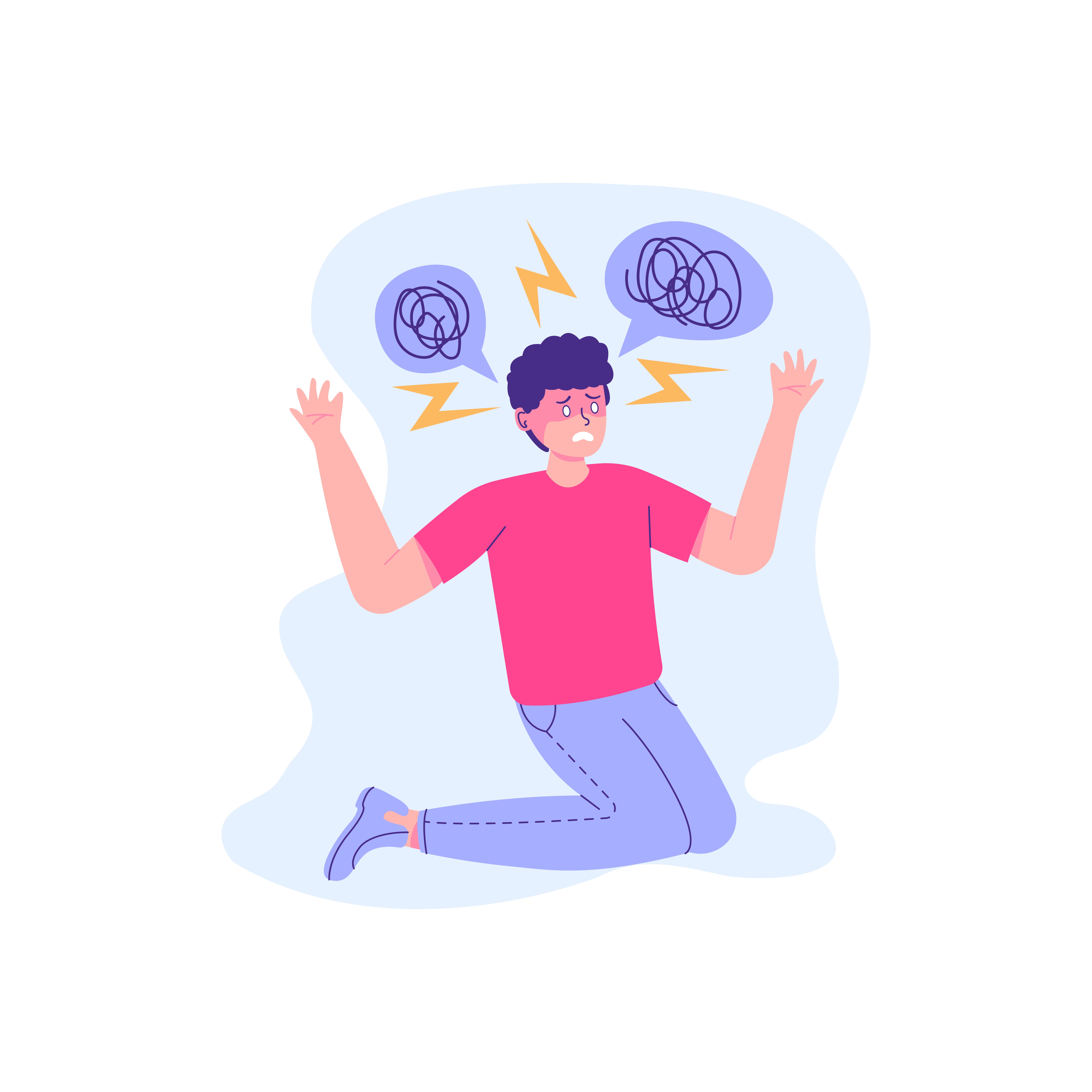
Overthinking at night is something many people struggle with. You lie in bed, your body feels tired, but your mind suddenly becomes active. Thoughts about the past, worries about the future, or random scenarios start running nonstop. This is commonly called night overthinking or bedtime anxiety, and it can affect sleep, mood, and overall mental health.
This blog explains why overthinking happens at night, what science says about it, and how you can calm your mind and sleep better.
What Is Night Overthinking and Why It Feels So Intense
Night overthinking refers to excessive thinking that happens when you are trying to relax or sleep. It includes worrying, replaying conversations, imagining worst case scenarios, or analyzing small details repeatedly.
During the day, your brain is busy with tasks, conversations, and distractions. At night, everything slows down. There are fewer distractions, which allows thoughts to become louder and more noticeable. This is why overthinking feels more intense at night even if the same thoughts existed earlier in the day.
The Psychology Behind Overthinking at Night
One of the main reasons for overthinking at night is how the brain processes emotions. The brain has a system called the default mode network. This system becomes active when you are not focused on any task. It is responsible for self reflection, thinking about the past, and imagining the future.
At night, when you lie down and stop engaging with the outside world, this network becomes more active. As a result, your mind naturally shifts into thinking mode. If you have unresolved stress or emotions, your brain tries to process them during this time.
Research in psychology shows that people who are prone to anxiety or stress are more likely to experience night overthinking because their brains are already used to scanning for problems.
Why Anxiety Gets Worse at Night
Anxiety often feels stronger at night due to a combination of biological and psychological factors. Cortisol, the stress hormone, is usually higher in the morning and decreases throughout the day. However, if you are stressed or anxious, your body may not follow this pattern properly.
In addition, darkness and silence can make thoughts feel more serious. Without external input, your brain may interpret thoughts as more important or urgent than they actually are. This leads to a cycle where thinking creates anxiety, and anxiety creates more thinking.
Studies suggest that people with generalized anxiety disorder and insomnia frequently report increased worry during nighttime hours.
The Link Between Overthinking and Sleep Problems
Overthinking and sleep problems are closely connected. When your mind is active, your body stays in a state of alertness. This prevents the release of sleep hormones like melatonin.
Your brain cannot easily switch from thinking mode to sleep mode. This is why people who overthink at night often struggle with falling asleep, staying asleep, or waking up feeling tired.
Chronic overthinking can lead to insomnia, reduced sleep quality, and daytime fatigue. Over time, this can impact concentration, mood, and productivity.
Common Causes of Overthinking at Night
There are several common triggers that lead to night overthinking. Stress from work, relationships, or finances can keep your mind active. Unresolved emotional issues also tend to surface when you are alone and quiet.
Another major cause is excessive screen time before bed. Using phones or watching videos keeps your brain stimulated and delays relaxation. Social media can also trigger comparison, self doubt, and worry.
Perfectionism is another factor. People who want everything to be perfect often replay situations in their mind, trying to find mistakes or better outcomes. This mental habit becomes stronger at night.
Lack of a proper nighttime routine also contributes to overthinking. When you suddenly try to sleep without calming your mind first, your brain does not get the signal to slow down.
What Science Says About Night Rumination
Night overthinking is closely related to rumination, which means repeatedly thinking about the same thoughts. Research published in psychological journals shows that rumination is linked to depression, anxiety, and stress.
The brain treats unresolved problems as unfinished tasks. According to the Zeigarnik effect, unfinished tasks stay active in your memory and keep coming back until they are resolved. This is why your mind reminds you of things you did not complete or decisions you have not made.
Neuroscience studies also show that the amygdala, the part of the brain responsible for emotions, becomes more reactive when you are tired. At the same time, the prefrontal cortex, which controls rational thinking, becomes less active. This imbalance makes thoughts feel more emotional and less logical at night.
Signs You Are Overthinking at Night
You might be overthinking at night if you find it hard to stop thinking even when you want to sleep. You may replay conversations again and again or imagine negative outcomes without evidence.
Other signs include difficulty falling asleep, feeling mentally exhausted, or waking up during the night with racing thoughts. You may also notice increased anxiety or restlessness before bedtime.
Recognizing these signs is important because awareness is the first step to managing overthinking.
How to Stop Overthinking at Night Naturally
One of the most effective ways to reduce night overthinking is to create a calming bedtime routine. This signals your brain that it is time to relax. Activities like reading, journaling, or listening to calming music can help shift your mind away from stress.
Writing down your thoughts before bed is especially helpful. It allows your brain to release unfinished thoughts and reduces the need to process them at night.
Practicing deep breathing or mindfulness meditation can also calm your nervous system. These techniques slow down your heart rate and reduce anxiety, making it easier to fall asleep.
Limiting screen time at least one hour before bed is important. Blue light from screens interferes with melatonin production and keeps your brain alert.
Practical Tips to Calm a Racing Mind at Night
If your mind starts racing at night, try focusing on your breathing. Slow and deep breaths can help bring your attention back to the present moment. You can also try grounding techniques like noticing physical sensations around you.
Another helpful method is cognitive distancing. Instead of engaging with every thought, observe it as just a thought, not a fact. This reduces its emotional impact.
Keeping a consistent sleep schedule also helps train your brain to relax at the same time every night. Over time, this reduces the habit of overthinking.
If overthinking continues, getting out of bed for a few minutes and doing a calming activity can reset your mind instead of forcing sleep.
Long Term Solutions for Chronic Overthinking
For long term improvement, it is important to address the root cause of overthinking. This may include managing stress, improving emotional awareness, and building healthier thought patterns.
Cognitive behavioral therapy is one of the most effective approaches for reducing overthinking and anxiety. It helps identify negative thought patterns and replace them with more balanced thinking.
Regular physical activity also plays a key role. Exercise reduces stress hormones and improves sleep quality. Studies show that even moderate exercise can significantly reduce anxiety levels.
Maintaining a healthy lifestyle with proper nutrition and hydration supports brain function and emotional balance.
When to Seek Help for Overthinking and Anxiety
If overthinking is affecting your sleep regularly or causing distress, it may be helpful to seek professional support. Persistent overthinking can be a sign of anxiety disorders or other mental health conditions.
A mental health professional can help you understand your thought patterns and provide personalized strategies to manage them. Early support can prevent the problem from becoming more serious.
Conclusion
Overthinking at night happens because your brain finally gets the space to process thoughts and emotions. While this is a natural process, excessive thinking can disrupt sleep and increase anxiety.
Understanding the science behind night overthinking helps you take control of your thoughts. With simple habits like journaling, reducing screen time, and practicing relaxation techniques, you can calm your mind and improve your sleep.
Consistency is key. Small changes in your nightly routine can make a big difference over time.
FAQs
Why do thoughts come more at night
The brain becomes more active in self reflection when there are fewer distractions, which makes thoughts feel stronger and more noticeable.
Is overthinking at night normal
It is common, but frequent overthinking that affects sleep may need attention and management.
Can overthinking cause insomnia
Yes, an active mind prevents the body from relaxing, which can make it difficult to fall or stay asleep.
How do I stop anxiety before bed
Calming activities, deep breathing, and limiting screen time can help reduce anxiety before sleep.
Does writing thoughts help reduce overthinking
Yes, writing helps clear the mind and reduces the need to process thoughts repeatedly at night.





Leave a Reply